Researchers from the Indian Institute of Science (IISc) and the Indian Space Research Organisation (ISRO) have uncovered promising clues about the ability of yeast to survive in Martian conditions. This discovery could advance our understanding of microbial survival on Mars and its implications for future space exploration.
IISc and ISRO scientists find promising evidence that yeast can survive in simulated Martian conditions, advancing astrobiology and future Mars missions.
Bengaluru, October 24, 2025 – Scientists from the Indian Institute of Science (IISc) in collaboration with the Indian Space Research Organisation (ISRO) have presented compelling evidence suggesting that certain yeast strains can endure the harsh conditions found on Mars. This breakthrough offers new insights into microbial resilience in extraterrestrial environments and opens avenues for astrobiology research and future Mars missions.
The collaborative research, conducted over the past two years, involved replicating the Martian environment in laboratory settings at IISc with technical support from ISRO’s space simulation facilities. Scientists exposed various strains of yeast to factors such as extreme cold, low atmospheric pressure, high radiation levels, and limited nutrients—parameters that closely mimic the Red Planet’s surface environment.
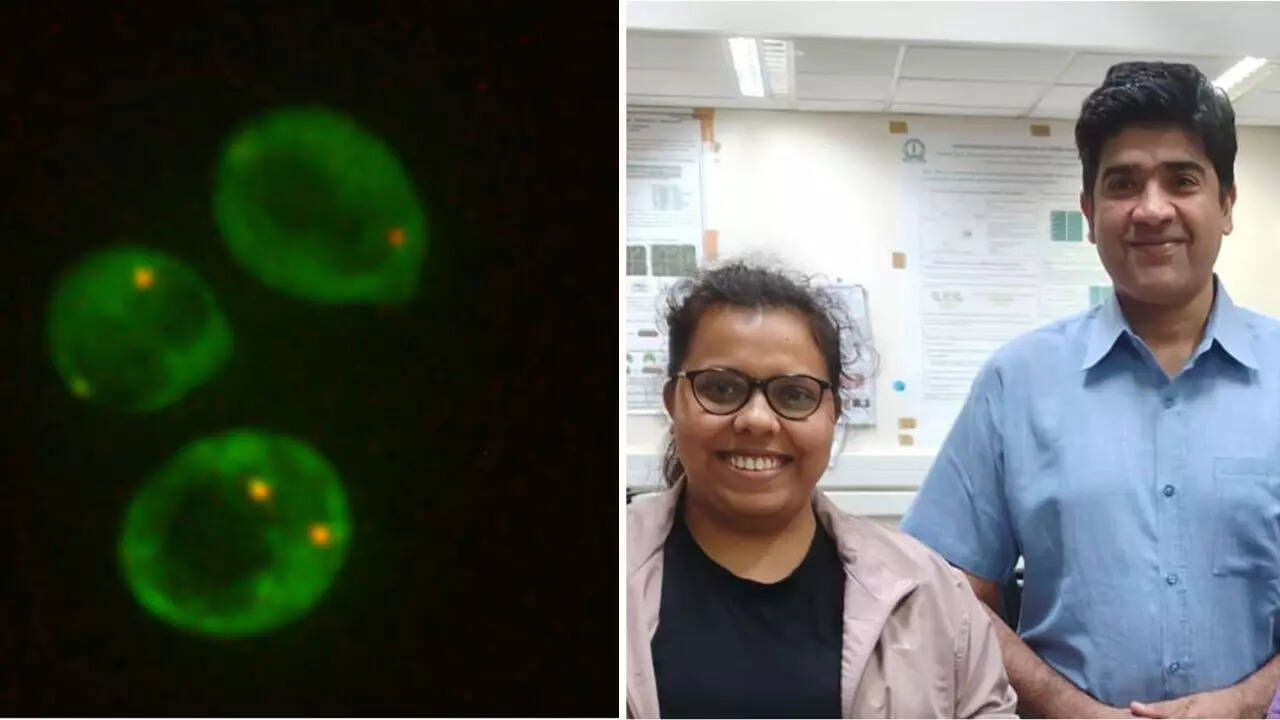
According to the research team, specific yeast species demonstrated remarkable tolerance to these conditions, showing survival rates and cellular repair mechanisms that indicate their potential to withstand Martian stresses. “Our experiments reveal that these yeast strains possess adaptive biological functions, enabling them to survive and repair themselves even under simulated Martian radiation and temperature extremes,” said Dr. Anirudh Sharma, lead microbiologist at IISc.
The study emphasized that yeast, being eukaryotic microorganisms, share fundamental cellular processes with higher organisms, making them ideal candidates for astrobiological studies. These findings not only deepen scientific understanding of life’s resilience but also hold practical implications for future human missions to Mars. Yeast could play a critical role in life support systems, biomanufacturing, and sustaining long-term human presence by contributing to oxygen production, waste recycling, and nutrition.
Dr. Meera Kulkarni, ISRO’s senior scientist involved in the project, highlighted the importance of this research in preparing for upcoming Mars exploration initiatives. “Understanding how microorganisms like yeast can survive and function on Mars is vital for designing habitats and bioregenerative life support systems for astronauts,” she remarked.
The collaboration between IISc and ISRO marks a significant step forward in India’s contribution to astrobiology and space exploration. The researchers plan to extend their experiments by sending yeast cultures aboard ISRO’s future Mars missions to test their survivability in actual space conditions. These in situ studies will help validate laboratory findings and refine strategies to utilize microbial life for sustaining human colonies on Mars.
Globally, the quest to determine the possibility of life beyond Earth has intensified, with various space agencies focusing on detecting microbial signatures and understanding biological adaptability. This Indian research complements international efforts by demonstrating the feasibility of microbial survival and potential growth on Mars-like environments.
In conclusion, the IISc and ISRO scientists’ discovery of yeast’s resilience under Martian conditions provides promising evidence supporting the potential for life in extreme extraterrestrial habitats. This advancement lays groundwork for future astrobiological experiments and practical applications in human space exploration, reinforcing the significance of interdisciplinary research in unlocking the mysteries of life beyond our planet.