The 2025 Indian Union Budget has been largely well-received, with measures aimed at economic growth and social welfare. However, one policy choice has drawn criticism for its potential negative impact on certain sectors.
The 2025 Indian Budget focuses on growth and social welfare but faces criticism over new NBFC regulations impacting SME financing.
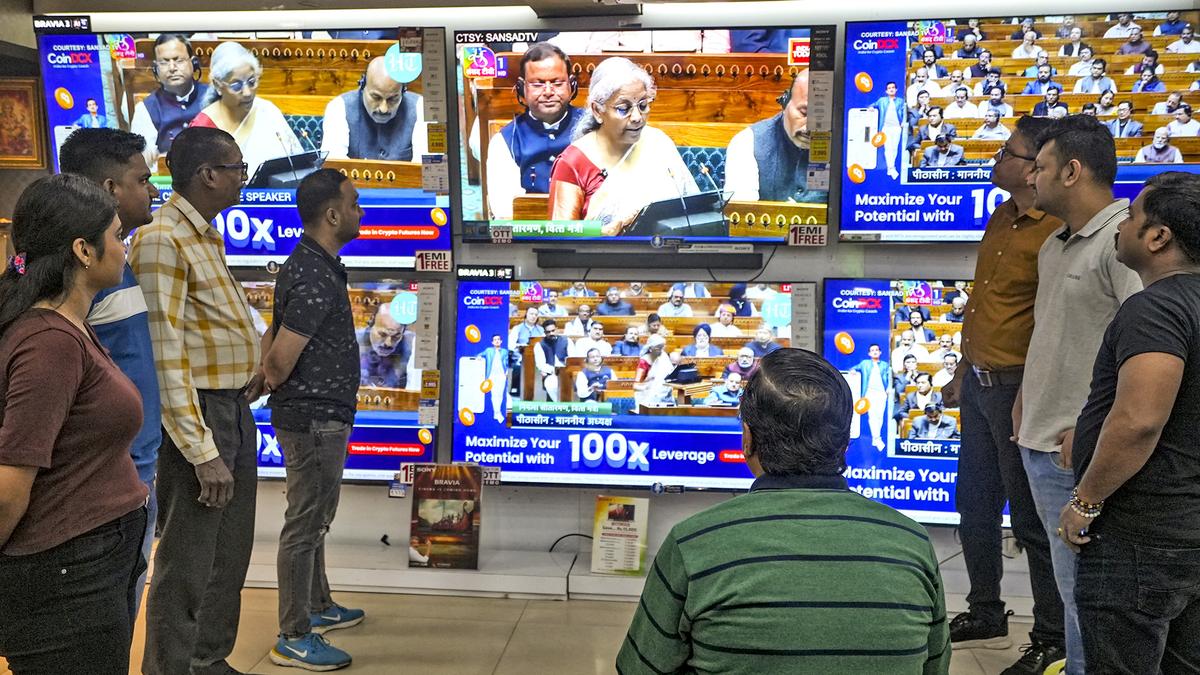
New Delhi, February 6, 2025 – The Union Budget announced on February 5, 2025, has garnered mixed reactions across economic and political spheres. While many of the allocations and reforms have been praised for focusing on inclusive growth and fiscal prudence, one particular move within the budget has sparked considerable debate.
The finance minister unveiled a budget that emphasizes infrastructure development, healthcare expansion, and education funding. Increased capital expenditure is set to boost various sectors, while tax relief for middle-income groups aims to enhance disposable income and consumer spending.
Key Highlights of the 2025 Budget
Government allocations show a continued commitment to infrastructure projects, with significant investments planned for transportation networks, digital connectivity, and urban development. The healthcare sector benefits from expanded funding directed towards rural primary care and epidemic preparedness, reflecting lessons learned from recent health challenges. Additionally, education initiatives include increased scholarships and technology integration in classrooms, intending to improve learning outcomes nationwide.
Fiscal Prudence and Economic Growth
The budget maintains a focused approach to fiscal consolidation, aiming to reduce the fiscal deficit while sustaining growth. Tax reforms incorporate measures to widen the tax base and incentivize compliance, which experts believe could improve revenue without stifling economic activity. Stimulus for the manufacturing sector through production-linked incentives is expected to further job creation and export growth.
The Controversial Policy Move
Despite the predominantly positive framework, the budget includes a contentious decision concerning non-banking financial companies (NBFCs). The government has introduced stricter regulatory norms and higher compliance costs for NBFCs, intending to mitigate systemic risks. However, critics argue that these changes may constrain credit flow to small and medium-sized enterprises (SMEs), potentially impeding recovery in vital sectors of the economy.
Industry stakeholders and economic analysts have expressed concerns that the tougher measures could reduce NBFCs’ lending capacity, affecting MSMEs that largely rely on them for financing. Some voices call for a balanced approach that addresses risks without limiting access to affordable credit.
Reactions from Experts and Policymakers
Finance ministry officials defended the decision as necessary for long-term financial stability and protection of consumer interests. ‘‘Strengthening the regulatory framework is essential to prevent any potential disruptions caused by vulnerable financial entities,’’ a ministry spokesperson stated.
Conversely, representatives from industry bodies have urged the government to review the norms to ensure that credit availability is not compromised. ‘‘NBFCs play a critical role in bridging the financing gap for smaller businesses, and any adverse impact on their operations could slow economic growth,’’ remarked an industry association leader.
Conclusion
Overall, the 2025 Union Budget presents a blueprint focused on promoting sustainable development, social welfare, and fiscal discipline. While most measures have been welcomed for their positive implications on the economy and society, the revised regulations for NBFCs remain a matter of debate among experts and stakeholders. The coming months will reveal the practical impact of these policies on India’s economic trajectory.