The Congress party has strongly criticized the Indian government over alleged neglect of the Mahatma Gandhi National Rural Employment Guarantee Scheme (MGNREGS), citing insufficient funds and poor implementation. The opposition highlights the scheme’s role in supporting rural employment and urges government action ahead of the upcoming budget.
Congress accuses government of neglecting MGNREGS, urging increased funding and better implementation to support rural employment in India’s 2025 budget.
New Delhi – On February 2, 2025, the Indian National Congress sharply criticized the central government for what it described as the neglect of the Mahatma Gandhi National Rural Employment Guarantee Scheme (MGNREGS). The opposition party raised concerns regarding inadequate budget allocations and poor implementation of the flagship rural employment program, emphasizing that such disregard threatens the livelihoods of millions of rural workers.
MGNREGS, launched in 2005, is designed to guarantee 100 days of wage employment annually to rural households, providing a crucial safety net amid agrarian distress and unemployment. However, Congress leaders argue that the current government has failed to allocate sufficient funds in recent budgets, thereby limiting the scheme’s reach and efficacy.
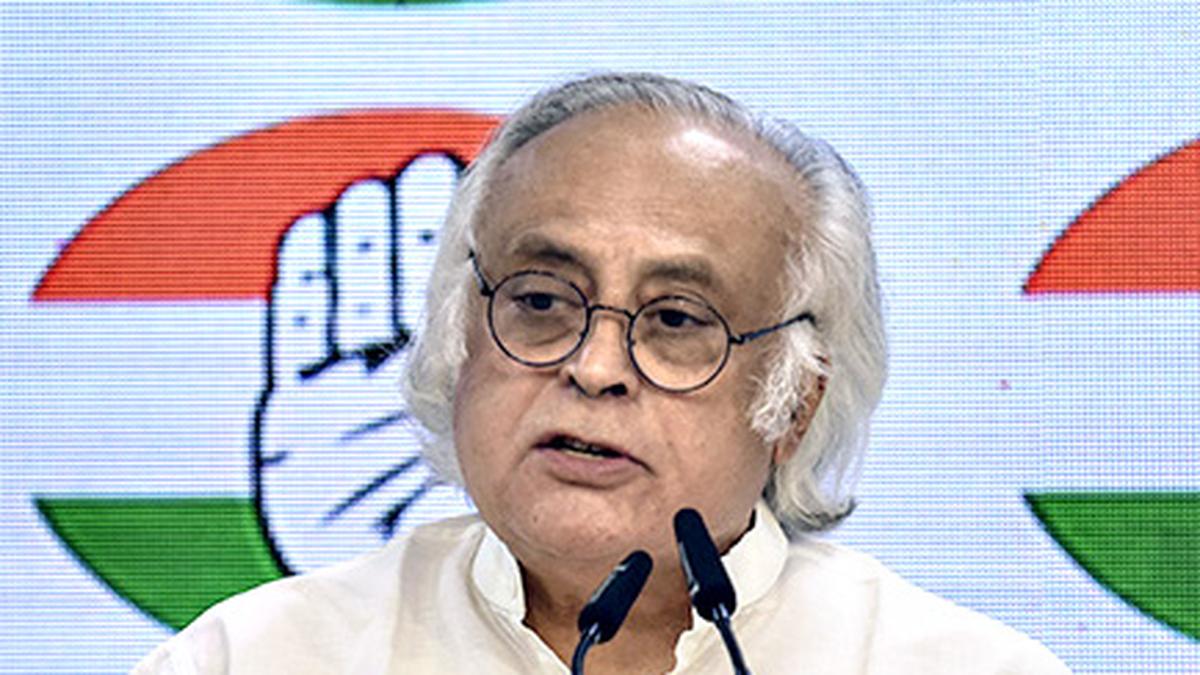
“MGNREGS has been the backbone of rural employment and economic security for millions. The government’s sustained underfunding and administrative apathy put millions at risk,” said a senior Congress spokesperson during a press briefing.
The opposition highlighted recent data indicating that demand for MGNREGS work has outpaced government provisions, leaving many applicants without employment opportunities. Additionally, delays in wage payments and low worksite supervision have further compounded the scheme’s challenges.
Critics also pointed out that the government’s budget proposal for 2025-26 did not reflect an adequate increase in MGNREGS funding, despite rising rural distress fueled by inflation and agrarian issues. They urged policymakers to prioritize bolstering MGNREGS as a critical instrument for rural livelihoods and poverty alleviation.
Furthermore, Congress leaders stressed that neglecting MGNREGS could have broader socio-economic repercussions, including increased migration from rural to urban areas and worsening poverty levels. They called for a transparent review of the scheme’s implementation mechanisms and stronger accountability to ensure the scheme delivers on its promise.
The Ministry of Rural Development has yet to issue an official response to the allegations; however, government sources maintain that efforts are underway to streamline the scheme and improve fund disbursement and monitoring.
As the government prepares its budget for the fiscal year 2025-26, attention on MGNREGS funding and implementation is intensifying. Stakeholders from both political and civil society spheres advocate for increased support to sustain this vital program amid India’s rural challenges.
In conclusion, the Congress party’s recent critique highlights concerns over the central government’s handling of MGNREGS, emphasizing the scheme’s importance for rural employment and livelihood security. The debate underscores the need for effective policy measures and adequate funding to ensure MGNREGS can meet growing rural employment demands in the coming years.