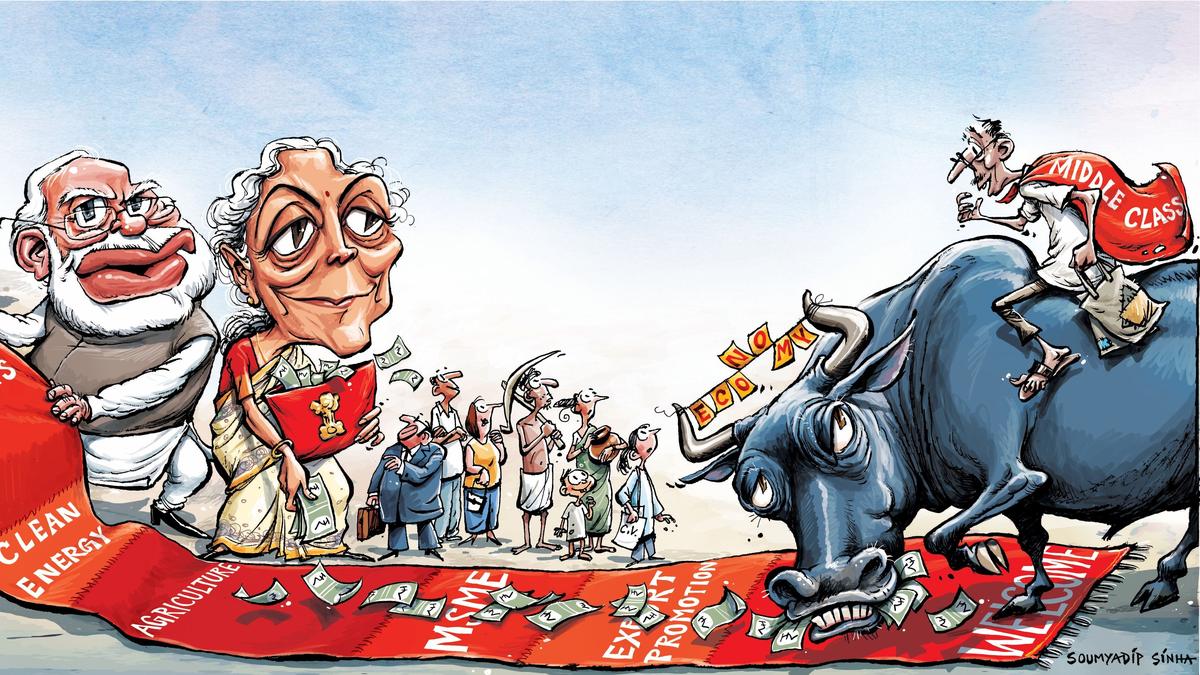
The Union Budget 2025 announced by the Indian government on February 1 has introduced substantial tax benefits aimed at the middle class. Key measures include increased tax slabs and enhanced exemptions, intended to boost disposable income and economic growth.
Union Budget 2025 introduces major tax relief for the middle class, increasing exemption limits and tax slabs to boost disposable income and economic growth.
The Union Budget 2025, presented on February 1, 2025, has brought considerable tax relief measures targeted at the middle-class segment of India. These tax bonanzas are designed to ease the financial burden on salaried individuals and small investors by expanding tax slabs and increasing exemption limits, thereby promoting consumer spending and economic expansion.
Key Highlights of Tax Benefits
The Finance Minister announced a revised tax slab system, raising the threshold for the highest tax bracket applicable to middle-income earners. Alongside this, there was an enhancement in various exemption ceilings, including an increased standard deduction and higher limits on deductions under sections related to investments and expenses, such as Section 80C and medical insurance. These measures collectively aim to increase disposable income for millions of taxpayers.
Impact on Middle-Class Taxpayers
According to government estimates, approximately 80% of the country’s taxpayers fall within the middle-income category and stand to benefit from the new provisions. The budget is expected to provide relief to an estimated 7 crore taxpayers, potentially reducing their tax outgo by up to 15%. This move aligns with the government’s objective to stimulate domestic demand by increasing purchasing power.
Economic Context and Expert Opinions
This budget comes at a time when the Indian economy is navigating global uncertainties and moderate growth projections. By providing tax incentives to the middle class, the government aims to retain consumer confidence and fuel economic activity. Economic analysts have viewed these changes as positive steps toward revitalizing consumption, which constitutes a significant portion of India’s GDP. According to Dr. Aditi Mehra, an economics professor at Delhi University, “The tax increases and exemptions recalibrated in this budget are timely efforts to enhance fiscal equity and incentivize savings and investments among the middle class.”
Additional Budget Measures Affecting the Middle Class
Beyond tax reliefs, the Union Budget 2025 also proposed increased allocations for healthcare, education, and infrastructure development, sectors that directly and indirectly benefit the middle class. The government announced plans to streamline the tax filing process through enhanced digitization, aiming to simplify compliance and reduce administrative burdens.
Conclusion
The Union Budget 2025 has successfully incorporated several policy changes designed to deliver a ‘tax bonanza’ for the middle class in India. By adjusting tax slabs, increasing deductions, and introducing new exemptions, the government’s fiscal strategy seeks to boost disposable income and spur economic growth. The coming months will reveal how effectively these measures translate into increased consumer spending and overall economic vitality.