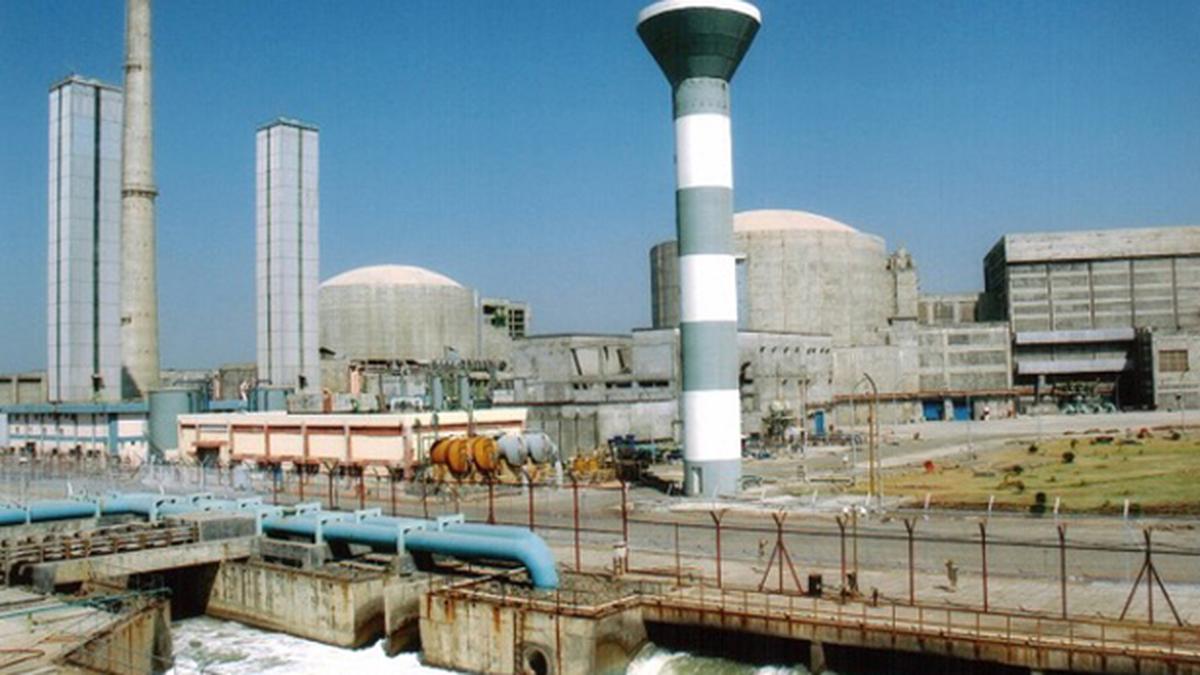
The Union Budget 2025 unveiled a ₹20,000 crore mission focused on small modular nuclear reactors, aiming to boost the country’s nuclear energy sector. However, the budget did not include additional funds for traditional nuclear reactor projects, signaling a strategic shift toward advanced nuclear technologies.
Union Budget 2025 allocates ₹20,000 crore for nuclear energy mission focused on small modular reactors, excluding extra funding for conventional reactor projects.
In the Union Budget 2025 announced on February 1, the Indian government allocated ₹20,000 crore to a new nuclear energy mission centered on the development and deployment of small modular reactors (SMRs). Finance Minister presented the budget in New Delhi, highlighting this initiative as a significant step toward advancing the nation’s clean energy goals. Despite the substantial funding for SMRs, the budget did not earmark additional resources for conventional nuclear reactor projects, prompting analysis of the government’s strategic priorities within the nuclear energy sector.
Small Modular Reactors: A Strategic Focus
Small modular reactors are compact nuclear reactors that offer advantages such as modular construction, enhanced safety features, and flexible deployment. The ₹20,000 crore nuclear energy mission aims to accelerate research, development, and commercialization of these advanced reactors to diversify India’s energy mix and support its climate commitments. Experts have noted that investing in SMRs could help India meet growing energy demands while reducing carbon emissions.
The government’s emphasis on SMRs reflects a global trend toward innovation in nuclear technology. These reactors can be deployed in remote locations and integrated into existing grids with relative ease. Additionally, their smaller size allows for phased capacity expansions, potentially reducing upfront investment risks.
Budget Omits Additional Funding for Traditional Reactor Projects
While focusing on SMRs, the budget did not include increased funding for existing or new large-scale nuclear reactor facilities. This absence suggests a reallocation of priorities within India’s nuclear energy strategy, potentially slowing the development of traditional nuclear power plants. Some analysts interpret this as a deliberate move to modernize the sector by prioritizing emerging technologies over conventional infrastructure.
Contextualizing the Nuclear Energy Budget
India has long relied on nuclear power as part of its energy portfolio, with established facilities contributing a significant portion of the country’s low-carbon electricity. The government’s decision to channel resources toward SMRs aligns with broader energy transition goals and reflects commitments made under international climate agreements.
For decades, nuclear energy has been viewed as a vital component in India’s energy security framework. However, balancing investment between scaling up current large reactors and pioneering newer, more flexible technologies poses challenges for policymakers.
Statements from Industry and Government Officials
Although the Finance Minister did not provide detailed comments specifically on reactor funding, experts within the nuclear sector have expressed cautious optimism. A senior official from the Department of Atomic Energy stated, ‘The allocation for small modular reactors marks a progressive step in harnessing advanced nuclear technology. This approach is expected to complement our existing infrastructure and contribute substantially to sustainable energy goals.’
Environmental advocates have welcomed the emphasis on low-carbon energy investments but urge continuous transparency and assessment of all nuclear projects to ensure safety and public trust.
Looking Ahead
The Union Budget 2025 sets the stage for a transition within India’s nuclear energy landscape by prioritizing investment in small modular reactors. As implementation of the ₹20,000 crore mission progresses, stakeholders will be observing how the government balances its commitments to both traditional and innovative nuclear technologies.
In summary, while the budget injects significant capital into nuclear energy development through SMRs, the absence of increased funding for standard reactor projects reflects an evolving policy direction. This shift underscores India’s intent to modernize its clean energy infrastructure amid growing domestic demand and global climate imperatives.