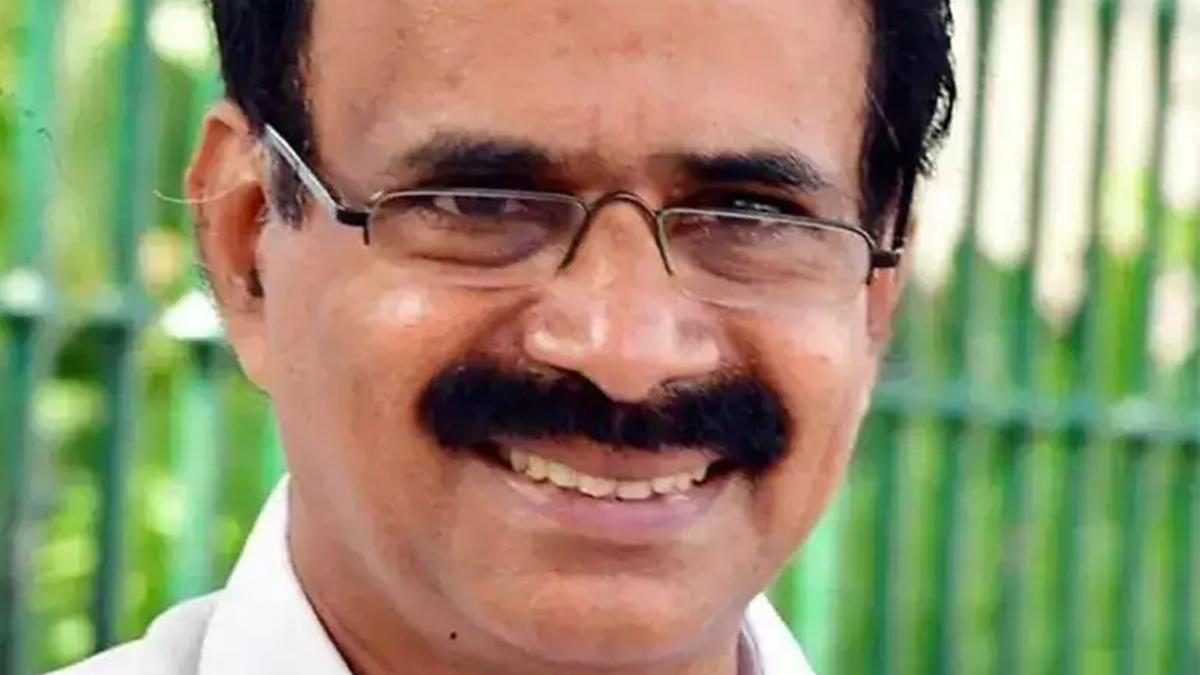
Union Minister George Kurian has stated that Kerala should be allowed to label itself as a ‘backward’ state if it wishes, sparking debate over regional development classifications. The remarks come amid ongoing discussions about resource allocation and state development priorities in India.
Union Minister George Kurian’s remarks on Kerala’s backward status spark debate over state classifications and resource allocation in India.
In a statement made on February 1, 2025, Union Minister George Kurian addressed the contentious issue of regional development status in India by commenting on Kerala’s classification as a ‘backward’ state. Speaking at a public event, Kurian remarked that Kerala should be permitted to declare itself backward if it chooses, highlighting the autonomy of states in defining their development needs.
Kerala, known for its high literacy rates and comparatively advanced social indicators, has not traditionally been classified among India’s backward states. However, the Union Minister’s comments have ignited discussions on whether states like Kerala might benefit from backward status in terms of receiving additional government aid and developmental resources.
Kurian’s remarks come amid broader national conversations regarding the criteria used to define backwardness, which often influence the distribution of central funds and resources for development projects. By suggesting that Kerala could self-identify as backward, the Minister emphasized a flexible approach to regional classifications, potentially allowing states more maneuverability in seeking federal assistance.
Critics argue that Kerala’s socio-economic indicators, including high literacy and health standards, contradict the typical attributes of backward states. Conversely, some analysts point out that certain economic challenges, such as unemployment and infrastructure deficits, might justify reconsideration of Kerala’s status to ensure adequate support.
The Union government has historically used backwardness criteria to channel funds under various schemes aimed at uplifting less developed regions. These classifications impact allocations for infrastructure, education, healthcare, and employment generation programs.
Kerala’s local government and political leaders have yet to comment officially on Kurian’s statement. The debate highlights the complexities involved in development planning and resource distribution among India’s diverse states.
In conclusion, Union Minister George Kurian’s suggestion that Kerala could identify as a backward state if it prefers has sparked renewed dialogue on regional development classifications in India. The conversation underscores the challenges in balancing objective socio-economic metrics with political and administrative considerations for equitable development.