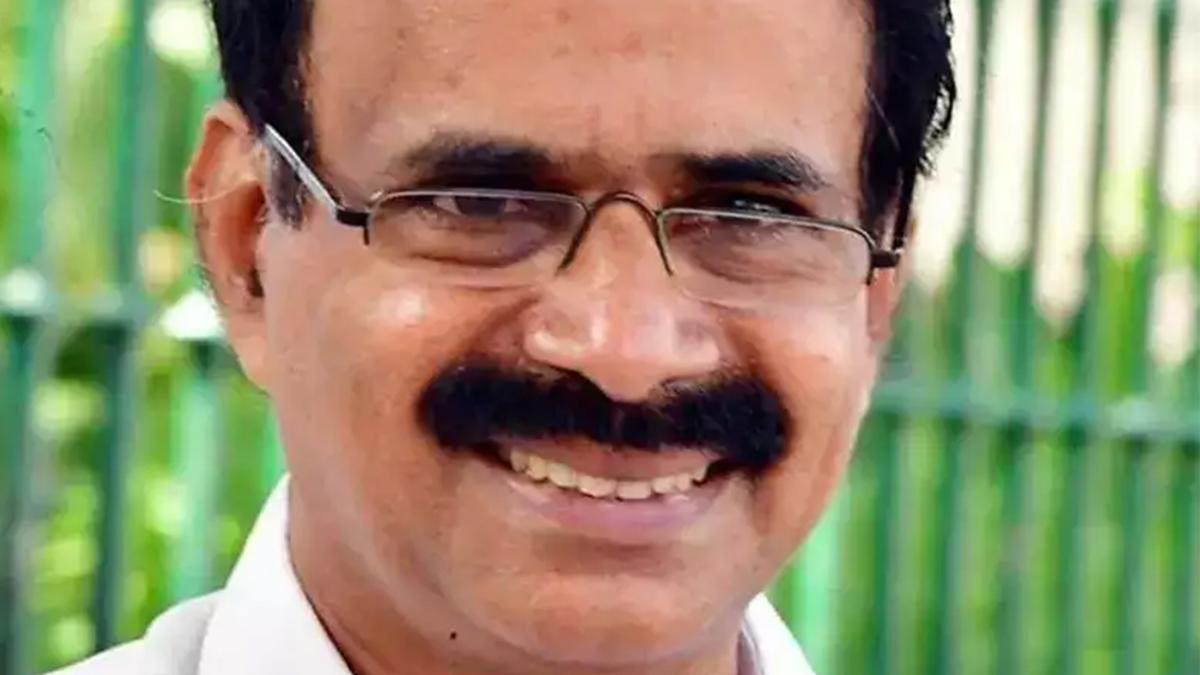
Union Minister George Kurian recently stated that Kerala should openly acknowledge if it considers itself backward, sparking controversy in the state. His remarks came during a public event where he discussed Kerala’s socio-economic status and development challenges.
Union Minister George Kurian urges Kerala to acknowledge backwardness if applicable, igniting debate on the state’s socio-economic status and development challenges.
Thiruvananthapuram, February 1, 2025 – Union Minister George Kurian stirred debate in Kerala after he remarked that the state should openly declare if it considers itself backward. Speaking at a public event on Saturday, Kurian questioned Kerala’s self-assessment regarding its economic and social development, provoking responses from various political and social groups across the state.
Kurian’s comments were made during a discussion on regional development and backwardness classifications used by the central government for resource allocation. “If Kerala feels it is backward, it has every right to say so. There is no shame in acknowledging developmental challenges openly,” Kurian said. He added that such declarations can influence federal funding and policymaking aimed at accelerating growth.
The minister’s statement ignited reactions from political leaders and analysts who noted Kerala’s long-standing reputation for high literacy rates, robust healthcare, and social welfare measures. Critics argued that labeling Kerala as backward contradicts its impressive human development indicators and economic achievements.
Context of the Remarks
Kerala has often been regarded as a model state in terms of social development, with strong indicators in education, health, and social equality. However, recent discussions have highlighted pockets of economic disparity and infrastructure challenges within the state.
The issue of backwardness classification is significant because it affects eligibility for certain central government schemes and funds aimed at boosting development in less advantaged regions. Some experts suggest that Kerala’s refusal to classify itself as backward might limit access to these resources despite existing economic setbacks in some areas.
Responses from Political and Social Leaders
Several political figures from Kerala expressed concerns over the implications of Kurian’s remarks. Senior Congress leader Asha Menon stated, “Kerala’s development model is world-renowned. The backward label undermines decades of progressive governance and social empowerment.”
Conversely, some opposition members acknowledged challenges such as unemployment and rural underdevelopment, suggesting a nuanced conversation is necessary. Economist Dr. Ramesh Pillai commented, “While Kerala excels in many areas, there are economic vulnerabilities. Open dialogue on these issues is essential for targeted policy interventions.”
Implications for Kerala’s Development Policies
The debate sparked by Union Minister Kurian brings to light the complexities of regional classifications and development politics in India. Kerala’s leadership faces the challenge of balancing pride in social achievements with addressing existing economic gaps.
Experts suggest that rather than rejecting or accepting the backwardness label outright, Kerala could use such classifications strategically to secure necessary funding while continuing to invest in comprehensive development initiatives that address both social and economic dimensions.
Conclusion
Union Minister George Kurian’s remarks have ignited wide-ranging debates on Kerala’s developmental status and the political sensitivities surrounding the backwardness tag. While Kerala boasts strong social indicators, underlying economic challenges prompt calls for a more transparent and pragmatic discussion on development strategies and resource allocation. As the dialogue evolves, the state’s policymakers and stakeholders are expected to navigate these issues carefully to sustain Kerala’s growth trajectory.