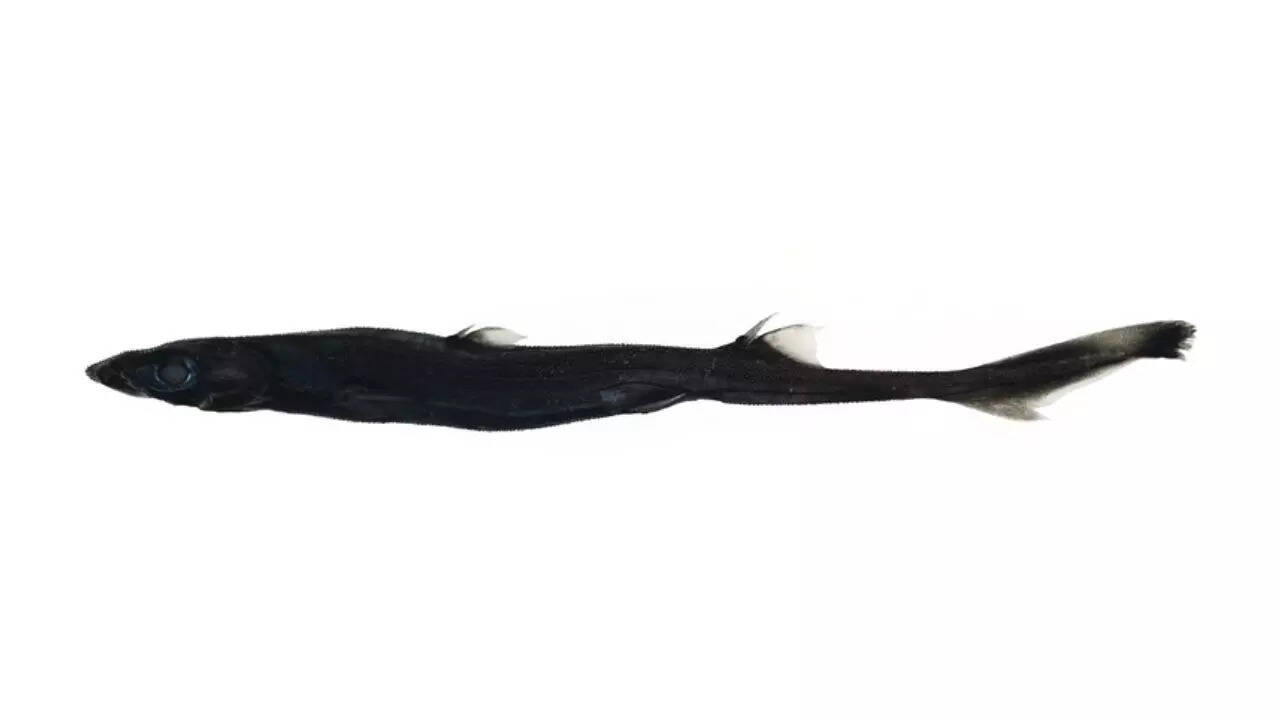
Scientists from CSIRO have identified two new species in Australia’s deep ocean: a bioluminescent shark and a miniature porcelain crab. These discoveries highlight the rich biodiversity of unexplored marine habitats off the Australian coast.
CSIRO scientists discover two new deep-sea species off Australia: a bioluminescent glow-in-the-dark shark and a tiny porcelain crab, showcasing rich marine biodiversity.
Australian marine researchers from the Commonwealth Scientific and Industrial Research Organisation (CSIRO) have unveiled two newly discovered species from the deep ocean surrounding Australia. The discoveries include a remarkable glow-in-the-dark shark exhibiting bioluminescence, and an extremely small porcelain crab species. Both species were identified during recent deep-sea explorations that underscore the vast and largely unknown biodiversity of Australia’s marine ecosystems. The glow-in-the-dark shark, notable for its ability to emit light, adds to the limited group of bioluminescent sharks known worldwide. Bioluminescence is a rare trait that aids survival in the dark depths of the ocean by helping with camouflage, communication, or prey attraction. Scientists emphasize that studying such species enhances understanding of deep-ocean ecological processes and evolutionary adaptations. In contrast, the tiny porcelain crab, distinguished by its delicate exoskeleton and diminutive size, inhabits the ocean floor’s rugged terrain. Porcelain crabs are known for their unique morphology and ecological roles in benthic environments. The discovery was made possible through CSIRO’s use of advanced submersible technology that allowed researchers to explore depths previously inaccessible with traditional oceanographic equipment. CSIRO marine biologist Dr. Emily Harper commented, “These findings highlight how much remains to be discovered beneath our oceans, especially in deep-sea habitats. Each new species enriches our understanding of marine biodiversity and the fragile ecosystems that depend on it.” The new species have been cataloged following rigorous scientific protocols, including morphological analysis and genetic sequencing, confirming their uniqueness. Their habitats reportedly include some of Australia’s most remote underwater regions, adding urgency to conservation efforts as deep-sea environments face growing threats from climate change and human activities such as deep-sea mining. The discoveries contribute to ongoing global efforts to map and protect ocean life, demonstrating Australia’s leadership in marine science. CSIRO plans to continue deep-water surveys to uncover further undiscovered species and gather data critical for ecosystem management. These recent findings serve as a reminder of the vast unknowns that remain in marine biology and the importance of sustained scientific exploration. For more details on this exciting discovery, visit CSIRO’s official website or follow related updates in marine biodiversity research publications.