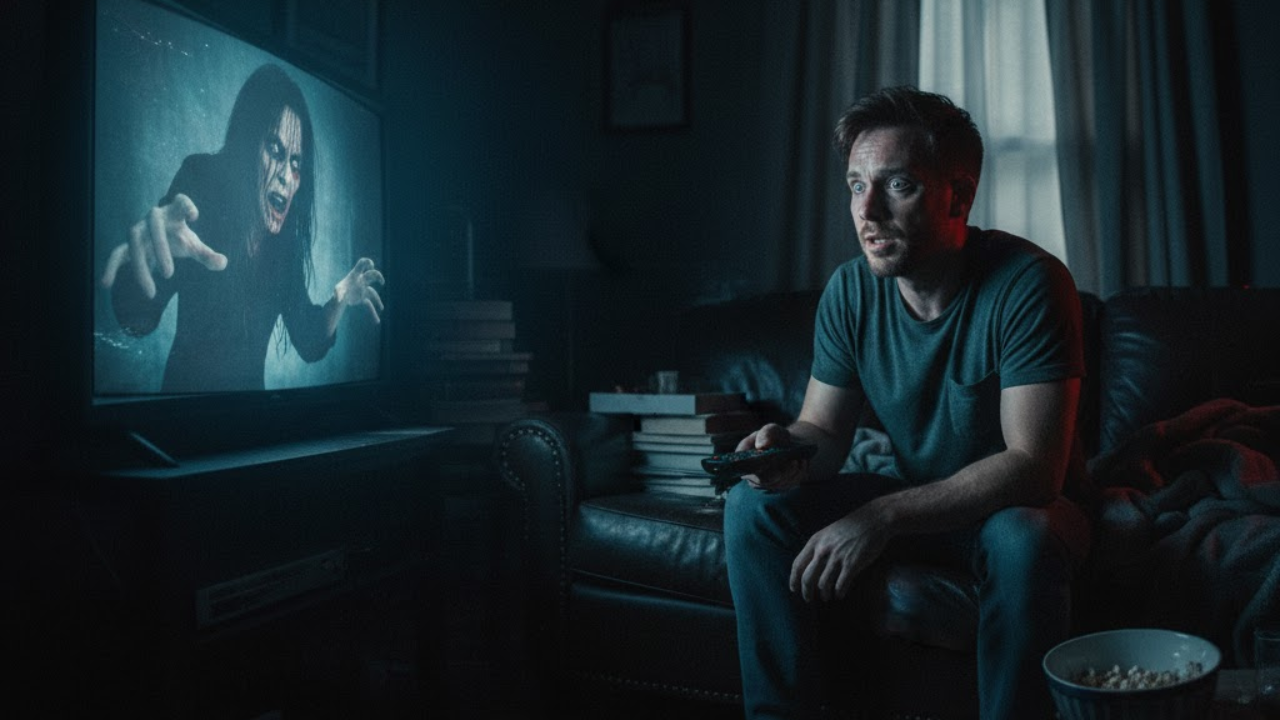
Recent studies reveal the impact of horror films on brain activity, highlighting how fear and suspense stimulate emotional and cognitive functions. Researchers explain why horror movies trigger heightened alertness and the release of adrenaline, engaging viewers in unique psychological ways.
Explore how horror films affect brain activity, triggering fear responses and emotional engagement, and why audiences find them thrilling and enjoyable.
Horror films have long captivated audiences worldwide, blending fear and excitement to create compelling cinematic experiences. Recent scientific research sheds light on what happens in our brains when we watch these spine-chilling movies, offering insight into why horror films elicit such powerful emotional responses.
Understanding Brain Responses to Horror Films
Studies conducted by neuroscientists indicate that watching horror films activates multiple areas of the brain associated with emotion, arousal, and memory. The amygdala, a region critical for processing fear, becomes highly engaged during intense scenes of suspense and terror. Likewise, the prefrontal cortex, responsible for higher cognitive functions such as decision-making and attention, also plays a role as viewers try to anticipate plot twists and resolve narrative uncertainties.
The physiological impact of horror movies is equally significant. The body’s fight-or-flight response is triggered by frightening stimuli on screen, releasing adrenaline and cortisol. This reaction results in increased heart rate and heightened sensory awareness, placing the viewer in a state of heightened alertness. According to Dr. Priya Mehta, a cognitive neuroscientist at the National Institute of Mental Health, “Horror films offer a safe environment to experience fear, allowing viewers to explore the emotional and physiological effects of perceived threats without actual danger.”
Why Do We Enjoy Being Scared?
Despite the unpleasant feelings associated with fear, many people actively seek out horror films for entertainment. Psychological theories suggest that controlled exposure to fear can lead to catharsis and exhilaration. Watching horror movies allows individuals to confront fears indirectly, providing a sense of mastery over anxiety-provoking stimuli.
Moreover, horror films often stimulate the release of dopamine, a neurotransmitter linked to pleasure and reward. This response may explain why some viewers find horror films thrilling and enjoyable despite their frightening content.
Contextualizing the Popularity of Horror Films
Horror remains a popular film genre globally, with box office successes and a dedicated fan base. The unique combination of storytelling, suspense, and emotional engagement makes horror films appealing across cultures and age groups. Filmmakers often utilize jump scares, eerie soundtracks, and visual effects to maximize the impact on viewers’ sensory and emotional systems.
From a therapeutic perspective, controlled exposure to horror content has been explored as a potential tool for coping with anxiety disorders. While research in this area is ongoing, some clinicians believe that controlled horror viewing could help desensitize individuals to fear triggers and improve resilience.
In summary, horror films influence brain activity in complex ways, triggering emotional, cognitive, and physiological responses. This interplay of fear and enjoyment underpins the enduring appeal of the genre and offers valuable insights into human psychology and brain function.