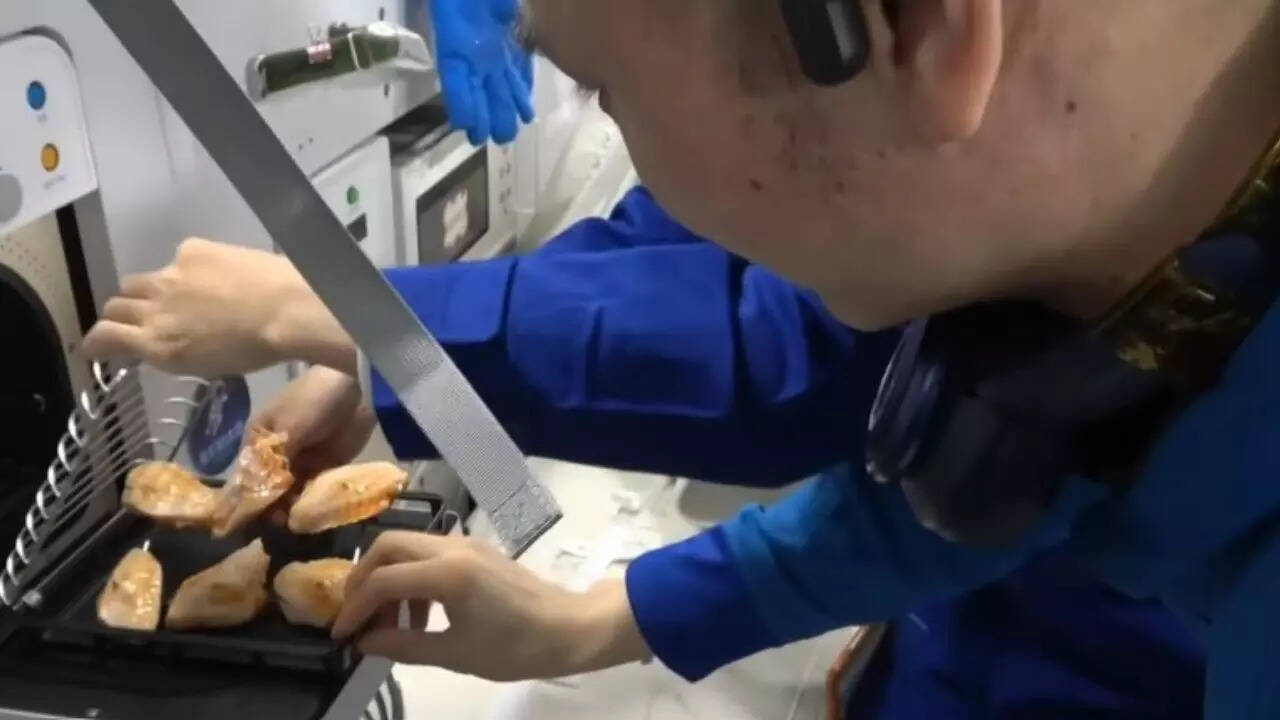
Chinese astronauts aboard the Tiangong space station have for the first time grilled chicken and steak in orbit, marking a significant advancement in space food preparation. This achievement highlights efforts to improve astronauts’ diet and quality of life during long-duration missions.
Chinese astronauts grill chicken and steak aboard Tiangong station, marking a milestone in space food preparation and long-duration mission support.
In a pioneering culinary achievement, Chinese astronauts aboard the Tiangong space station have successfully grilled chicken and steak in space, a development that underscores China’s advancing capabilities in space living conditions and nutrition. The event, reported on November 4, 2025, demonstrates growing expertise in preparing and consuming familiar foods beyond Earth, contributing to better morale and health for astronauts on extended missions.
The grilled meal was prepared using specialized equipment designed to function in a microgravity environment, allowing the astronauts to enjoy hot, freshly cooked meat rather than relying solely on pre-packaged or rehydrated space food. This breakthrough addresses a long-standing challenge in space nutrition — developing ways to retain food flavor, texture, and variety while overcoming the limitations imposed by microgravity.
China’s space agency emphasized that the successful grilling of meat in orbit is an important step toward supporting long-term human presence in space. The enhancement of food options is expected to contribute significantly to the psychological and physical well-being of crews on missions such as those planned to the Moon and eventually Mars. As Chinese astronaut Wang Yaping noted in a recent statement, “Eating food we can grill and enjoy fresh adds comfort and a sense of normality to our experience in space.”
Improving space cuisine has been an international focus as agencies aim to extend mission durations. Traditional space foods often require extensive processing and rehydration, which can impact taste and nutrition negatively over time. The introduction of grilling technology aboard the Tiangong station reflects innovative approaches to overcoming these challenges.
The chicken and steak grilling also illustrates advancements in the station’s life support and kitchen facilities, ensuring safe operation without risks such as fire or smoke, which are critical safety concerns in zero-gravity conditions. The successful demonstration opens doors to more diverse cooking techniques that could soon become standard for astronauts worldwide.
Experts in space nutrition have welcomed the development. Dr. Helen Cho, a researcher in astronaut dietary studies, commented, “The ability to prepare fresh and cooked meals onboard improves not only the nutritional intake but also contributes positively to the mental health of crew members, which is vital on longer missions.”
China’s achievement comes amid expanding ambitions for human space exploration, highlighting the country’s growing role in establishing sustainable space habitats. By addressing fundamental aspects of daily life, such as food preparation and enjoyment, China is contributing valuable insights to the global effort of making long-term habitation in space viable.
In summary, the recent success in grilling chicken and steak by Chinese astronauts marks a significant advance in space food technology. It reflects broader progress in enhancing astronauts’ quality of life and the practical challenges of living and working in microgravity, paving the way for more ambitious future missions.