China’s Shenzhou-20 spacecraft return mission has been postponed due to damages sustained from a collision with space debris. The incident has raised concerns regarding space debris management and mission safety protocols.
China delays Shenzhou-20 spacecraft return after collision with space debris, highlighting risks of orbital debris and emphasizing astronaut safety measures.
China’s Shenzhou-20 mission, originally scheduled to return to Earth in early November 2025, has experienced an unexpected delay following a collision with space debris. The incident occurred while the spacecraft was in low Earth orbit, prompting mission controllers to postpone the return to ensure astronaut safety and assess the damage. The Shenzhou-20 is part of China’s ongoing efforts to establish and maintain the Tiangong space station, which is crucial for the country’s expanding presence in space exploration.
According to the China Manned Space Agency (CMSA), the spacecraft encountered a small piece of orbital debris moving at high velocity. While initially designed to withstand certain impacts, the collision caused minor damage to the craft’s exterior, triggering a precautionary hold on the planned return procedures. CMSA officials emphasized that the crew aboard Shenzhou-20 remain safe and that all vital systems have been verified to be operational.
The delay underscores the growing concern over space debris, which poses an increasing threat to both crewed and uncrewed missions worldwide. With thousands of defunct satellites, spent rocket stages, and fragments orbiting Earth, the risk of collisions is a significant challenge for space agencies. Experts note that even small pieces of debris can inflict serious damage due to their high orbital velocities.
This event is not the first time a crewed mission has faced risks from space litter. It highlights the need for enhanced debris tracking and mitigation measures. International collaboration is encouraged to address the problem, including the development of improved debris monitoring technologies and coordinated removal strategies.
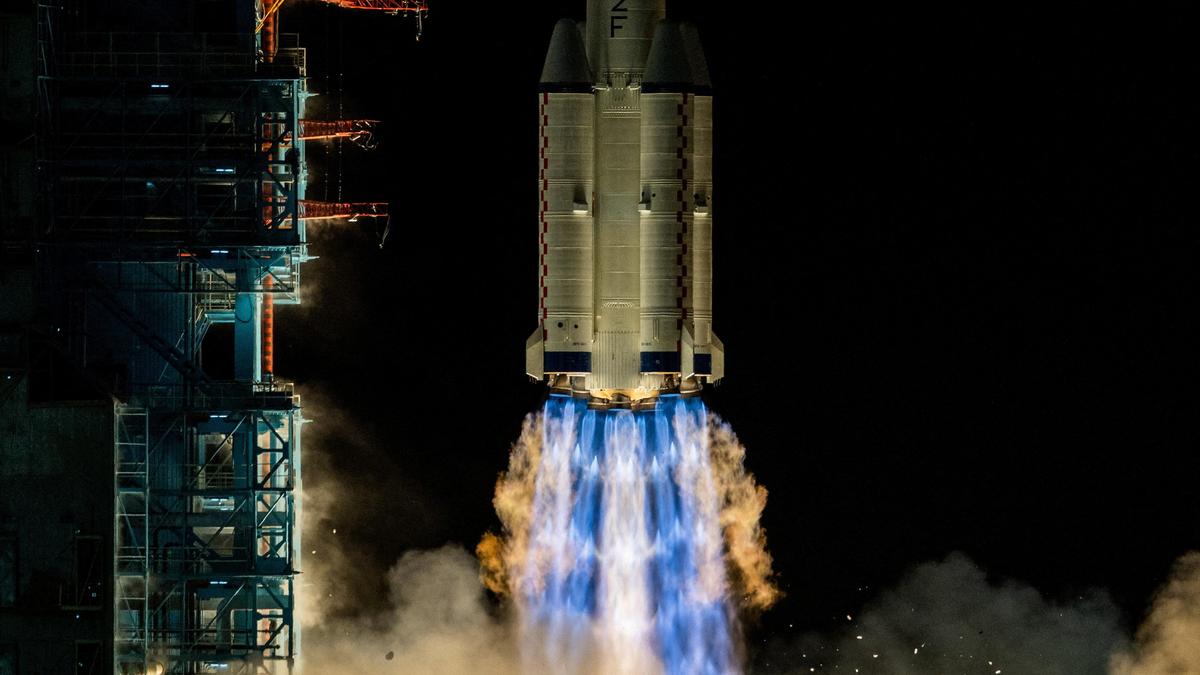
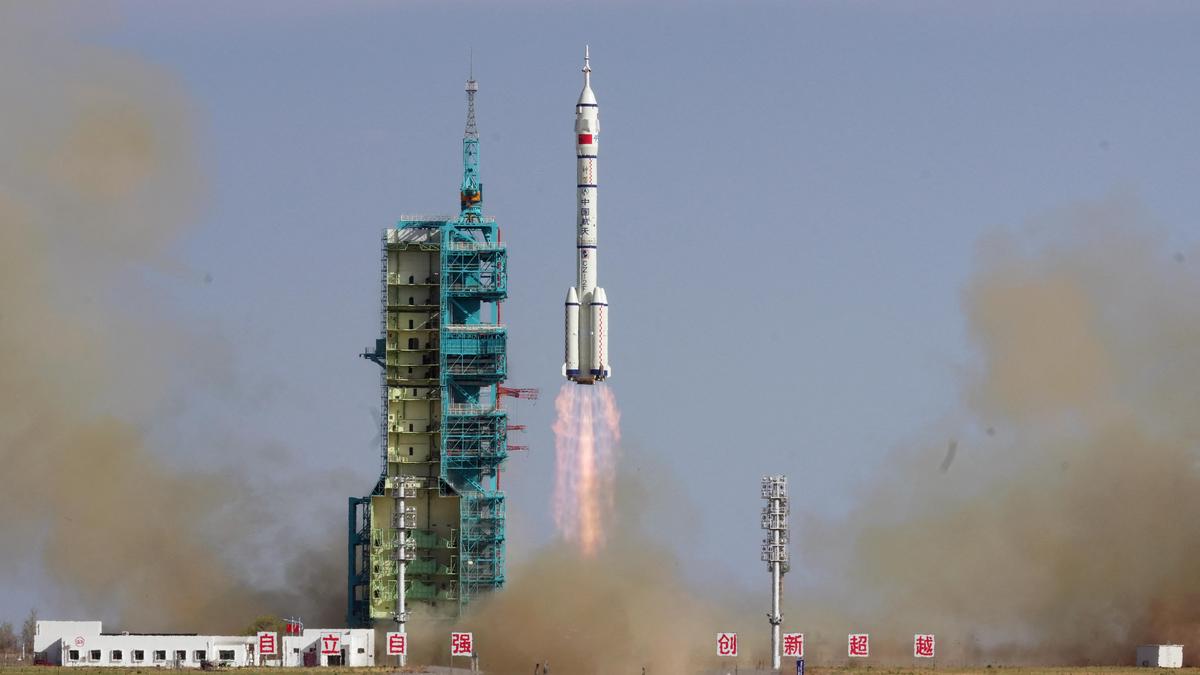
The Shenzhou-20 mission, launched earlier this year, successfully transported astronauts to the Tiangong space station to continue construction and conduct scientific experiments. The mission’s primary objectives included assembling modules and performing critical maintenance tasks to ensure station operability. The extended time in orbit due to the delay may also provide additional opportunities for research aboard the station, although the priority remains the safe return of the crew and spacecraft.
China’s space program has steadily advanced over the past decades, achieving milestones such as lunar exploration, Mars missions, and the establishment of the Tiangong station. The Shenzhou series of spacecraft has been central to these human spaceflight endeavors, and each mission carries strategic importance for technological development and international prestige.
In response to the incident, CMSA stated that a detailed inspection of the spacecraft will take place once it returns to Earth, with findings to inform future mission planning and spacecraft design. Meanwhile, mission control continues to work on adjusting the return timeline, prioritizing the health and safety of the astronauts.
This space debris collision incident with Shenzhou-20 is a reminder of the increasing operational hazards in Earth’s orbit and the imperative for sustainable space activities. As more nations and private entities participate in space exploration, comprehensive debris governance becomes essential to preserve the orbital environment for current and future missions.
In summary, the Shenzhou-20 return mission delay highlights the tangible risks posed by space debris and continues to emphasize the necessity for international cooperation in managing orbital safety. The situation remains closely monitored as China prepares for the eventual safe return of its astronauts and spacecraft.