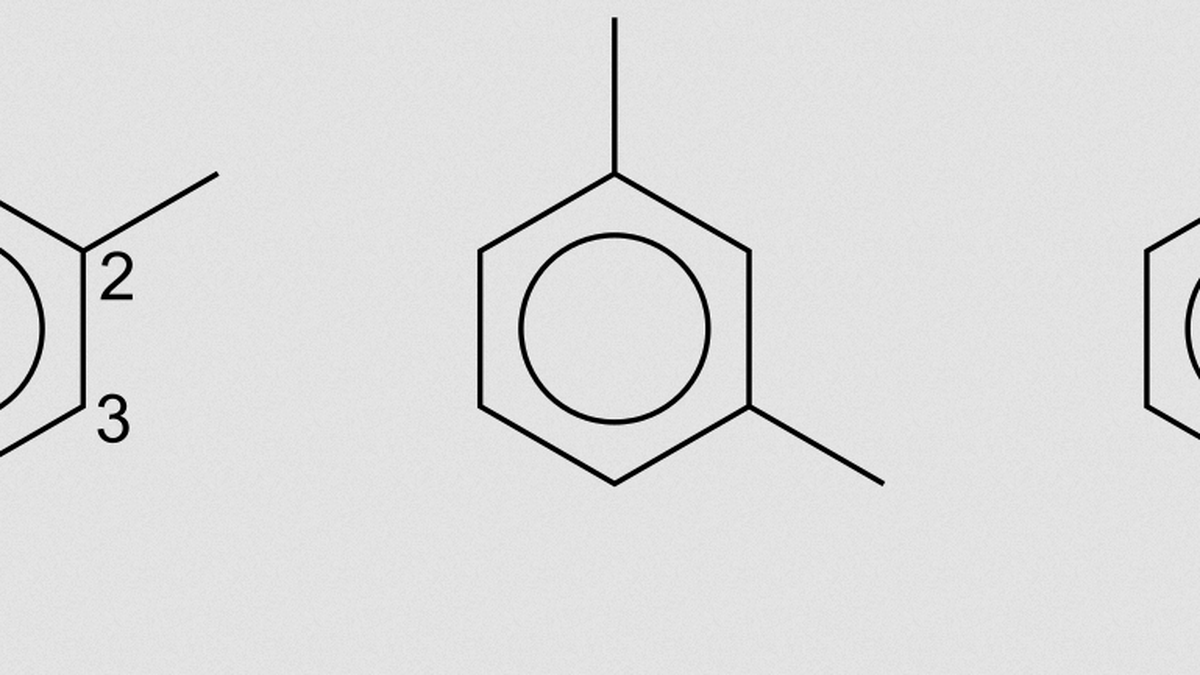
Isomers are chemical compounds that share the same molecular formula but differ in structure or spatial arrangement, leading to diverse properties. This science quiz article delves into the concept of isomers, illustrating their significance and variations in chemistry.
Explore isomers: compounds with identical molecular formulas but different structures, their types, significance, and impact in chemistry and industry.
Isomers: Compounds with the Same Formula but Different Structures
In the vast realm of chemistry, molecules with the same molecular formula can exhibit remarkably different properties due to variations in their structure. These molecules are known as isomers. Understanding isomers is fundamental to chemistry, as they demonstrate how molecular arrangement impacts the behavior and characteristics of compounds.
What Are Isomers?
Isomers are chemical compounds that share an identical molecular formula but differ in the arrangement of atoms or the orientation of their atoms in space. This difference leads to variations in their physical and chemical properties, despite having the same types and numbers of atoms.
Types of Isomers
There are two primary categories of isomers: structural isomers and stereoisomers.
Structural Isomers
Structural isomers, also known as constitutional isomers, differ in the connectivity of their atoms. For instance, two compounds might both have the molecular formula C4H10, but one could be n-butane, with a straight chain of carbon atoms, and the other isobutane, with a branched chain. These structural differences result in distinct properties, such as boiling points and reactivity.
Stereoisomers
Stereoisomers have the same molecular formula and sequence of bonded atoms but differ in the three-dimensional orientations of their atoms. Stereoisomers include enantiomers and diastereomers.
Enantiomers are mirror images of each other and are non-superimposable, much like left and right hands. These isomers are particularly important in biochemistry and pharmaceuticals because enantiomers can have drastically different biological effects.
Diastereomers are stereoisomers that are not mirror images and can have multiple chiral centers, adding to their complexity.
Importance of Isomers in Science and Industry
The study of isomers is crucial in many scientific fields, including medicine, pharmacology, and materials science. For example, the effectiveness and safety of drugs can depend on the specific isomer used. Thalidomide, a drug with one enantiomer beneficial for treatment and the other causing severe birth defects, underscores the importance of isomer knowledge.
In materials science, the arrangement of atoms affects the properties of polymers and other materials, making isomerism a key factor in the development of new substances.
Engaging with Isomers Through Science Quizzes
To deepen understanding of this concept, science quizzes on isomers encourage learners to identify types and properties of different isomers, fostering engagement with fundamental chemical principles.
Conclusion
Isomers exemplify how molecules with the same formula can exhibit diverse characteristics due to differences in their structural or spatial arrangements. Their study provides valuable insights into chemical behavior, influencing various scientific disciplines and industries.
For students and enthusiasts alike, exploring isomers through quizzes and practical examples is an effective way to grasp the complexity and significance of these compounds in chemistry.