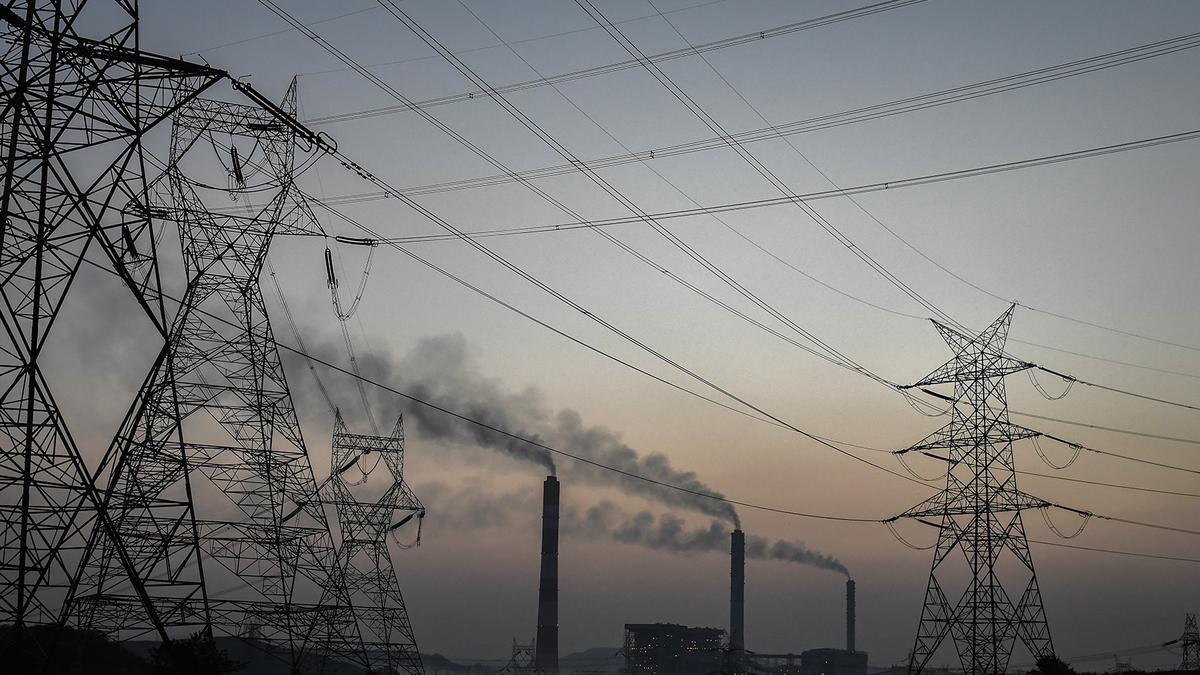
A recent United Nations report reveals that despite global efforts, countries worldwide are not reducing greenhouse gas emissions fast enough to meet the goals set under the 2015 Paris Agreement. The report urges accelerated action to avoid severe climate impacts.
UN report reveals global emission reductions are insufficient to meet Paris Agreement goals, urging urgent enhanced climate action to limit global warming.
A new report released by the United Nations on October 28, 2025, has found that current global emission reduction efforts remain insufficient to meet the targets agreed upon in the 2015 Paris Agreement. The report, which assesses national policies and progress, cautions that without significantly faster action, the world risks surpassing critical climate thresholds that could lead to irreversible environmental damage.
Global Emission Reductions Lag Behind Paris Agreement Goals
The Paris Agreement, adopted by nearly 200 countries in 2015, aims to limit global temperature rise to well below 2 degrees Celsius above pre-industrial levels and to pursue efforts to keep it to 1.5 degrees Celsius. However, the UN report highlights that emissions worldwide have not decreased at the pace required to achieve these objectives. Many nations have set targets that fall short of the scientific benchmarks necessary to mitigate the worst effects of climate change.
According to the report, current national commitments, collectively known as Nationally Determined Contributions (NDCs), are not ambitious enough. Despite some progress in renewable energy adoption and energy efficiency, global greenhouse gas emissions continue to rise or remain stagnant in many regions. The countries’ efforts to reduce emissions in sectors such as transportation, industry, and agriculture need substantial scaling.
Calls for Urgent and Enhanced Climate Action
UN officials emphasized the urgent need for accelerated climate actions. ‘‘This report sends a clear message that the world is not on track to meet the Paris Agreement goals,’’ stated a spokesperson for the UN Framework Convention on Climate Change (UNFCCC). ‘‘Significantly enhanced commitments and rapid implementation are essential to reduce emissions and mitigate the impending risks of climate change.’’
The report outlines that to meet the 1.5-degree target, global greenhouse gas emissions must be halved by 2030 and reach net-zero around mid-century. It stresses that countries must enhance ambition in their climate policies and follow through with strong implementation plans, including phasing out fossil fuels, investing in clean energy technologies, and improving carbon sinks.
Context and Global Implications
Experts warn that failure to curb emissions effectively could lead to increased frequency of extreme weather events, rising sea levels, biodiversity loss, and significant socio-economic disruptions worldwide. Vulnerable populations in low-lying and poorer regions are expected to bear the brunt of these impacts.
Despite these warnings, some nations have already begun revising their climate plans to align more closely with the Paris goals, demonstrating a willingness to intensify their efforts. International cooperation, financial support for developing countries, and technology transfers remain critical to driving global progress.
Conclusion
The United Nations report underscores a significant gap between current emission reduction efforts and the targets established under the Paris Agreement. Without immediate and enhanced global cooperation and action, achieving the crucial temperature limits necessary to prevent severe climate consequences remains unlikely. The report serves as a call to action for governments, industries, and communities to redouble their climate mitigation efforts in the coming years.