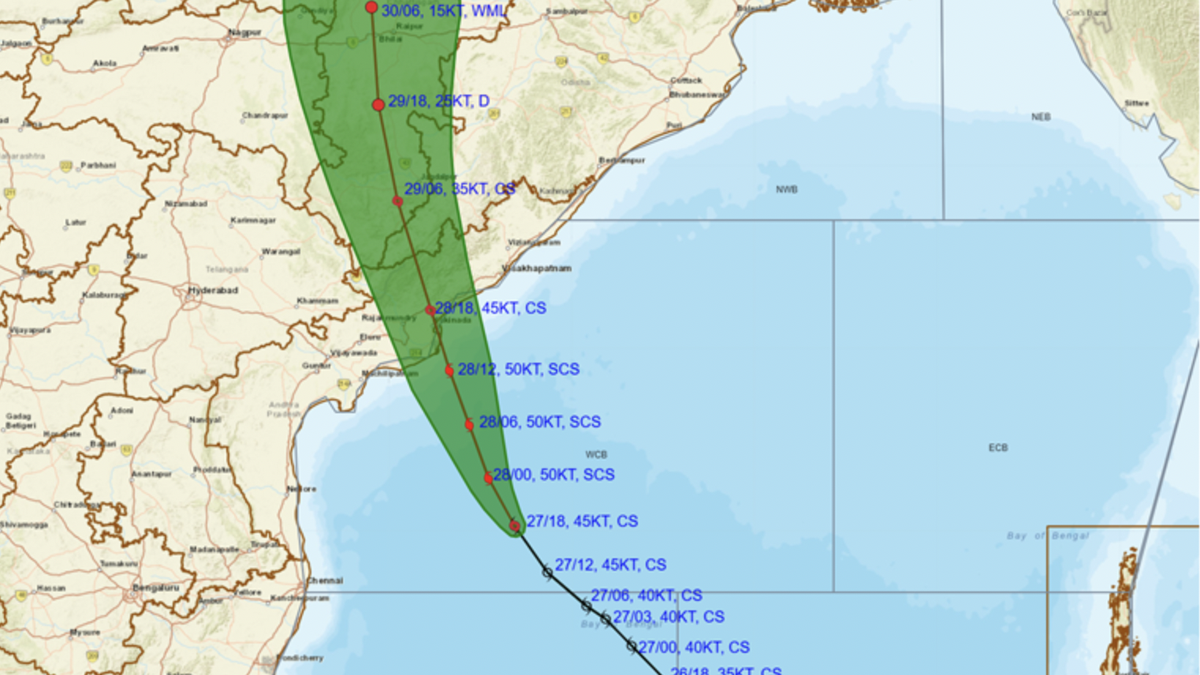
Cyclones typically move towards land due to atmospheric and oceanic dynamics influenced by the Coriolis effect and prevailing wind patterns. Scientists explain that while cyclones form over warm ocean waters, their paths are largely directed by large-scale steering winds, causing them to approach coastal areas.
Explore the scientific reasons why cyclones move towards land, including atmospheric winds, Coriolis effect, and oceanic influences explained in detail.
Cyclones are among the most devastating natural disasters, and their movement towards land often results in widespread destruction. But what causes these massive storm systems to drift from open waters to coastal regions? Understanding the mechanics behind cyclone movement is crucial for improving prediction models and disaster preparedness.
Formation and Movement of Cyclones
Cyclones generally form over warm tropical oceans where the sea surface temperature exceeds 26.5°C. The warm water provides energy, causing air to rise rapidly and create an area of low pressure beneath. The cyclone then begins to spin due to the Coriolis effect, which deflects moving air due to Earth’s rotation.
Atmospheric Steering Winds
Once formed, a cyclone’s movement is not random but governed primarily by larger atmospheric wind patterns, sometimes referred to as steering currents. These include the subtropical ridge—a belt of high pressure that influences wind direction in the tropics. The position and strength of this ridge often dictate whether a cyclone will veer towards the coastline or curve away into the open sea.
For example, during the northern hemisphere hurricane season, cyclones often track westward and poleward, driven by easterly trade winds and the subtropical ridge. As they move closer to land, interaction between the cyclone and landmass can also influence its speed and direction.
The Role of the Coriolis Effect
The Coriolis effect causes weather systems in the northern hemisphere to rotate counterclockwise and those in the southern hemisphere to spin clockwise. This effect also contributes to the general path of cyclones, pulling them poleward away from the equator, often leading them toward landmasses located in their path.
Oceanic and Atmospheric Interactions
Sea surface temperatures and atmospheric conditions such as wind shear can affect cyclone intensity and trajectory. Warmer waters provide more energy, which can strengthen cyclones as they approach land, raising concerns about potential damage and flooding.
Advances in Prediction and Preparedness
Understanding the factors that direct cyclones towards land has improved forecasting. Meteorological agencies use satellite data, atmospheric models, and historical patterns to predict cyclone tracks and intensity. Early warnings allow authorities to implement evacuation plans and disaster mitigation measures.
Conclusion
Cyclones move towards land because of a combination of atmospheric steering winds, the influence of the Coriolis effect, and oceanic conditions that guide their path from tropical oceans to coastal areas. While their formation requires warm sea temperatures, their ultimate trajectory is managed by complex environmental forces, emphasizing the importance of meteorological research and monitoring in safeguarding vulnerable populations.