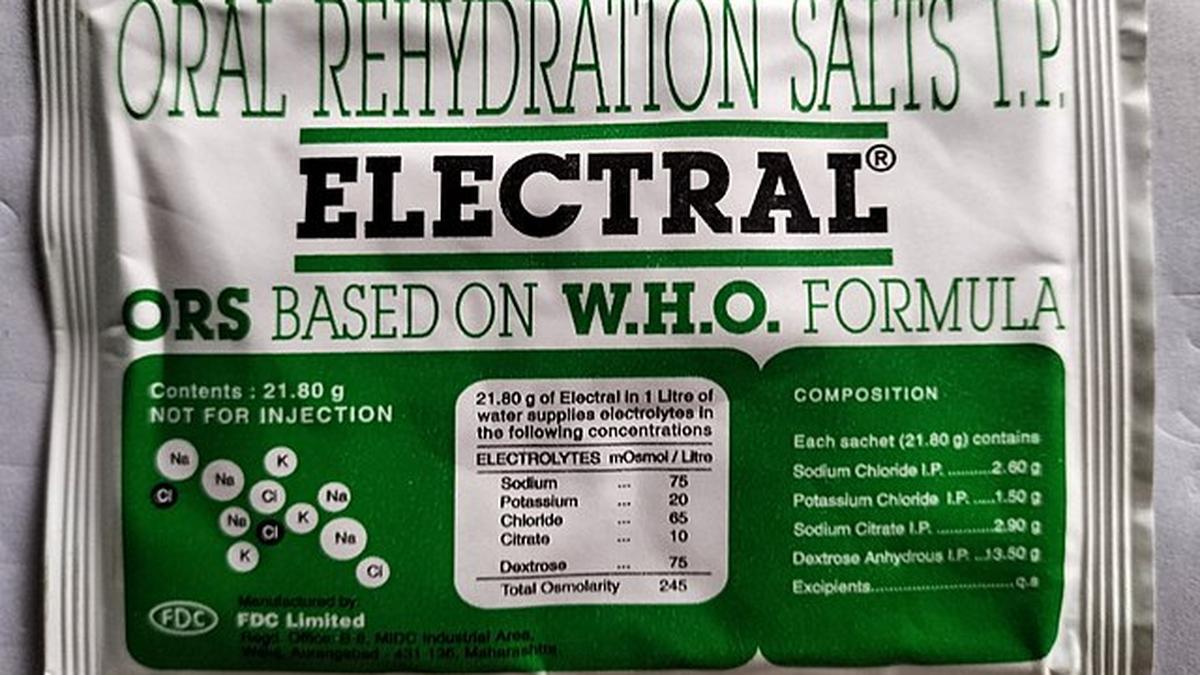
Oral Rehydration Solution (ORS) has recently gained widespread media attention due to its crucial role in treating dehydration caused by diarrhea, especially among children. This article explores what ORS is, why it is essential, and the reasons behind its current prominence in health discussions.
Learn about Oral Rehydration Solution (ORS), its importance in treating dehydration, and why it is currently highlighted in health news worldwide.
Oral Rehydration Solution (ORS) has become a focal point in health-related news, prompting renewed public interest in its composition, usage, and significance. ORS is a simple, cost-effective treatment that can prevent dehydration caused by diarrhea—a leading cause of illness and death, particularly among children worldwide.
What is ORS?
Oral Rehydration Solution is a mixture of clean water, sugar, and salts designed to rapidly replenish fluids and electrolytes lost due to dehydration. Developed in the 1960s, ORS is recognized by the World Health Organization and UNICEF as a life-saving intervention. Its correct usage is critical because dehydration from diarrhea can escalate quickly, especially in young children and infants.
Why is ORS in the news now?
ORS has recently come into the spotlight as health authorities and organizations underscore the rising prevalence of diarrheal diseases in various regions. Seasonal outbreaks and poor sanitation have exacerbated conditions leading to dehydration. Governments and public health campaigns are increasingly emphasizing ORS distribution and awareness as part of preventive healthcare measures.
Health experts affirm that the timely administration of ORS can dramatically reduce mortality rates associated with dehydration. Dr. Suman Rao, a pediatrician specializing in infectious diseases, notes, “ORS is one of the most effective and affordable treatments available. Its simple formulation allows prompt treatment even in resource-poor settings, saving millions of lives yearly.”
Preparation and Use
ORS can be prepared using pre-packaged sachets mixed with a specified quantity of clean water, or homemade versions involving common kitchen ingredients can be employed in emergencies. Public health advisories stress the importance of correct proportions to avoid complications from incorrect concentrations.
The Role in Child Health
Diarrhea remains a significant health challenge, particularly in developing countries where access to safe drinking water and medical care may be limited. ORS serves as a critical intervention that mitigates the effects of fluid loss and supports recovery, thereby preventing severe outcomes such as hospitalization or death.
International Efforts and Public Awareness
Global health organizations have ramped up their campaigns to improve knowledge about ORS. Educational programs aim to inform caregivers and communities on early signs of dehydration and effective home treatments. Accessibility to ORS packets at community health centers and pharmacies is also being enhanced.
Conclusion
ORS is a vital medical solution that remains instrumental in combating dehydration caused by diarrhea. Its recent prominence in news cycles highlights ongoing concerns about public health and the importance of simple, accessible treatments. Continued education and distribution efforts are key to reducing preventable deaths related to dehydration worldwide.