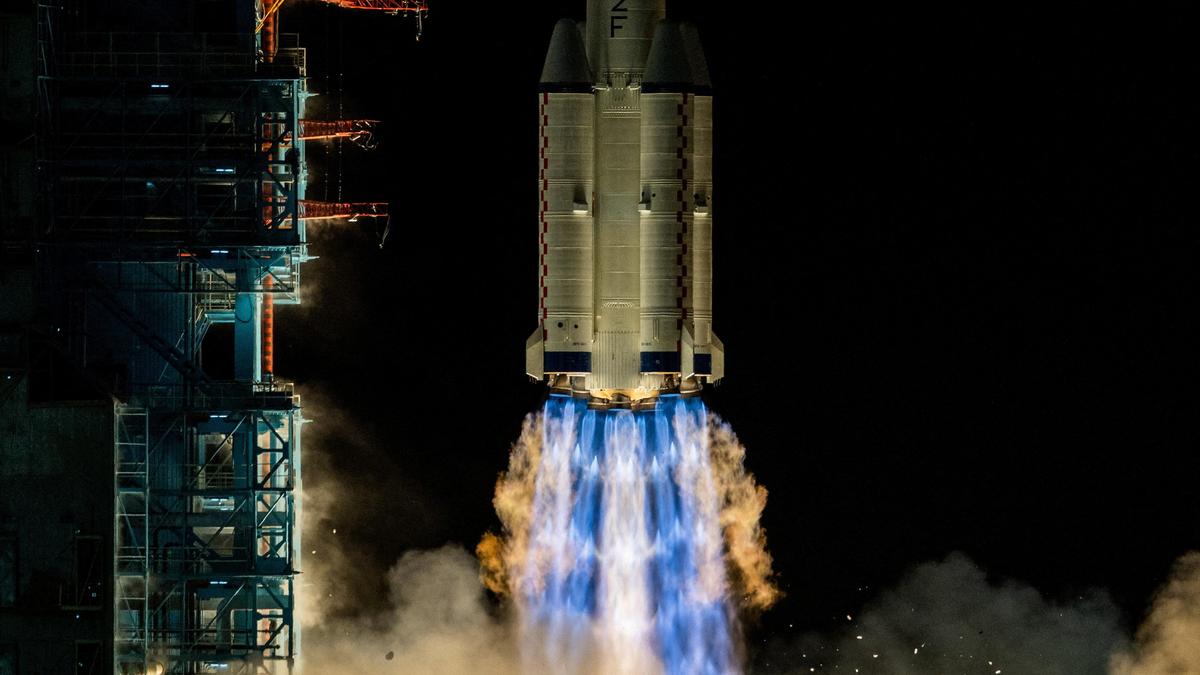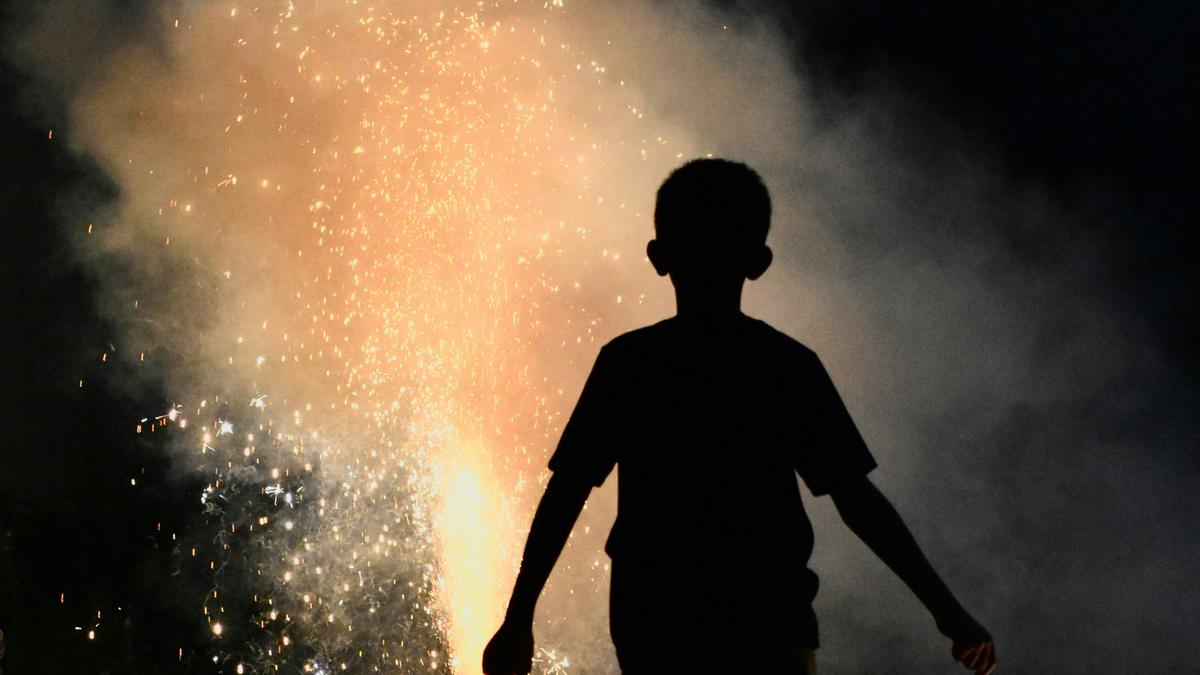
Experts have raised concerns about the environmental and safety implications of bursting firecrackers amid rainy conditions. Studies suggest that firecrackers can exacerbate air pollution and pose heightened hazards when combined with increased moisture in the atmosphere during the monsoon season.
Experts examine how bursting firecrackers in rainy weather affects air pollution and safety, revealing environmental risks and the need for cautious celebrations.
As festive seasons approach across India, the practice of bursting firecrackers remains an integral part of celebrations. However, concerns about the environmental impact and safety of setting off firecrackers during rainy weather have emerged among scientists and policymakers. The question of whether bursting firecrackers in rainy conditions worsens pollution and safety risks is drawing increasing attention.
Environmental Impact of Firecrackers in Rainy Conditions
Firecrackers emit a variety of pollutants, including particulate matter (PM2.5 and PM10), sulfur dioxide, nitrogen oxides, and heavy metals, which contribute to air pollution and have adverse effects on human health. During rainy weather, the atmospheric moisture and precipitation can interact with smoke and particulate matter from firecrackers in complex ways.
Dr. Meera Shah, an environmental scientist at the National Institute of Environmental Health Sciences, explains that “while rain can help settle particulate matter from the air, the moisture may also facilitate the formation of secondary pollutants such as smog and acid rain when mixed with firecracker emissions.” This means that although the immediate visibility and particulate concentration in the air might reduce due to rain, chemical reactions exacerbated by moisture can create other forms of pollution.
Moreover, the heavy metals released by firecrackers, such as lead, cadmium, and chromium, can contaminate water bodies when washed down by rain. This runoff can pose risks to aquatic ecosystems and potentially affect drinking water sources, raising concerns about the broader environmental consequences of firecracker use in monsoon seasons.
Safety Considerations
From a safety perspective, bursting firecrackers in rainy or damp weather may introduce new hazards. According to local fire safety officials in metropolitan areas like Mumbai and Kolkata, wet ground and slippery surfaces can make handling firecrackers more dangerous, increasing the likelihood of accidents and injuries. Additionally, the moisture can affect the ignition processes, causing unpredictable explosions or delayed ignitions.
Sunil Kumar, Head of Fire Safety at the Mumbai Fire Brigade, noted that “Neighbours bursting crackers in wet conditions may not be able to control the direction of sparks effectively, which together with reduced visibility can lead to accidental fires or injuries. We advise people to exercise caution and, if possible, avoid bursting crackers during heavy rains.”
Policy and Public Awareness
In recent years, several Indian states have implemented regulations to restrict firecracker use during peak pollution periods. Cities like Delhi have enforced bans during winter smog seasons, and environmental groups have advocated for alternatives such as green crackers to reduce harmful emissions.
The implications of firecracker use during the monsoon season add a new dimension to these discussions, with experts urging for heightened public awareness about the environmental and safety risks associated with fireworks in rainy weather. Campaigns emphasizing safe, environmentally responsible celebrations are increasingly relevant during this period.
Conclusion
Bursting firecrackers during rainy weather presents multifaceted concerns involving environmental pollution and public safety. While rain can reduce particulate matter in the air, interactions between moisture and firecracker emissions may form secondary pollutants and contribute to water contamination. Safety risks also increase due to slippery conditions and unpredictable ignition behaviors. These findings underscore the importance of informed and cautious practices during firecracker use in the rainy season to mitigate adverse health and environmental impacts.