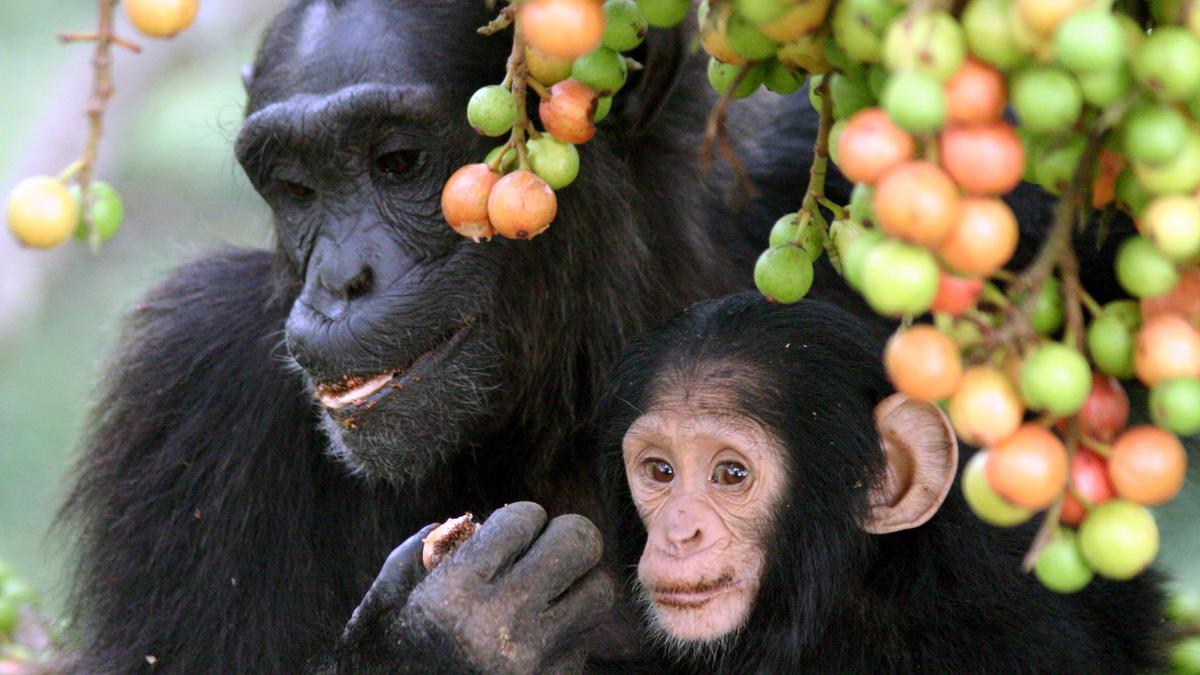
A recent study reveals that wild chimpanzees naturally ingest the equivalent of two cocktails worth of ethanol each day by consuming ripe, fermented fruits. The findings provide insights into primate behavior and the ecological role of naturally fermented foods in their diet.
Study reveals wild chimpanzees consume ethanol equivalent to two cocktails daily from ripe, naturally fermented fruits, shedding light on primate behavior.
Researchers have discovered that wild chimpanzees consume ethanol amounts comparable to two alcoholic cocktails daily through the consumption of ripe, naturally fermented fruits. The findings, published on October 22, 2025, shed light on the natural exposure of primates to alcohol and the behavioral adaptations this exposure entails.
Conducted in natural habitats where chimpanzees forage on seasonal, fermenting fruits, the study measured ethanol levels in the animals’ diets and estimated daily intake. Scientists observed that the primates consume various fruits that undergo natural fermentation on the forest floor, with ethanol concentrations sufficient to produce intoxicating effects.
The investigation was spearheaded by a team of primatologists and biologists who tracked feeding patterns and analyzed the biochemical properties of the fruits. Their research indicates that the chimpanzees imbibe ethanol quantities roughly equivalent to two standard human cocktails per day, sustained naturally without human intervention.
“This study provides unprecedented evidence that chimpanzees regularly consume fermented fruit with significant ethanol content in their diets,” said the lead researcher. “It offers a unique perspective on the relationship between primates and naturally occurring alcohol in their environment.”
Understanding how chimpanzees metabolize and behave under the influence of naturally ingested ethanol may illuminate evolutionary pathways related to alcohol tolerance and consumption in humans. The study also underscores the ecological importance of fermenting fruits in tropical forest habitats.
These findings highlight the potential role of naturally fermented foods in primate nutrition and social behavior. The regular ethanol ingestion might influence feeding decisions, social interactions, and energy balance. Further research is encouraged to explore the broader implications on primate biology and evolutionary history.
In summary, this study establishes that wild chimpanzees regularly consume significant amounts of ethanol through ripe fruits, equivalent to two alcoholic cocktails daily, providing valuable insights into natural alcohol consumption in non-human primates.