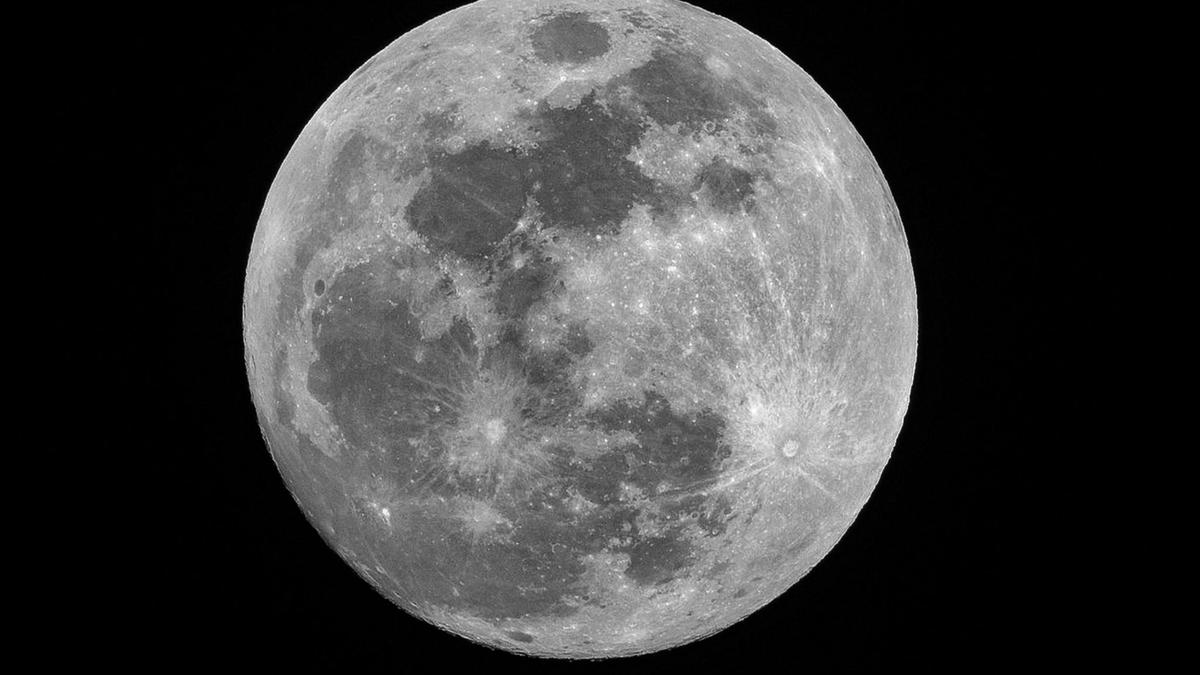
Transient Lunar Phenomena (TLP) are short-lived changes in the brightness or appearance of the lunar surface observed sporadically throughout history. Scientists continue to study these enigmatic events to discern their causes, which range from outgassing to meteorite impacts.
Explore transient lunar phenomena—short-lived lunar surface changes. Understand causes, observations, and ongoing scientific research on these mysterious moon events.
Transient Lunar Phenomena (TLP) refer to brief, unpredictable changes in the appearance of the Moon’s surface that have been reported by astronomers and lunar observers over centuries. These phenomena include sudden bright spots, patches of color, or localized hazes lasting from seconds to hours, sparking curiosity and debate about their origin and nature.
What Are Transient Lunar Phenomena?
TLP are short-duration events on the lunar surface characterized by temporary alterations in brightness, color, or visible texture. Observations describe flashes of light, glowing spots, or obscurations that emerge and fade without leaving any long-term changes. These occurrences have been reported worldwide since the early telescopic study of the Moon but remain relatively rare and unpredictable.
Historical Observations and Significance
The earliest recorded observations of TLP date back to the 6th century, though systematic reports surged following the invention of the telescope in the 17th century. Notably, astronomers like William Herschel and others documented transient flashes and unusual markings on the lunar landscape. Despite skepticism due to their fleeting nature, the consistency of reports has prompted ongoing scientific interest.
Scientific Theories and Causes
Several hypotheses attempt to explain TLP, with prevailing theories focusing on natural lunar processes. One prevalent idea is that TLP result from outgassing events, where trapped gases beneath the Moon’s surface escape, causing localized changes that reflect or emit light differently. Alternatively, impacts by micrometeorites could generate brief flashes or dust clouds altering surface visibility.
Other suggestions include electrostatic levitation of lunar dust triggered by solar wind, or seismic activity causing disturbances. However, a definitive explanation remains elusive, as direct observation and data collection are challenging given the Moon’s environment and the unpredictable nature of TLP.
Modern Research and Observation
In recent decades, advances in lunar reconnaissance and imaging technologies have improved the ability to monitor the lunar surface with higher resolution and continuous coverage. Instruments aboard orbiters such as NASA’s Lunar Reconnaissance Orbiter (LRO) provide detailed data, aiding the search for transient events.
Scientists coordinate observations with ground-based telescopes to capture potential TLP occurrences and verify reports. Despite significant efforts, no universally accepted confirmation of these phenomena’s mechanisms exists, highlighting the need for continued vigilance and research.
Implications for Lunar Science
Understanding transient lunar phenomena has broader implications for lunar geology and exploration. Studying these events contributes to knowledge about the Moon’s geological activity, surface composition, and environmental conditions. Insights gained may also impact the planning of future lunar missions, especially concerning surface stability and potential hazards.
Conclusion
Transient Lunar Phenomena remain one of the Moon’s intriguing mysteries. Although observers have reported brief and localized changes in the Moon’s appearance for centuries, the scientific community continues to explore their origins. Advancements in observational technologies promise to enhance understanding, helping researchers unlock the secrets behind these ephemeral lunar events.