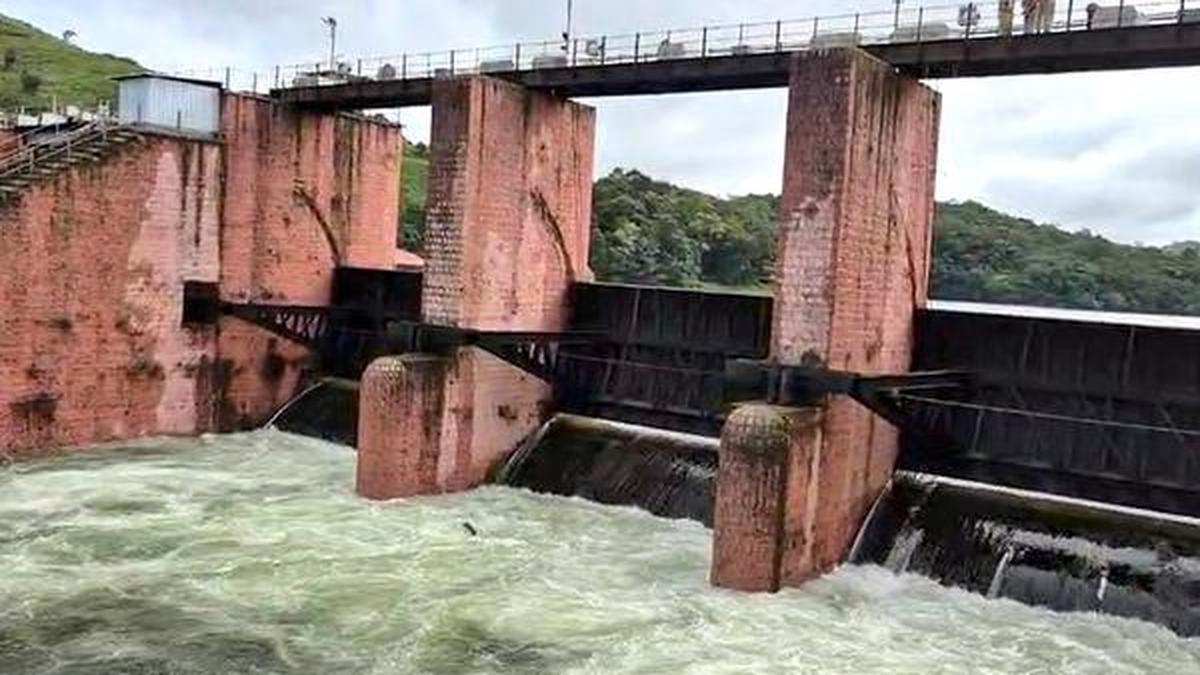
South India is experiencing significant challenges following the early onset of the northeast monsoon, resulting in a ‘triple whammy’ effect. The premature rains and associated weather conditions have disrupted daily life, agriculture, and infrastructure across the region.
South India faces a triple impact due to the early onset of the northeast monsoon, affecting agriculture, infrastructure, and power supply.
South India has been hit by an early onset of the northeast monsoon, creating a ‘triple whammy’ of adverse effects across multiple sectors. Beginning in early October 2025, meteorological departments reported an unexpected shift leading to the early arrival of monsoon rains typically expected later in the season. This sudden change has had widespread impacts, including disruptions to farming cycles, transportation networks, and power supply.
Meteorologists from the India Meteorological Department noted that the early northeast monsoon was driven by unusual atmospheric patterns influenced by shifting pressure systems over the Bay of Bengal and the Tamil Nadu coast. This led to increased rainfall intensity and frequency sooner than usual.
Agriculture, a vital component of South India’s economy, has been one of the hardest hit sectors. Crop sowing schedules were disrupted, with farmers reporting damage to standing crops due to heavy downpours. “The unexpected rains have affected our harvest plans,” stated a local farmer from Tamil Nadu. “Many paddy fields have been waterlogged, and this will impact yields this season.”
In addition to agricultural challenges, the early monsoon has caused significant infrastructural issues. Heavy rains led to flooding in urban and rural areas alike, resulting in traffic congestion, road closures, and damage to essential transport routes. Local authorities have responded with relief efforts and advisories to minimize risk to commuters.
Electricity supply also faced interruptions as the electrical grid struggled with the increased demand and storm-related damages. Power outages were reported in several districts across Tamil Nadu, Kerala, Andhra Pradesh, and Karnataka. Utility companies are working to restore services promptly amid adverse weather conditions.
Experts warn that the early onset of the northeast monsoon could be part of larger climate variability trends affecting the Indian subcontinent. “Changing monsoon patterns pose serious challenges to planning and disaster management,” said Dr. Arvind Kumar, a climatologist at the Indian Institute of Tropical Meteorology. “Understanding these shifts is critical for improving resilience in vulnerable regions.”
Government agencies are closely monitoring weather developments and coordinating with state authorities to address the immediate impacts. Emergency response teams have been deployed in several flood-prone zones, and advisories have been issued to the public to remain cautious during severe weather conditions.
As South India navigates the consequences of the early northeast monsoon, the focus remains on mitigation and adaptation strategies to handle these unexpected climatic events. Stakeholders emphasize the need for enhanced forecasting capabilities and infrastructure-strengthening initiatives to better prepare for future monsoon anomalies.
The early arrival of the northeast monsoon in 2025 thus presents a complex scenario of environmental and socio-economic challenges for South India, requiring coordinated efforts from meteorological experts, government agencies, and local communities.