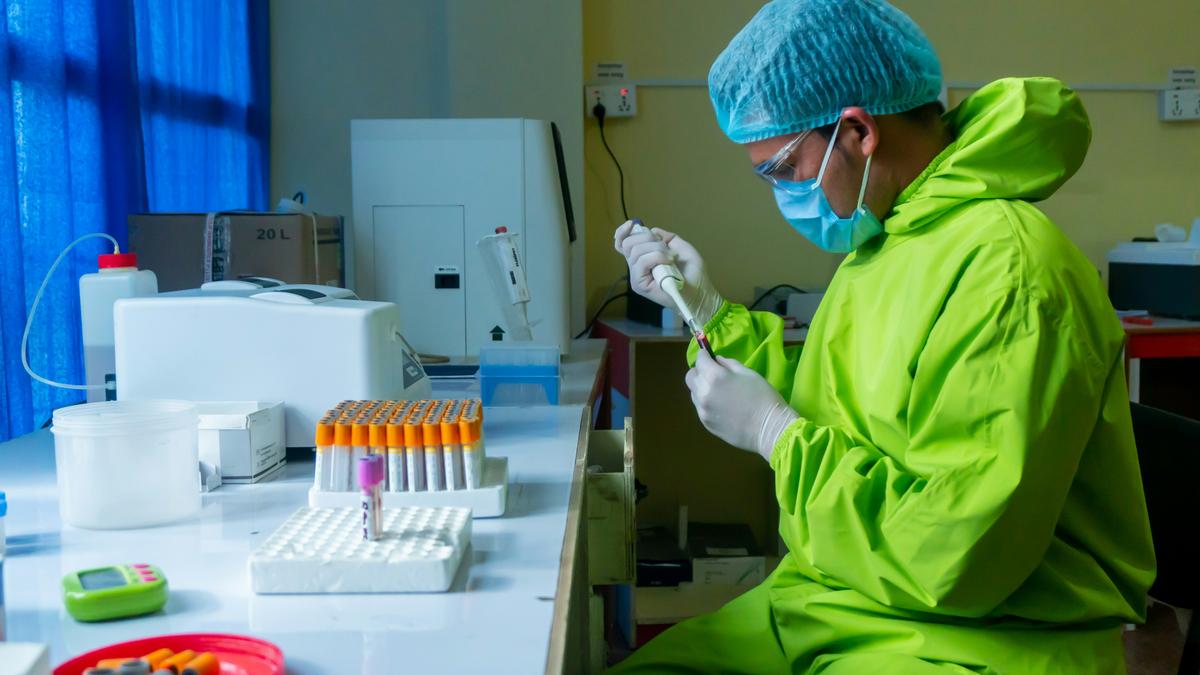
Experts emphasize that embracing immunology research and applications is crucial for India to secure a better future in medicine. Integrating immunological innovations can address public health challenges and boost medical advancements.
India’s future in medicine depends on advancing immunology research and applications to tackle diseases and improve healthcare outcomes.
India is poised for a transformative leap in medical science by focusing on immunology, experts say. On October 20, 2025, health professionals and researchers highlighted that embracing immunology today is key to a better medical future for the country. Immunology, the branch of biomedical science concerned with the immune system and its responses, offers promising solutions ranging from vaccines to treatments for chronic diseases.
Recognizing the significance of immunology, India’s medical community is increasingly advocating for enhanced research, development, and clinical applications within this field. “Immunology holds the potential to revolutionize disease prevention and treatment,” said Dr. Anjali Mehta, an immunologist at the All India Institute of Medical Sciences. “For a populous country like India, strengthening immunological research is essential to combat infectious diseases and emerging health crises.”
India faces unique public health challenges, including a high burden of infectious diseases such as tuberculosis and dengue, alongside a rising prevalence of autoimmune disorders and cancers. Immunological advancements can enable earlier detection, improved vaccines, and personalized medicine approaches tailored to Indian patient demographics.
Government initiatives have begun to reflect this urgency. The Department of Biotechnology and the Indian Council of Medical Research are increasing funding for immunology research projects and encouraging collaborations between academic institutions and biotech companies. “Investing in immunology is not just scientific advancement but a strategic health imperative,” said Health Secretary Rajiv Kumar.
Moreover, recent successes with indigenous vaccine development, including the COVID-19 vaccines, showcased India’s capacity for immunological innovation. Building on these achievements, experts call for sustained focus on training skilled immunologists and expanding laboratory infrastructure.
Educational institutions are adapting curricula to emphasize immunological sciences, aiming to generate a workforce equipped to advance medical research. Private sector players are also contributing by investing in immunotherapy and related technologies.
The integration of immunology into India’s healthcare framework promises to improve disease outcomes, reduce healthcare costs, and foster medical innovations. As the global demographic and disease profiles evolve, India’s proactive engagement with immunology could position it as a leader in medicine in South Asia and beyond.
In conclusion, embracing immunology today is widely regarded as critical for India’s medical future. Enhanced research, funding, and collaborations in immunological sciences are expected to provide effective solutions to the country’s health challenges and help the nation achieve greater medical self-sufficiency.