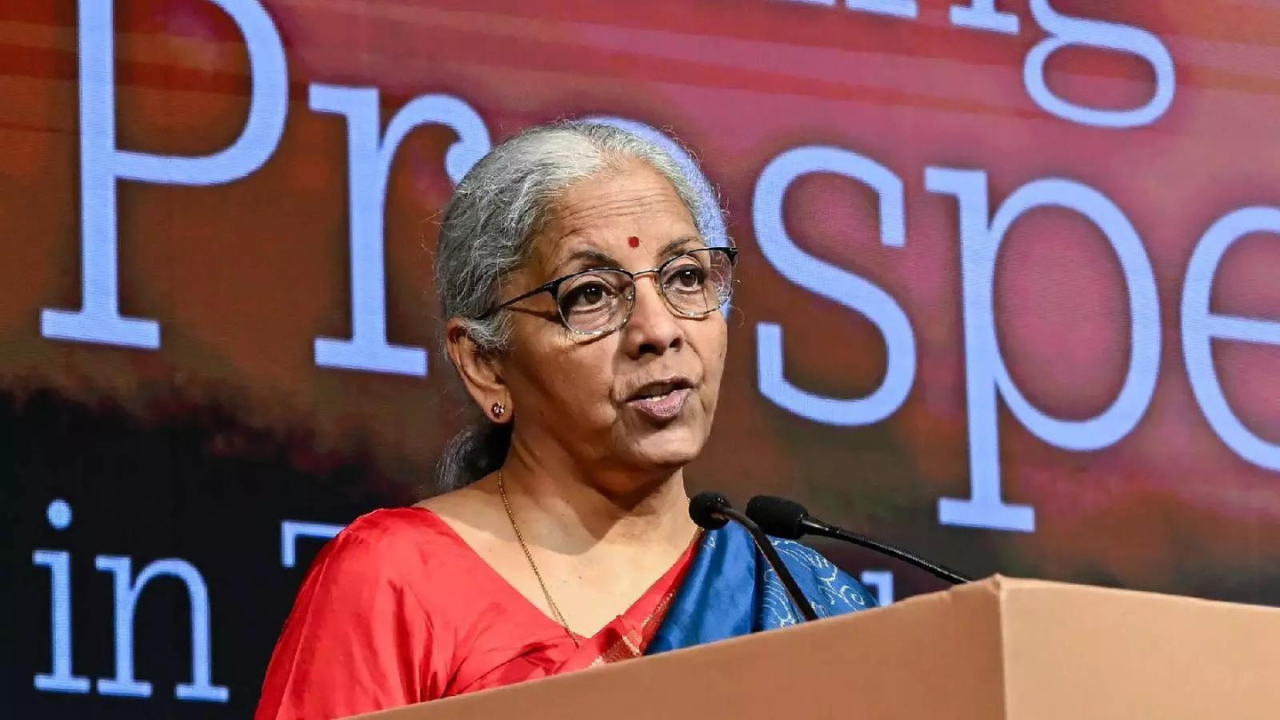
The Finance Minister has called on banks across India to ensure their staff are proficient in the local languages of their operating regions. This initiative aims to improve customer accessibility and foster better communication within the banking sector.
Finance Minister urges banks to ensure staff speak local languages to improve customer service and financial inclusion across India’s diverse regions.
New Delhi – On November 6, 2025, during a key address to banking officials, the Finance Minister emphasized the importance of promoting local language proficiency among bank employees. The directive aims to improve customer engagement and accessibility by encouraging banks to recruit staff fluent in the languages commonly spoken in their respective regions. This initiative reflects the government’s ongoing commitment to inclusive financial services and enhanced customer experience across India’s diverse linguistic landscape.
Prioritizing Local Language Skills in Banking
The Finance Minister highlighted that language barriers often impede effective communication between customers and bank employees, especially in rural and semi-urban areas. By ensuring employees can converse in local languages, banks can significantly reduce misunderstandings, expedite service delivery, and build trust with clients.
“It is imperative that financial institutions listen to their customers in the language they are most comfortable with,” the Minister stated. “This approach will not only improve service quality but also deepen financial inclusion across the country.”
Banking Sector Response and Implementation
Several major banks present at the meeting have expressed readiness to adopt this directive. They recognized that hiring or training staff to become proficient in local languages is both a practical and necessary step to reach a broader customer base.
One senior official from a leading national bank noted, “Incorporating local language skills into our workforce will help us connect better with the community and address their financial needs more effectively.”
The Finance Ministry has encouraged banks to integrate language training programs and prioritize linguistic competence during recruitment processes. The government also suggested collaborating with linguistic experts and regional organizations to facilitate standardized training modules.
Context and Broader Financial Inclusion Efforts
India’s vast linguistic diversity poses unique challenges to the banking sector. While English and Hindi serve as common mediums, a significant number of customers communicate primarily in regional languages. Improving language accessibility is aligned with the broader goal of enhancing financial inclusion, which includes initiatives such as digital literacy campaigns, opening no-frills accounts, and expanding banking infrastructure into underserved areas.
The Reserve Bank of India (RBI) has previously emphasized customer centricity and effective communication, underlining that language proficiency can be a key factor in addressing non-performing assets and customer grievances.
Looking Ahead
The Finance Minister’s call to action marks a strategic effort to humanize banking services and adapt them to the linguistic realities of India’s populace. By fostering a multilingual workforce, banks are expected to not only improve service quality but also encourage more individuals to participate confidently in the formal financial system.
As financial institutions begin implementing these changes, ongoing monitoring and feedback will be crucial to assess the impact on customer satisfaction and operational efficiency.
In summary, the government’s initiative to promote local language proficiency among bank staff underscores the importance of inclusive communication in building a robust and customer-friendly banking environment across India.