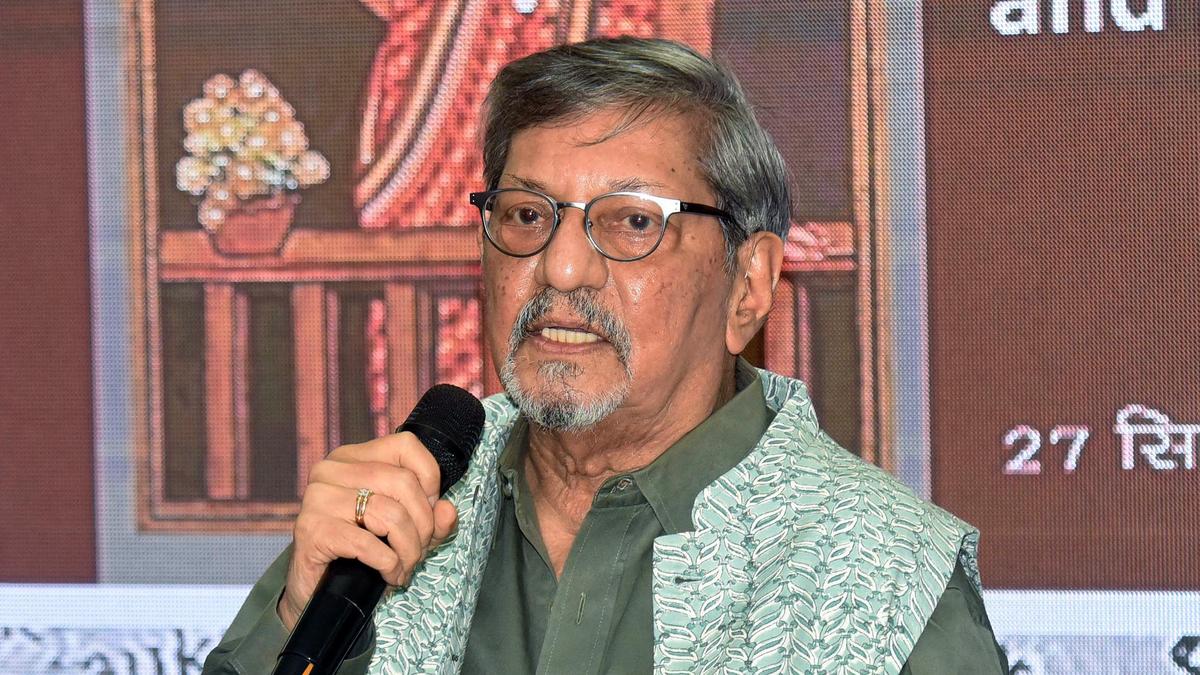
The High Court is set to hear veteran actor and director Amol Palekar’s plea challenging the pre-censorship of dramas and theatrical plays, a legal battle ongoing for over a decade. This case raises significant questions about artistic freedom and censorship in performing arts across India.
The High Court to hear Amol Palekar’s decade-old plea challenging pre-censorship of dramas, highlighting key issues of freedom of expression in Indian theatre.
The High Court will soon revisit the longstanding plea filed by renowned actor and director Amol Palekar against the pre-censorship of dramas and theatrical performances, marking a significant moment in the debate on censorship and creative freedom in India. The hearing, scheduled after more than ten years since the initial filing, underscores the ongoing tensions between artistic expression and regulatory oversight in the cultural sector.
Amol Palekar, a celebrated figure in Indian theatre and cinema, first approached the judiciary over a decade ago to contest the requirement of obtaining prior approval from censorship boards before staging plays. His plea argued that such pre-censorship violates fundamental rights guaranteed under the Indian Constitution, particularly the right to freedom of speech and expression under Article 19(1)(a).
Context and Background
In India, theatrical performances are traditionally subject to scrutiny by government-appointed committees or censorship boards, which review scripts and performances in advance. Critics of pre-censorship contend that this process stifles creativity, imposes undue restrictions, and leads to arbitrary bans or modifications of content. Supporters argue that such oversight is necessary to maintain public order and cultural sensitivities.
Amol Palekar’s legal challenge reflects growing concerns within the artistic community about excessive censorship. In his plea, Palekar maintained that theatre, as a form of artistic expression, should not be constrained by pre-approval mechanisms that amount to state control.
Legal Proceedings
The case has progressed slowly through the judicial system, facing various procedural delays. On November 6, 2025, the High Court announced it would hear the plea, signaling renewed judicial attention toward the issue. Legal analysts anticipate that the court’s ruling could set a precedent impacting not only drama but other performing arts in India.
In previous arguments, advocates representing Palekar emphasized the difference between prior restraint and post-performance accountability, suggesting that any regulation should occur only after the performance, via penalties or legal redress if necessary, rather than through advance censorship.
Impact on Theatre and Freedom of Expression
The outcome of this case carries considerable implications for playwrights, directors, actors, and theatre groups nationwide. Pre-censorship has often led to self-censorship among artists fearful of legal or governmental repercussions, affecting the diversity and boldness of theatrical presentations.
Moreover, the case touches on broader themes regarding the balance between cultural norms and individual freedoms. It resonates with ongoing debates about censorship in digital media, cinema, and literature, reinforcing the significance of constitutional protections for creative expression.
Conclusion
As the High Court prepares to hear Amol Palekar’s plea against pre-censorship of dramas and plays after a decade, the proceedings mark a pivotal moment for artistic rights in India. The case underscores the ongoing struggle to define the limits of censorship and uphold freedom of expression in the performing arts sector. The court’s eventual judgment will likely influence how theatrical content is regulated and could encourage a shift toward more liberal policies that favor artistic autonomy.