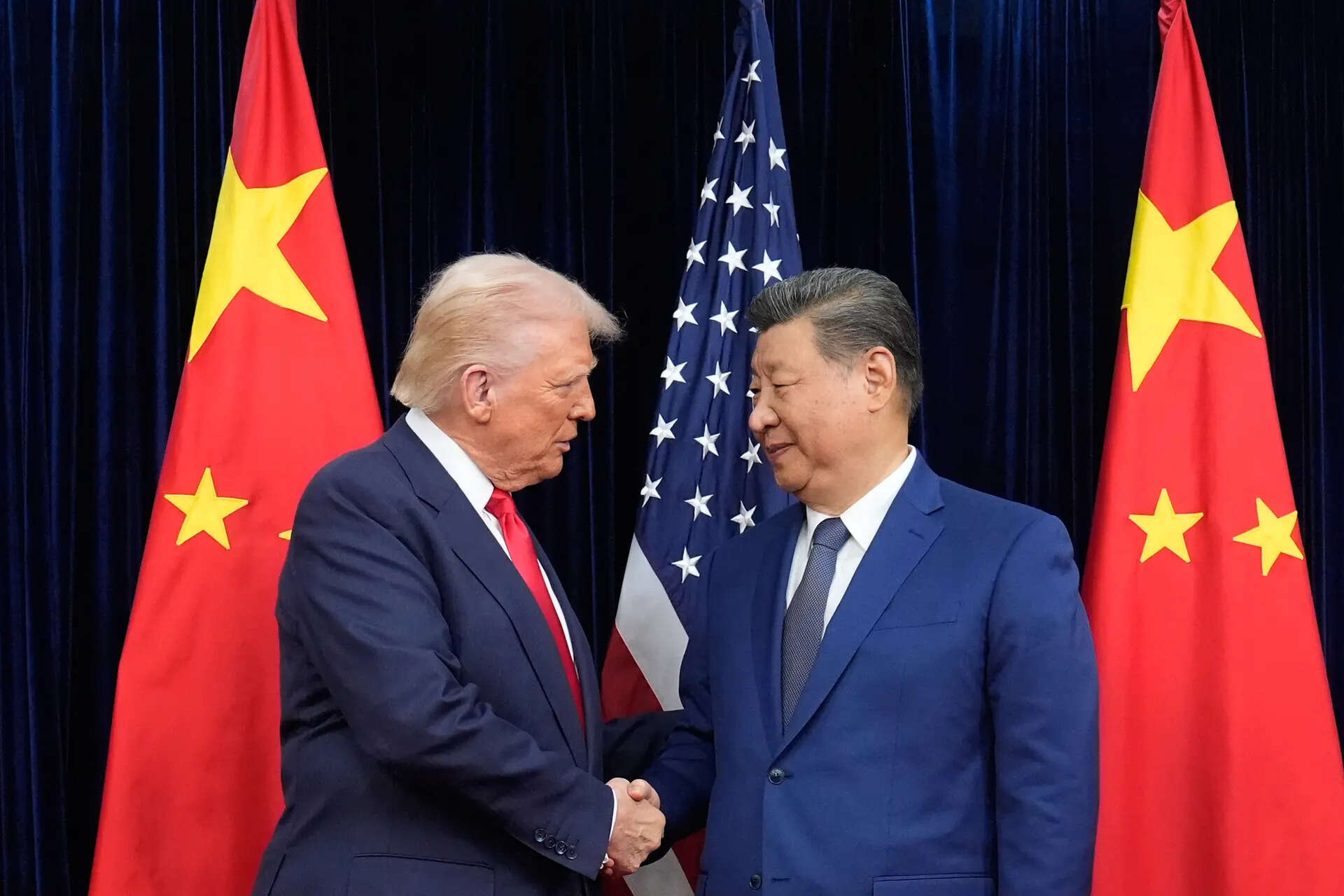
China’s recent move to impose stricter controls on rare earth exports is complicating former President Trump’s hopes to fully lift US restrictions. The new Chinese policy highlights ongoing geopolitical tensions and supply chain vulnerabilities in the critical minerals sector.
China tightens rare earth export controls, challenging US hopes to lift Trump-era restrictions and affecting global supply chains and high-tech industries.
China has recently announced heightened controls on the export of rare earth elements, a move that threatens to upend former US President Donald Trump’s aspirations of a complete rollback of restrictions on these critical materials. Announced on November 6, 2025, the Chinese government’s decision comes amid escalating geopolitical tensions and global concerns over rare earth supply chains, which are vital for manufacturing high-tech products, including electronics, electric vehicles, and defense systems. Rare earth elements, a group of 17 metallic elements, are integral to the production of magnets, batteries, and various high-performance components. China currently dominates the global supply, providing approximately 80% of the world’s rare earths, a position that has frequently been a source of economic leverage in international trade disputes. Trump’s administration had imposed several restrictions and tariffs aimed at reducing US dependence on Chinese rare earths, while also seeking to boost domestic production and diversify supply chains. However, the recent Chinese export constraints pose a significant obstacle to fully rolling back those restrictions, stalling efforts to normalize trade relations. The restrictions include tighter quotas on export volumes and increased bureaucratic scrutiny over shipments, effectively limiting rare earth availability on the international market. Industry experts warn that these measures could drive up global prices and exacerbate existing supply chain bottlenecks. Michael Chen, Senior Analyst at the International Minerals Council, commented, “China’s move signals its intent to maintain strategic control over rare earth supplies. This not only impacts global markets but also complicates US strategies to secure alternative sources.” The US government has expressed concern over the developments, emphasizing the strategic necessity of securing reliable rare earth supplies from allied nations and ramping up domestic mining and processing capabilities. In response, the Biden administration has accelerated partnerships with countries such as Australia, Canada, and several European nations to develop more resilient and diversified supply chains. Meanwhile, domestic policymakers are considering additional incentives for rare earth mining projects and recycling initiatives. Analysts suggest that the likelihood of a full rollback of Trump-era restrictions is diminishing in the near term, given China’s firm stance. The move underscores the persistent geopolitical challenges inherent in critical mineral markets and the intertwined nature of trade policy and national security considerations. The new Chinese export controls come at a time when the global demand for rare earths is projected to surge dramatically, driven by the accelerating adoption of electric vehicles and renewable energy technologies. Supply disruptions could have ripple effects across multiple industries worldwide, highlighting the strategic importance of rare earths as a geopolitical commodity. In conclusion, China’s recent imposition of tighter rare earth export controls significantly undermines former President Trump’s hopes of fully lifting US restrictions on these vital resources. The ongoing geopolitical tension and supply chain vulnerabilities reinforce the necessity for the United States to diversify its sources and bolster domestic capabilities. As the rare earth market evolves, international cooperation and strategic investments will be critical to ensuring stable access to these essential materials.