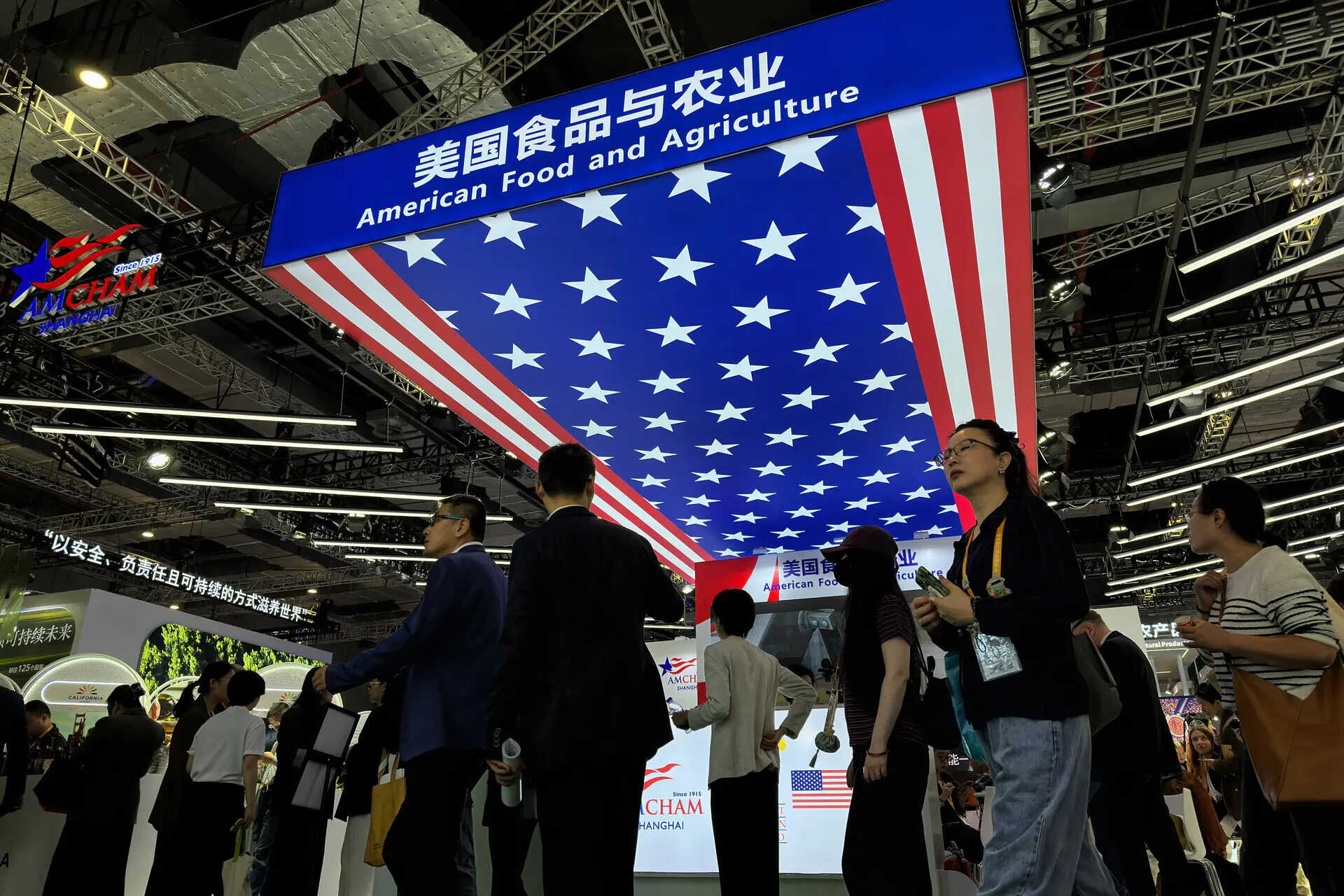
China’s exports declined in October, primarily due to subdued demand from the United States amid ongoing tariff measures initiated during the Trump administration. The overall global trade outflows also registered a 1.1% dip in the same period, reflecting persisting challenges in international commerce.
China’s exports fell in October 2025 due to weak US demand amid ongoing tariffs; global trade outflows also dropped 1.1%, signaling broader economic challenges.
China’s export sector experienced a notable decline in October 2025, with data revealing a downturn largely attributable to sluggish demand from the United States. The continued imposition of tariffs, introduced during the Trump administration, has weighed heavily on bilateral trade, contributing significantly to the reduced export figures. According to the latest trade reports, China’s exports decreased compared to previous months, signaling ongoing pressures in the global trade environment.
Impact of US Tariffs on China’s Export Performance
The United States remains one of China’s largest trading partners, and the tariffs established over the past few years have continued to suppress demand for Chinese goods. Analysts point out that these trade barriers have made Chinese products less competitive in the US market, leading to a contraction in export volumes. The tariffs, initially designed to address trade imbalances and intellectual property concerns, have had enduring effects on export dynamics.
Global Trade Outflows Also Decline
Beyond China, global trade outflows experienced a downturn, recording a 1.1% decrease in October 2025. This drop highlights broader economic challenges affecting international commerce, including geopolitical uncertainties, supply chain disruptions, and shifting market demands. The contraction in trade flows suggests that multiple factors are influencing the global economic landscape beyond the Sino-American trade tensions.
Economic Context and Implications
Experts suggest that the decline in China’s exports, combined with the global dip in trade outflows, may signal a period of adjustment for international markets. Businesses reliant on global supply chains might face increased volatility, and policymakers could need to reassess trade strategies to stimulate growth.
Chinese government officials have acknowledged these challenges and are reportedly exploring measures to diversify export markets and enhance domestic consumption to mitigate external pressures. Meanwhile, trade experts emphasize the importance of resolving underlying trade disputes to foster a more stable and predictable trading environment.
Conclusion
October’s data underscores the ongoing impact of US tariffs on China’s export performance, with diminished demand leading to decreased shipments. The concurrent decline in global trade outflows by 1.1% reflects wider obstacles confronting international trade. Monitoring these trends will be essential for assessing future economic developments and crafting responsive trade policies.