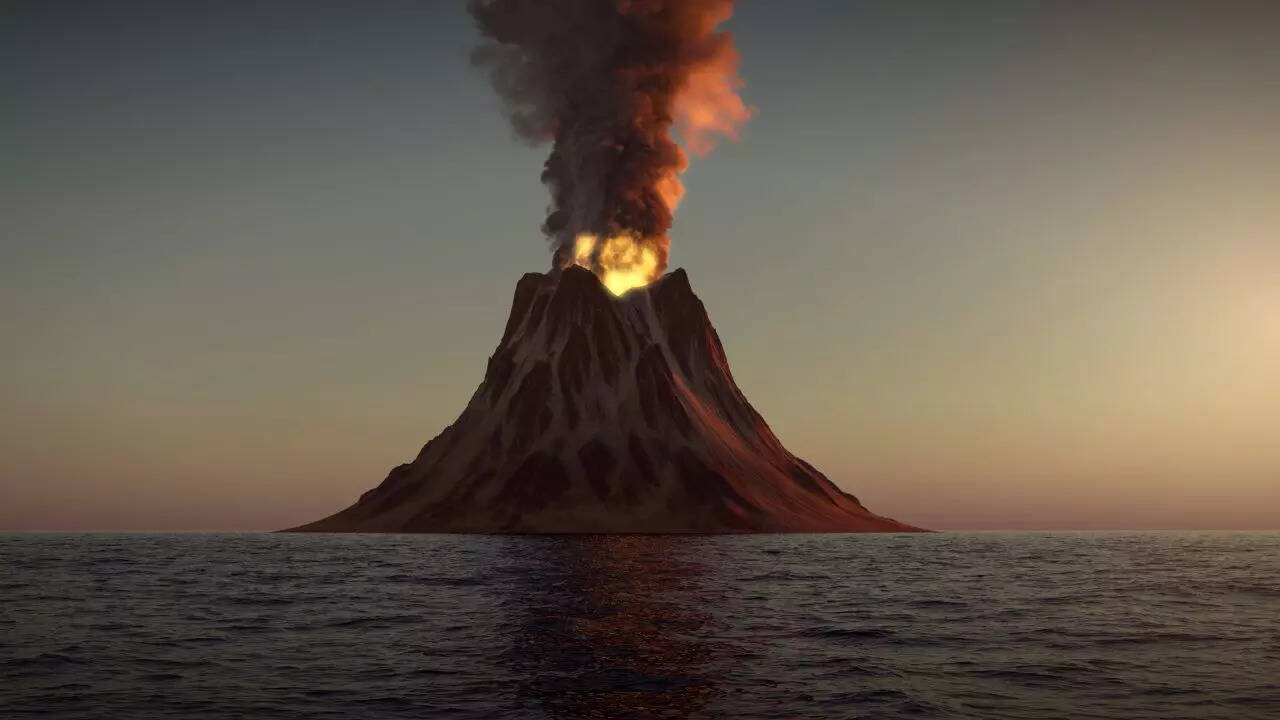
Underwater volcanoes, also known as submarine volcanoes, form beneath the ocean’s surface through tectonic activity along mid-ocean ridges and hotspots. Their eruptions play a significant role in shaping the seafloor and influencing marine ecosystems.
Explore how underwater volcanoes form, their eruption processes, and their significant impact on marine environments and ecosystems.
Volcanoes are well-known geological features on land, but many volcanic activities also occur beneath the ocean. These underwater or submarine volcanoes form through processes that are critical to understanding Earth’s geology and marine environment. Scientists have extensively studied how these volcanoes originate, erupt, and impact their surroundings, shedding light on an essential part of Earth’s dynamic system.
Formation of Underwater Volcanoes
Underwater volcanoes primarily form at tectonic plate boundaries, particularly along mid-ocean ridges where plates are diverging. As the oceanic plates separate, magma from the mantle rises to fill the gaps, cooling rapidly upon contact with seawater to create new oceanic crust. This upwelling magma builds up over time to create underwater volcanic structures.
Another form of formation occurs at hotspots — areas where plumes of magma rise through the mantle independently of tectonic plate boundaries. When these plumes reach the ocean floor, they result in volcanic islands or seamounts.
Eruptions Beneath the Waves
Eruptions of submarine volcanoes differ significantly from those on land due to the high pressure and cold temperature environment underwater. Magma interacts swiftly with seawater, often resulting in explosive eruptions that emit steam, gas, and volcanic materials. These eruptions can produce pillow lava formations — distinctive bulbous shapes formed when lava cools rapidly underwater.
While many underwater eruptions go unnoticed due to their remote locations and depths, some can be detected using seismographs, underwater sensors, and satellite technology. In rare cases, submarine eruptions have triggered tsunamis or created new islands.
Environmental Impact and Marine Life
Underwater volcanic activity has profound effects on marine ecosystems. The release of minerals and chemicals during eruptions enriches ocean waters, contributing to the growth of hydrothermal vents communities. These vents support unique organisms, such as tube worms and extremophile bacteria, that thrive in harsh conditions devoid of sunlight.
However, eruptions can also disrupt habitats and alter ocean chemistry locally. The sudden temperature changes and emission of gases may impact nearby marine species, sometimes leading to temporary ecological disturbances.
Scientific Importance and Future Research
Studying submarine volcanoes provides valuable insights into plate tectonics, geothermal processes, and Earth’s internal heat flow. Researchers continue to develop more advanced underwater monitoring techniques, including remotely operated vehicles (ROVs) and autonomous underwater vehicles (AUVs), to better understand these elusive geological features.
In conclusion, underwater volcanoes are dynamic geological systems formed mainly at tectonic boundaries and hotspots beneath the ocean surface. Their eruptions shape the seafloor, influence ocean chemistry, and support unique marine life. Ongoing research is crucial for advancing knowledge of Earth’s processes and assessing the environmental implications of submarine volcanic activity.