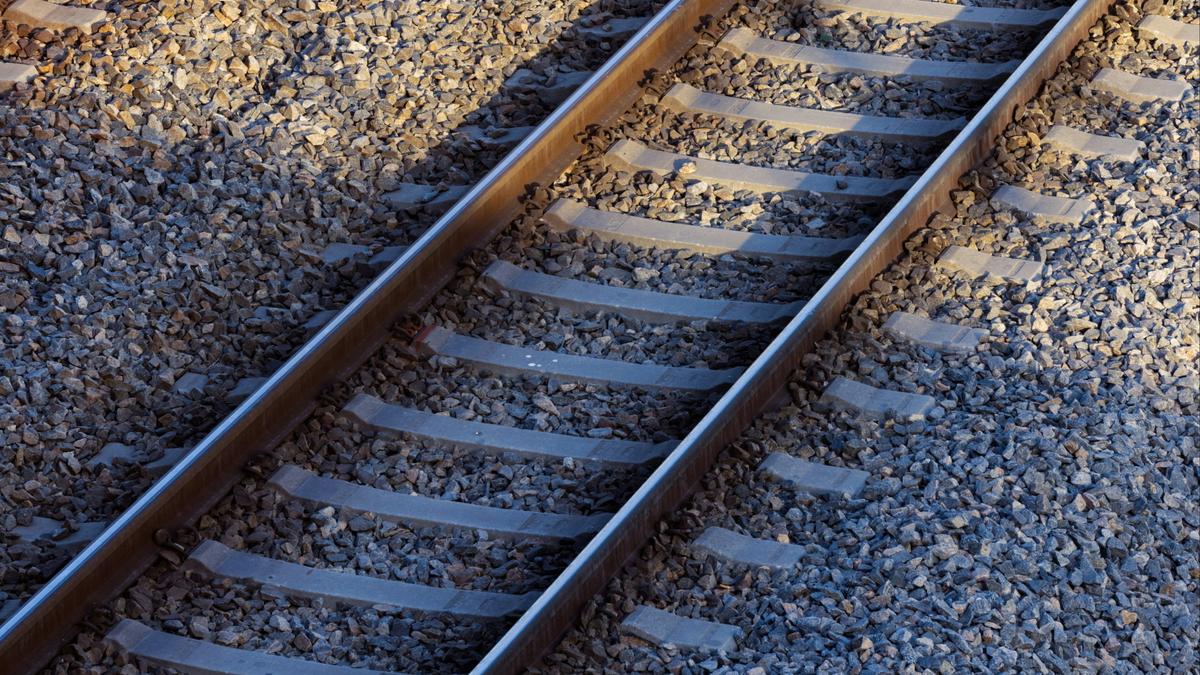
Crushed stones, known as ballast, are a crucial component beneath railway tracks, providing stability, drainage, and support. This article explores the reasons behind using crushed stones on railway beds and their role in ensuring safe and efficient train travel.
Discover why crushed stones, or ballast, are used beneath railway tracks to provide stability, drainage, and support for safe train operations.
Railway tracks are often seen stretching across landscapes without much thought to their foundation, but beneath every track lies a critical layer of crushed stones known as ballast. This layer plays an essential role in maintaining the track’s stability and safety. Experts explain that crushed stones are deliberately placed beneath railway tracks to serve multiple key functions that directly impact the durability and efficiency of railway infrastructure.
Understanding Railway Ballast
Ballast consists of coarse crushed stones, ideally granite or other hard, wear-resistant rock. These stones provide a solid base for the railway sleepers (also called ties), distributing the weight of passing trains evenly and preventing the tracks from shifting. The angular surfaces of the crushed stones interlock when compacted, which helps resist movement caused by the dynamic loads generated by trains.
The Importance of Drainage
One of the primary reasons crushed stones are used beneath tracks is to facilitate drainage. Rainwater and other forms of moisture need to be efficiently drained away to prevent water accumulation around the tracks, which can weaken the subgrade—the soil or material beneath the ballast. The gaps between the stones allow water to flow through quickly, reducing the risk of erosion and track deformation caused by waterlogging.
Safety and Maintenance Benefits
By maintaining the track’s alignment, ballast improves safety by preventing derailments and reducing track wear. It also acts as a cushion, absorbing vibrations and reducing the impact forces transmitted through the rails and sleepers to the ground. This cushioning effect prolongs the lifespan of railway components and reduces maintenance costs. Additionally, crushed stones deter vegetation growth around the tracks, which can otherwise interfere with track integrity.
Historical and Practical Use
The use of ballast dates back to the early days of railway construction during the 19th century and has remained a standard practice worldwide. Its effectiveness has been validated over decades, making it an indispensable element of modern rail infrastructure. Railway engineers continually optimize the size and type of stones used to enhance performance and sustainability.
Expert Insights
According to railway engineering specialists, the thickness and composition of the ballast layer depend on factors such as train speed, axle load, and environmental conditions. ‘‘Proper selection and maintenance of ballast are critical to safe railway operations,’’ notes one expert involved in track design. Routine inspections and cleaning ensure that ballast continues to perform effectively.
Conclusion
Crushed stones beneath railway tracks are more than just a foundation material; they are vital to the functionality and safety of rail transport. Through providing stability, effective drainage, and absorbing dynamic forces, ballast ensures the longevity and reliability of railway systems. As rail networks expand and modernize, the role of crushed stones remains fundamental in supporting the global movement of goods and passengers safely and efficiently.