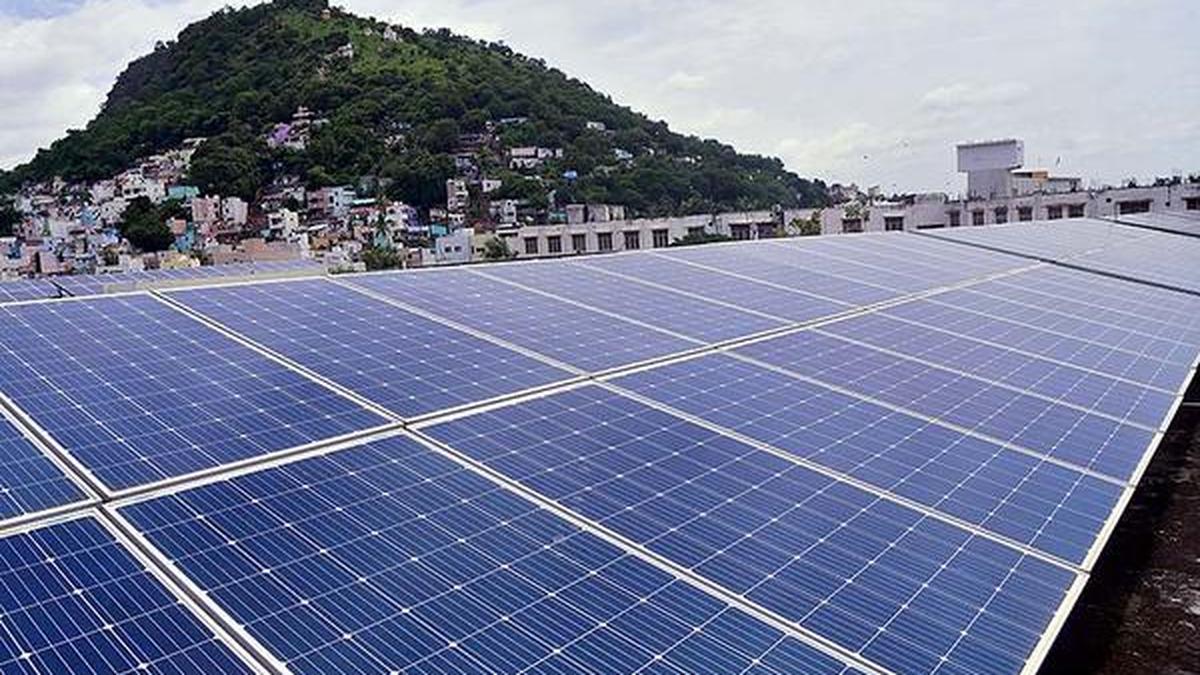
A recent study warns that India could generate up to 11 million tonnes of solar panel waste by 2047, highlighting the urgent need for sustainable waste management strategies. The rapidly growing solar energy sector, while crucial for the country’s clean energy goals, poses significant environmental challenges due to end-of-life solar panel disposal.
India could generate 11 million tonnes of solar panel waste by 2047, highlighting urgent need for sustainable solar waste management and recycling solutions.
India’s expanding solar energy infrastructure, crucial for meeting its renewable energy targets, may produce up to 11 million tonnes of solar panel waste by 2047, according to a recent study published on November 6, 2025. The findings signal potential environmental challenges as large volumes of solar photovoltaic (PV) panels reach their end of life, underscoring the urgency for effective waste management and recycling solutions. The study, highlighted by The Hindu, analyzed India’s solar capacity growth trajectories and panel lifespan estimates to forecast waste generation over the next two decades. As solar installations surge amid India’s commitment to increase renewable energy capacity, the volume of discarded solar panels is expected to rise correspondingly. India’s solar power capacity has been growing rapidly due to favorable government policies and its aim to achieve a net-zero carbon footprint by 2070. However, experts caution that the environmental benefits of solar power must be balanced against the challenges of managing the resultant waste, which includes hazardous materials such as lead and cadmium. Without proper protocols, accumulation of solar panel waste could lead to soil and water contamination. Industry stakeholders and environmental researchers stress the importance of establishing regulatory frameworks for solar waste recycling. Some pilot projects and technological developments focusing on recovering valuable materials from spent panels are underway, but a scalable, systematic approach is needed to manage the expected waste volumes effectively. The study also recommends the integration of circular economy principles in India’s solar sector, emphasizing the reuse and recycling of solar panels to reduce environmental impact and dependence on raw materials. Policymakers are urged to accelerate the formulation of guidelines and infrastructure investments dedicated to solar waste management. In summary, while solar power adoption remains pivotal to India’s clean energy ambitions, the looming solar panel waste crisis presents a critical environmental challenge. Proactive measures, including policy interventions, technological innovation, and public-private collaboration, will be essential to sustainably address the disposal and recycling of solar PV panels as India approaches 2047.