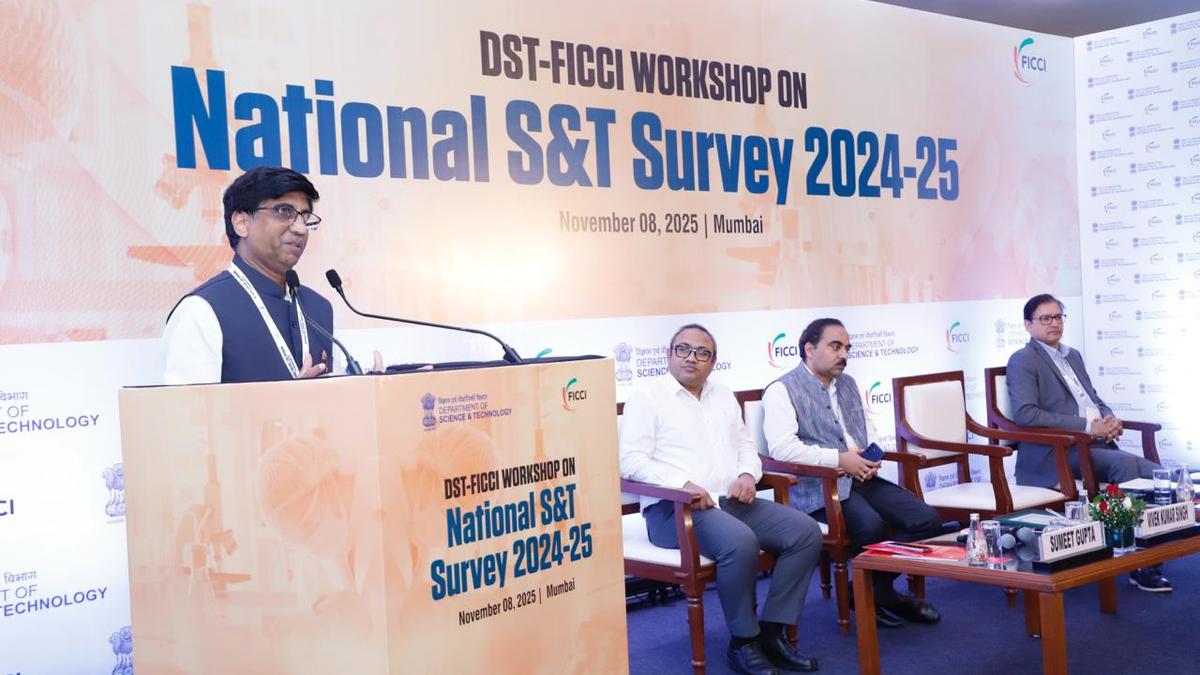
India’s Department of Science and Technology (DST) has called for a substantial increase in research and development (R&D) spending to accelerate innovation and economic growth. Emphasizing the need to bridge the gap between academia and industry, the DST outlined strategies to enhance collaboration and funding in the R&D sector.
India’s DST calls for increased R&D investment to boost innovation, enhance industry-academia collaboration, and drive economic growth.
New Delhi – The Department of Science and Technology (DST) of India has urged both public and private sectors to significantly boost their investment in research and development (R&D) as a strategic measure to enhance innovation and drive economic growth. This call was made during a press briefing held on November 9, 2025, in New Delhi, where DST officials highlighted the critical role of increased R&D expenditure in positioning India as a global innovation hub.
Boosting R&D Spending: A National Priority
India currently allocates a modest percentage of its GDP to R&D activities, lagging behind major global economies. The DST has pointed out that elevating this expenditure is essential to developing cutting-edge technologies and fostering a vibrant innovation ecosystem. According to DST Secretary Dr. Arvind Sharma, “Strengthening R&D investment is crucial for fostering technological self-reliance and ensuring sustainable economic progress.” The department has recommended targeted initiatives to incentivize increased funding, especially from the private sector, which presently contributes a relatively small portion of total R&D spending.
Bridging the Academia-Industry Divide
A significant barrier to maximizing the impact of R&D activities in India remains the disconnect between academic research and industrial application. DST emphasized creating stronger collaboration frameworks between universities, research institutions, and industry players to facilitate the commercialization of research outputs. Programs designed to support joint ventures, technology transfer, and incubation centers are being prioritized to cultivate an innovation-driven marketplace.
Policy Support and Infrastructure Development
In addition to increasing funding, the DST outlined plans to enhance policy support and infrastructure for R&D. This includes simplifying regulatory processes, boosting grant opportunities, and investing in research facilities across the country. The department is also focusing on fostering talent development through specialized training and international collaborations, aiming to build a robust foundation for sustained R&D excellence.
Economic and Social Impact
Experts acknowledge that augmenting R&D investments can have widespread benefits, including job creation, improved competitiveness, and advancement in sectors such as healthcare, agriculture, and information technology. DST’s initiative aligns with the government’s broader vision of transforming India into a knowledge economy capable of competing on a global scale.
Industry Response and Challenges
While the call for increased R&D spending has been welcomed by several industry stakeholders, challenges such as funding constraints, risk aversion, and regulatory hurdles remain. Industry representatives have highlighted the need for clear incentives and streamlined processes to encourage more substantial private sector participation in R&D activities.
Conclusion
The DST’s appeal to ramp up R&D expenditure reflects a strategic effort to strengthen India’s innovation landscape by encouraging greater investment, fostering collaborations, and improving policy frameworks. These measures are expected to contribute significantly to the country’s economic development and technological advancement in the years ahead.