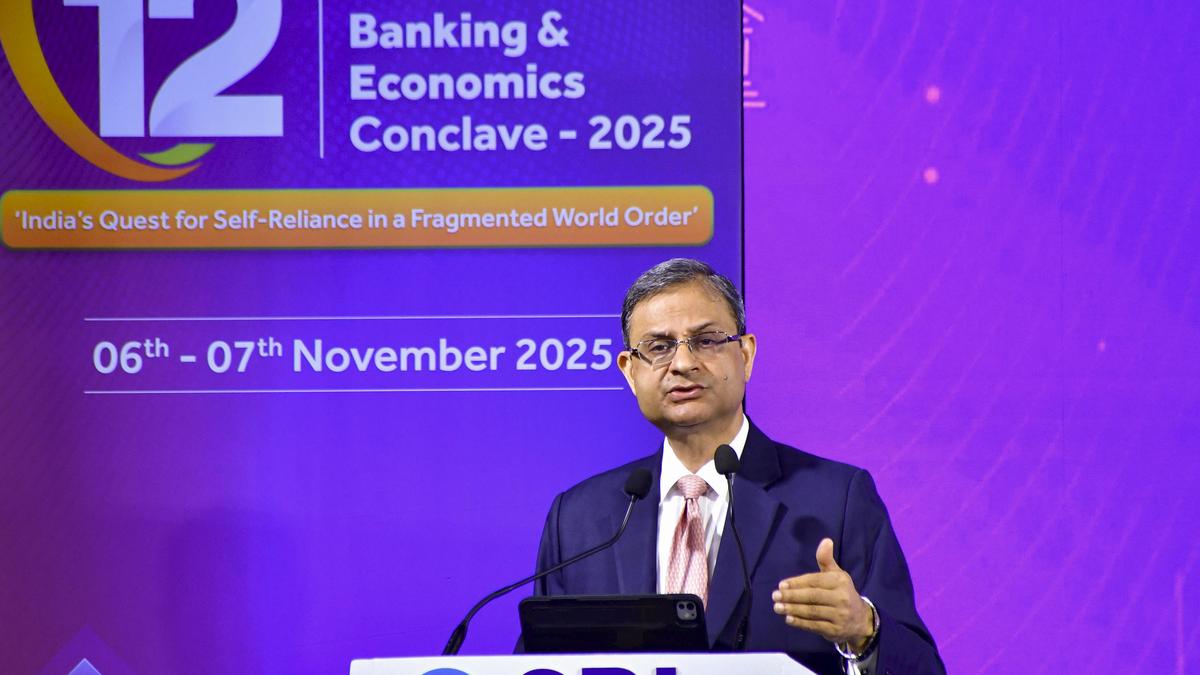
Indian banks have evolved significantly in the last ten years, demonstrating enhanced resilience, technological adoption, and improved governance, according to industry expert Malhotra. This progress positions the sector strongly amid both domestic and global economic challenges.
Indian banks have significantly matured over the past decade, improving stability, technology adoption, and governance, says banking expert Malhotra.
In a recent statement, veteran banker Malhotra highlighted the substantial strides made by Indian banks over the past decade, emphasizing their increased maturity and robustness. Speaking on November 7, 2025, Malhotra pointed out that the banking sector in India has undergone transformative changes, driven by regulatory reforms, technological advancements, and better risk management practices.
According to Malhotra, Indian banks today exhibit a level of sophistication and stability far superior to what was seen ten years ago. “The institutions have not only improved their capital base but also enhanced their operational frameworks to manage credit and market risks more effectively,” he remarked.
The evolution is evident in several key areas, including the widespread adoption of digital banking technologies, improved customer service, and more stringent regulatory oversight. The push towards digitalization has enabled banks to offer faster, more convenient services while expanding financial inclusion to previously underserved segments of the population.
Furthermore, Indian banks have strengthened their balance sheets, reducing non-performing assets (NPAs) through proactive measures and tighter credit evaluation. The Reserve Bank of India’s prudential norms and timely interventions have played a pivotal role in this turnaround. Malhotra underscored the importance of continual improvement in governance standards and risk assessment to sustain growth.
Experts also noted that the sector’s maturity has enhanced investor confidence domestically and internationally, attracting foreign investments and fostering economic development. The resilience displayed amid economic headwinds, including inflationary pressures and global uncertainties, reflects the robust foundations built over the last decade.
Looking ahead, Malhotra advocated for continued innovation and agility within the banking landscape. “To maintain momentum, banks must embrace cutting-edge technologies and adapt to evolving customer expectations while ensuring compliance and risk mitigation,” he added.
In summary, the Indian banking industry has transformed markedly since 2015, emerging as a more mature, efficient, and reliable pillar of the nation’s economy. This progress signals strong prospects for sustainable financial sector growth in the years to come.