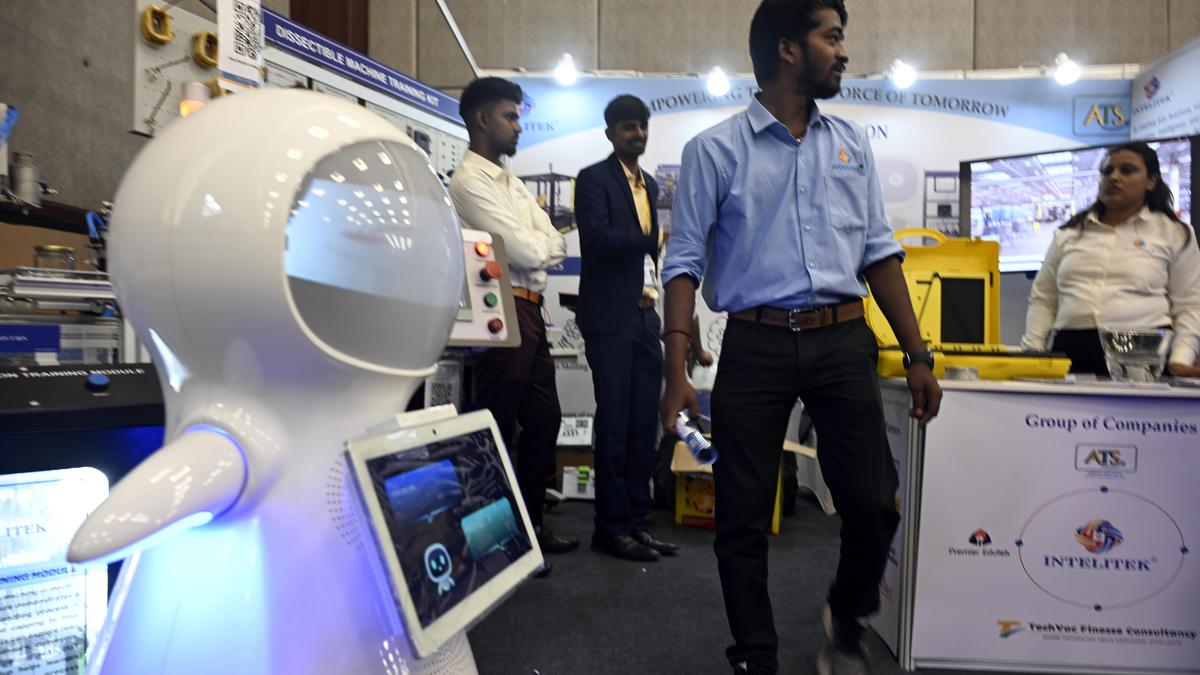
The CEO of NITI Aayog has stated that skilling in India is often regarded as an extracurricular activity rather than a core educational focus. This observation underscores the need for integrating skill development into mainstream curricula to better prepare the workforce for emerging economic demands.
NITI Aayog CEO states that skilling in India is treated as an extracurricular activity, calling for it to become integral to education and workforce development.
New Delhi – On November 5, 2025, the CEO of NITI Aayog, the policy think-tank of the Indian government, addressed concerns regarding the perception of skill development within India’s education system. During a recent conference, the CEO emphasized that skilling is predominantly viewed as an extracurricular activity rather than an essential component of education and career preparation.
Skilling: An Overlooked Priority
Despite rapid economic growth and evolving labor market demands, skill development programs in India have often been treated as supplementary rather than integral. This relegation has contributed to a workforce that struggles to meet the skill requirements of emerging industries, limiting India’s potential in sectors such as manufacturing, technology, and services.
The CEO highlighted that the traditional educational framework largely focuses on theoretical knowledge and academic achievements, often sidelining practical skill-building. As a result, many students and young professionals enter the workforce without the hands-on competencies needed for immediate employment or entrepreneurship.
Policy Implications and Recommendations
NITI Aayog has long advocated for policy reforms aimed at embedding skill development into formal education systems. The CEO reiterated the importance of integrating vocational training and skill-based learning from early stages of schooling to bridge the gap between education and employment.
“Skilling should not be seen as an optional add-on but as a fundamental pillar of education that equips our youth to thrive in an evolving job market,” the CEO stated. To facilitate this shift, the government plans to expand collaborations with industry partners and vocational institutions to enhance curriculum relevance and training quality.
Economic Context and the National Skill Development Mission
India’s demographic dividend offers immense potential for economic growth, but only if the workforce is adequately skilled. The National Skill Development Mission, initiated by the government, aims to train millions of youth annually across diverse sectors. However, the CEO pointed out that progress remains uneven, partly due to the stigma around vocational education.
Efforts are underway to change societal perceptions by promoting skill development as a prestigious and viable career path. Encouragingly, increased digital transformation and government initiatives such as the Skill India campaign have begun to raise awareness and participation rates.
Looking Ahead
The CEO concluded by urging stakeholders—including educational institutions, policymakers, industries, and students—to work collectively towards mainstreaming skill development. This collaborative approach will, according to the CEO, better align India’s human resources with global economic trends and technological advancements, thereby driving inclusive growth and employment generation.
Overall, the comments from NITI Aayog’s CEO highlight a critical challenge and an opportunity within India’s education and labor sectors. Elevating skilling from an extracurricular to a core element of education could be instrumental in unlocking the country’s economic potential in the coming decades.