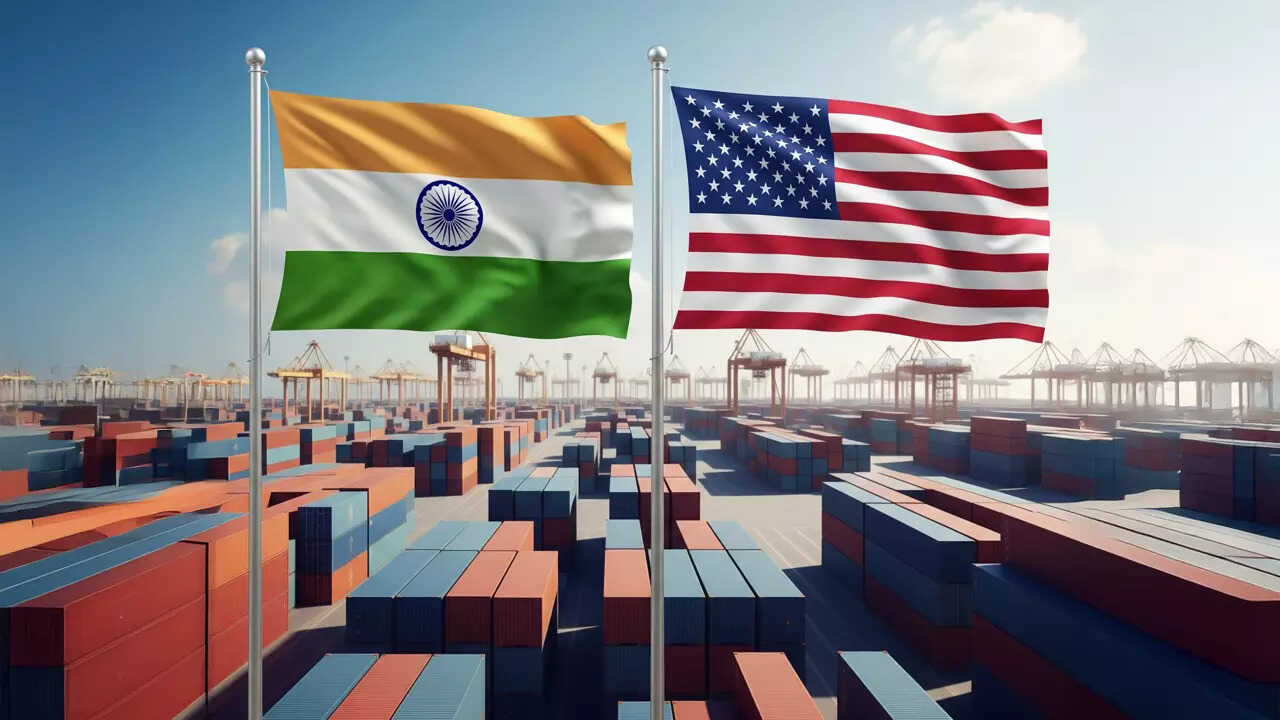
A former Trump administration official highlighted the challenges in finalizing an India-US trade deal, attributing delays to the complicated geopolitical dynamics stemming from India’s ties with Russia. Despite multiple rounds of negotiations and progressing talks, the trade agreement remains unresolved due to these strategic concerns.
Former Trump official cites India’s Russia ties as key obstacle in India-US trade deal, highlighting complex geopolitical challenges delaying agreement.
WASHINGTON D.C. – Efforts to secure a comprehensive India-US trade deal have faced persistent challenges, largely due to the complex geopolitical situation involving India’s strategic relationship with Russia. A former senior official from the Trump administration noted on Monday that while negotiations have advanced significantly and have come close to fruition multiple times, the deal remains elusive because of these complications. The official, who spoke on condition of anonymity, stated, “We’ve been so close many times, but the geopolitical environment surrounding India’s ties with Russia creates substantial hurdles to finalizing an agreement.”
The India-US trade discussions have spanned several years, focusing on enhancing bilateral commerce, addressing tariff barriers, and improving cooperation in sectors such as technology, agriculture, and defense. Both countries share a mutual interest in expanding trade volumes to boost their economic partnerships. However, India’s long-standing defense and energy cooperation with Russia—especially amid ongoing global tensions—has complicated negotiations.
Impact of India’s Russia Relations on Trade Talks
India remains a strategic partner of Russia, sourcing a significant portion of its defense equipment and crude oil from Moscow. This relationship has drawn scrutiny from Washington, particularly as the United States imposes sanctions and diplomatic pressures related to Russia’s international engagements. The former Trump official elaborated, “The United States has to balance advancing its trade and economic interests with India while simultaneously addressing concerns over Russian influences and actions in the global arena. This balancing act has been a critical factor in slowing down the trade deal process.”
Negotiators from both sides have reportedly engaged in numerous working group discussions intended to bridge policy gaps, but the geopolitical sensitivity regarding Russia has consistently emerged as a sticking point. India’s emphasis on maintaining its strategic autonomy has further complicated attempts to align positions fully.
Progress and Ongoing Negotiations
Despite these challenges, recent dialogues have demonstrated increased willingness on both sides to explore compromises. Trade experts believe that leveraging sectors of mutual interest such as digital economy, clean energy, and infrastructure could provide pathways to a more comprehensive agreement in the future.
Analysts note that the Biden administration’s approach to India-US relations favors engagement that balances geopolitical and economic factors. Meanwhile, Indian officials continue to emphasize a multi-aligned foreign policy approach that accommodates longstanding ties without severing relations.
Implications for Bilateral Relations
A successfully negotiated trade deal could significantly enhance bilateral trade, which stood at approximately $150 billion in recent years, fostering new opportunities for businesses and consumers in both countries. However, the complexity arising from India’s diplomatic stance on Russia remains a critical consideration for policymakers seeking to cement this strategic partnership.
In summary, while India and the United States have repeatedly approached agreement on a trade deal, geopolitical realities—particularly India’s ties with Russia—have created a complicated landscape. Both nations continue to engage in dialogue, indicating potential future breakthroughs despite past setbacks.