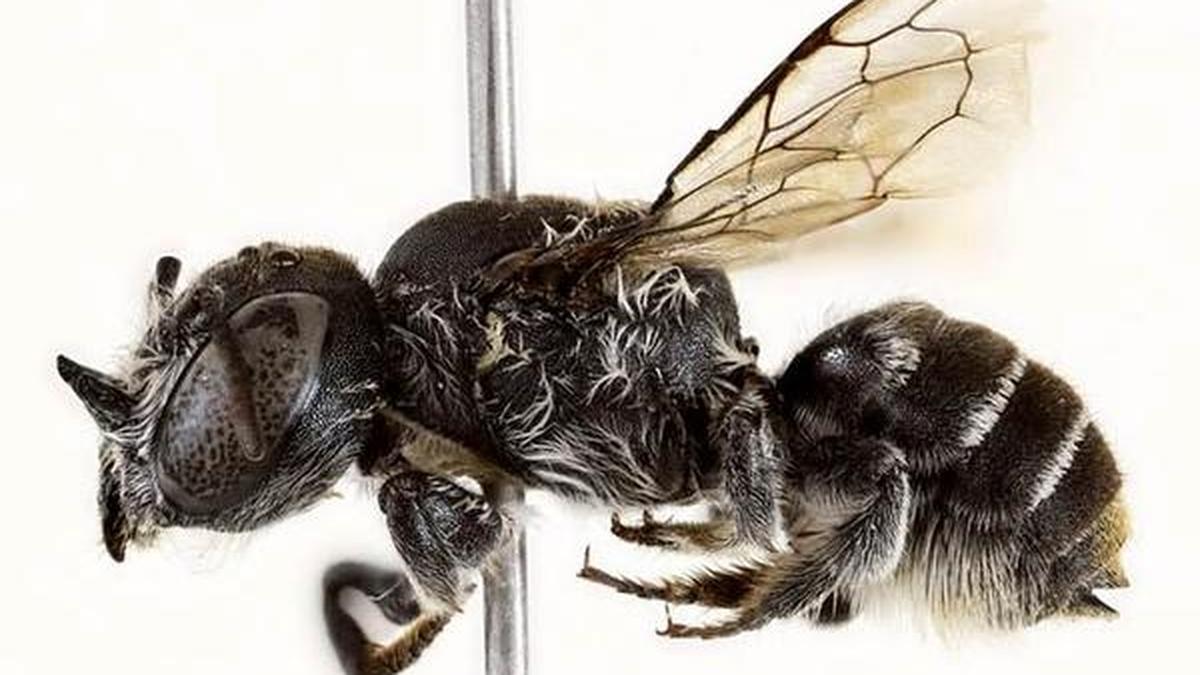
Australian researchers have discovered a new species of bee, dubbed the ‘lucifer’ bee, notable for its unique devil-like horns. The discovery provides new insights into bee biodiversity and highlights the importance of ongoing entomological research.
Australian scientists discover a new ‘lucifer’ bee species with unique devil-like horns, enhancing understanding of bee biodiversity and evolution.
Australian scientists have announced the discovery of a new species of bee, named the ‘lucifer’ bee, distinguished by its unusual devil-like horns. The discovery was made during a recent entomological survey in Australia, where researchers identified the species as previously unknown to science.
The new bee species features prominent horn-like structures on its head, which have drawn comparisons to the mythical figure Lucifer, hence the nickname. These distinctive physical characteristics set the lucifer bee apart from other documented species, providing scientists with fresh material for studying bee morphology and evolutionary traits.
Dr. Emily Johnson, lead entomologist at the University of Sydney and part of the research team, explained that the horns likely serve specific biological functions, possibly related to mating rituals or defense mechanisms. “This discovery is significant because it adds to our understanding of the diversity and adaptation strategies among bees,” Dr. Johnson noted.
The bee was discovered in the northeastern regions of Australia, known for their rich biodiversity and unique ecosystems. The research team conducted extensive fieldwork, collecting specimens and conducting genetic analysis, which confirmed the lucifer bee as a new species.
Bees are crucial pollinators in ecosystems worldwide, and understanding their diversity is vital for conservation efforts and maintaining ecological balance. The revelation of the lucifer bee underscores the ongoing need to explore and document insect species, many of which remain unidentified.
Australian biodiversity remains a hotspot for new species discoveries, particularly insects. According to the research publication, the lucifer bee is part of the genus Amegilla, a group of native Australian bees known for their diverse physical forms and roles in pollination.
The scientific community has welcomed the discovery, which contributes to the global inventory of bee species and offers potential avenues for further research into bee behavior, ecology, and evolution. Conservationists emphasize that protecting habitats where such unique species thrive is essential to sustaining biodiversity.
In conclusion, the identification of the lucifer bee with its distinctive devil-like horns marks a notable advancement in entomology and biodiversity studies in Australia. The discovery highlights the rich insect fauna present in Australian landscapes and the importance of continuous scientific exploration.