Pressurized spacesuits are vital for astronauts to survive and operate safely in the harsh environment of space. These suits provide life support, including oxygen supply and temperature regulation, while protecting astronauts from vacuum, radiation, and micrometeoroids during extravehicular activities.
Explore why astronauts wear pressurized spacesuits to survive and work safely in space, providing life support, protection, and mobility during spacewalks.
Astronauts venturing into the vacuum of space rely on highly specialized pressurized spacesuits to survive and perform their duties. These suits are designed to create a stable internal environment that safeguards the wearer from the extreme conditions encountered beyond Earth’s atmosphere.
The primary purpose of pressurized spacesuits is to maintain a breathable atmosphere around the astronaut’s body when outside the spacecraft. In space, there is no atmospheric pressure, which can cause bodily fluids to vaporize and lead to life-threatening conditions such as ebullism. To prevent this, the suit applies consistent pressure, mimicking Earth’s atmosphere, which helps maintain normal physiological functions.
Moreover, spacesuits provide astronauts with essential life support. They supply oxygen for breathing and remove carbon dioxide exhaled by the astronaut. Advanced temperature regulation systems within the suit manage the drastic temperature fluctuations experienced in space—from blistering heat when exposed to the Sun to extreme cold in shadowed areas. Without these mechanisms, astronauts would be unable to survive the severe thermal environment.
Additionally, pressurized suits shield astronauts from harmful space radiation and tiny high-velocity micrometeoroids that can puncture the skin or suit materials. Layers of protective fabric and materials are integrated to mitigate these risks, enhancing astronaut safety during extravehicular activities (EVAs) such as spacewalks or repairs outside the International Space Station (ISS).
The history of pressurized spacesuits traces back to the early days of human spaceflight. Initial designs evolved from high-altitude pressure garments used by pilots, progressively incorporating more sophisticated life support and protection features. Today’s spacesuits represent the culmination of decades of research and technological advancements.
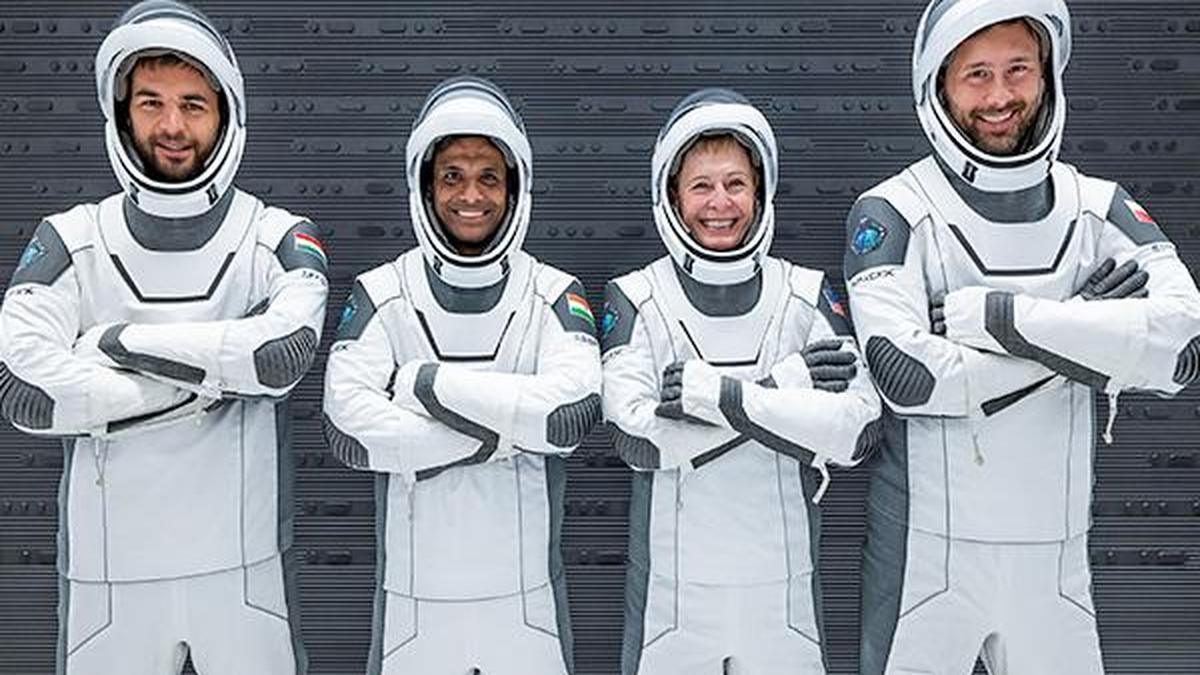
Modern suits like NASA’s Extravehicular Mobility Unit (EMU) or SpaceX’s Crew Dragon suits are custom-fitted and incorporate multiple layers that perform distinct functions, including thermal insulation, micrometeoroid protection, and communication systems enabling astronauts to stay in contact with their team.
In conclusion, pressurized spacesuits are indispensable for astronaut safety and mission success in the vacuum of space. They provide a controlled environment that supports life, regulates temperature, protects against space hazards, and enhances mobility, allowing astronauts to work effectively beyond the confines of their spacecraft.