Forensic experts play a critical role in the aftermath of blast incidents by meticulously collecting and analyzing evidence to determine the cause and perpetrators. This article explains the step-by-step procedures followed by forensic teams at blast sites to uncover vital information that aids investigations.
Explore how forensic experts investigate blast sites through evidence collection, analysis, and crime scene reconstruction to aid in solving explosions.
In the wake of a blast incident, forensic experts swiftly move to the site to conduct a comprehensive investigation aimed at uncovering clues that can aid in identifying the perpetrators and understanding the sequence of events leading to the explosion. Their work is pivotal in bringing clarity to chaotic scenes and supporting law enforcement agencies.
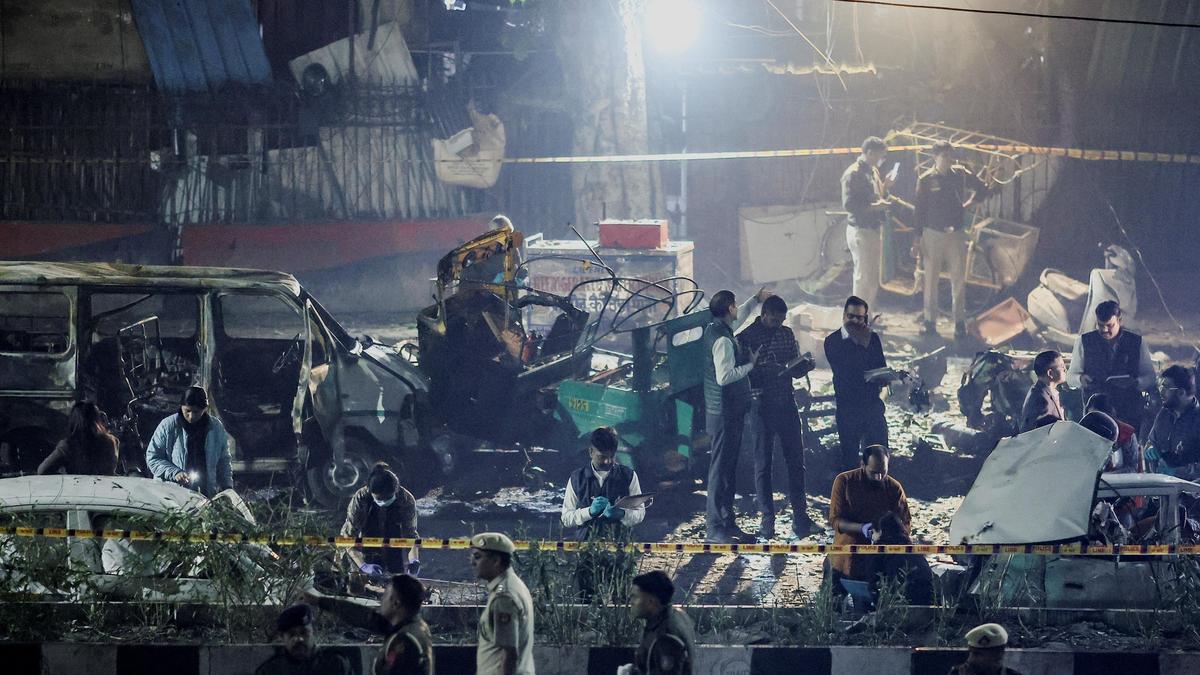
The forensic examination process begins with securing the blast site to prevent contamination or loss of evidence. Experts then perform a systematic survey of the area, documenting the scene with photographs, sketches, and videos. This detailed recording preserves the layout and condition of the site before any items are moved.
One of the primary objectives is to recover explosive residues and fragments of devices used in the blast. Forensic specialists carefully collect debris, fragments, and soil samples to analyze chemical traces that can indicate the type of explosives involved. These analyses typically involve techniques like gas chromatography-mass spectrometry (GC-MS) and scanning electron microscopy.
Additionally, forensic teams search for human remains, personal belongings, and any materials that can provide insights into the identity of victims or suspects. DNA profiling and fingerprint analysis often follow to confirm identities and link individuals to the blast site.
Expert forensic investigators also examine blast patterns and structural damage to reconstruct the blast dynamics. Studying the distribution of debris and crater formations helps in estimating the magnitude and origin point of the explosion.
Throughout the process, collaboration with bomb disposal units, law enforcement, and intelligence agencies ensures that all findings are integrated into broader investigative efforts. Timely forensic analysis can often expedite identifying responsible parties, which is crucial for public safety and justice.
The role of forensic experts after blasts extends beyond the immediate investigation. Their thorough documentation and analysis are essential for legal proceedings and enhancing safety protocols to prevent future incidents.
In summary, forensic experts employ a meticulous and methodical approach at blast sites, combining scientific analysis with investigative techniques to unravel the complexities of such events. Their work remains indispensable in the pursuit of truth and accountability following explosive incidents.