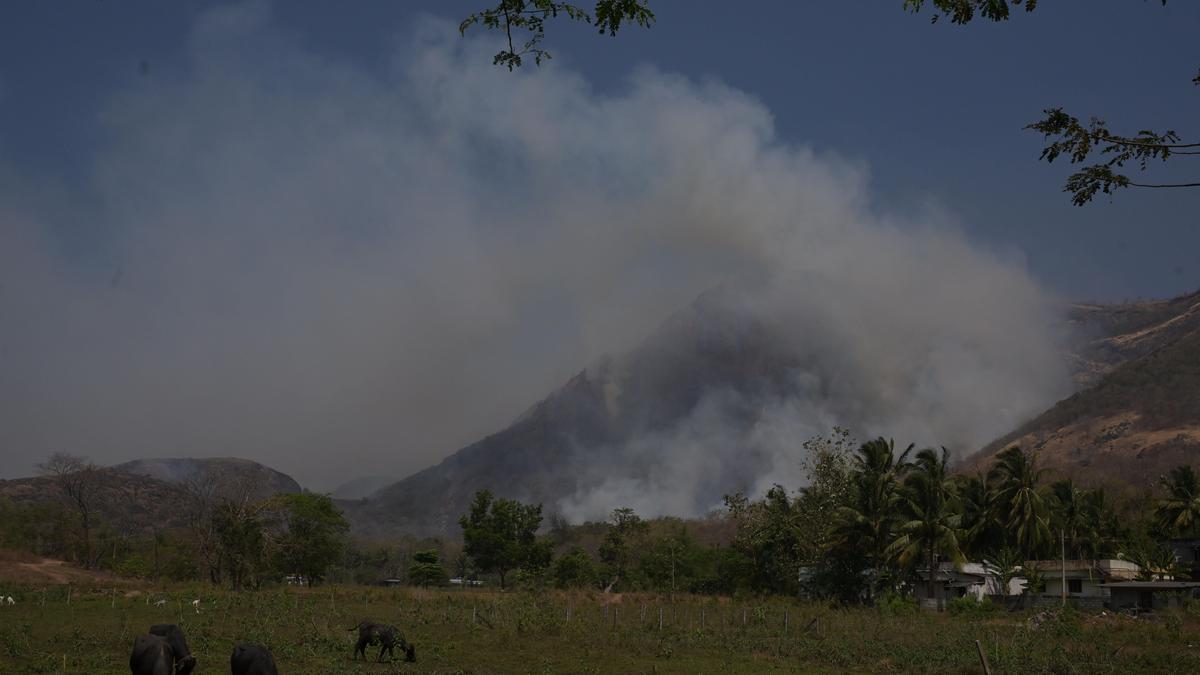
India is actively pursuing a balance between economic development and environmental sustainability by integrating climate justice principles into its green transition efforts. The country aims to address the challenges of climate change while promoting equitable growth and reducing carbon emissions.
India advances its green transition by balancing economic growth with climate justice, focusing on renewable energy and inclusive sustainable development.
India, one of the world’s fastest-growing economies, is making concerted efforts to reconcile economic expansion with the pressing demands of climate change and climate justice. As global attention intensifies on sustainable development, India faces the critical challenge of reducing its carbon footprint without hindering its developmental trajectory. The government’s initiatives highlight a strategic approach to advance a green transition that is inclusive, equitable, and economically viable.
Balancing Growth and Sustainability
India’s economic aspirations remain high, driven by its vast population and rapid urbanization. However, the environmental costs associated with industrialization and energy consumption have alarmed policymakers and environmentalists alike. Recognizing this, India has incorporated climate justice into its development policies, which involves not only reducing emissions but ensuring that vulnerable and marginalized communities benefit from sustainable growth.
The Indian government has reinforced its commitment through various schemes promoting renewable energy sources such as solar and wind power, which form the backbone of the country’s clean energy strategy. Initiatives like the National Solar Mission aim to scale up solar energy capacity, helping reduce dependence on fossil fuels. At the same time, programs supporting energy efficiency and sustainable agriculture contribute to lowering the overall carbon footprint.
Addressing Climate Justice
Climate justice in India focuses on the disproportionate impact of environmental degradation on low-income populations. Rural communities, indigenous groups, and the urban poor are particularly vulnerable to climate-related hazards such as droughts, floods, and heatwaves. India’s policies prioritize protecting these groups by ensuring access to clean energy, sustainable livelihoods, and improved infrastructure.
Experts emphasize the importance of community participation in these initiatives. By integrating local knowledge and addressing socio-economic disparities, India aims to craft solutions that are not only environmentally sound but socially inclusive.
International Cooperation and Commitments
India’s approach aligns with its commitments under the Paris Agreement to reduce carbon emissions intensity and expand renewable energy capacity. The country actively participates in global climate negotiations, advocating for equity and support from developed nations. Financial and technological assistance remain pivotal in facilitating India’s transition to a low-carbon economy.
Challenges and Future Outlook
Despite significant progress, India faces challenges such as energy demand surges, infrastructure deficits, and balancing industrial growth with environmental concerns. The transition requires overcoming systemic barriers, fostering innovation, and strengthening regulatory frameworks.
Looking ahead, India is poised to enhance its green initiatives through increased investment in sustainable technologies and resilient infrastructure. By embedding climate justice principles at the core of its policies, India seeks to achieve a sustainable development model that benefits all its citizens while contributing to global climate goals.