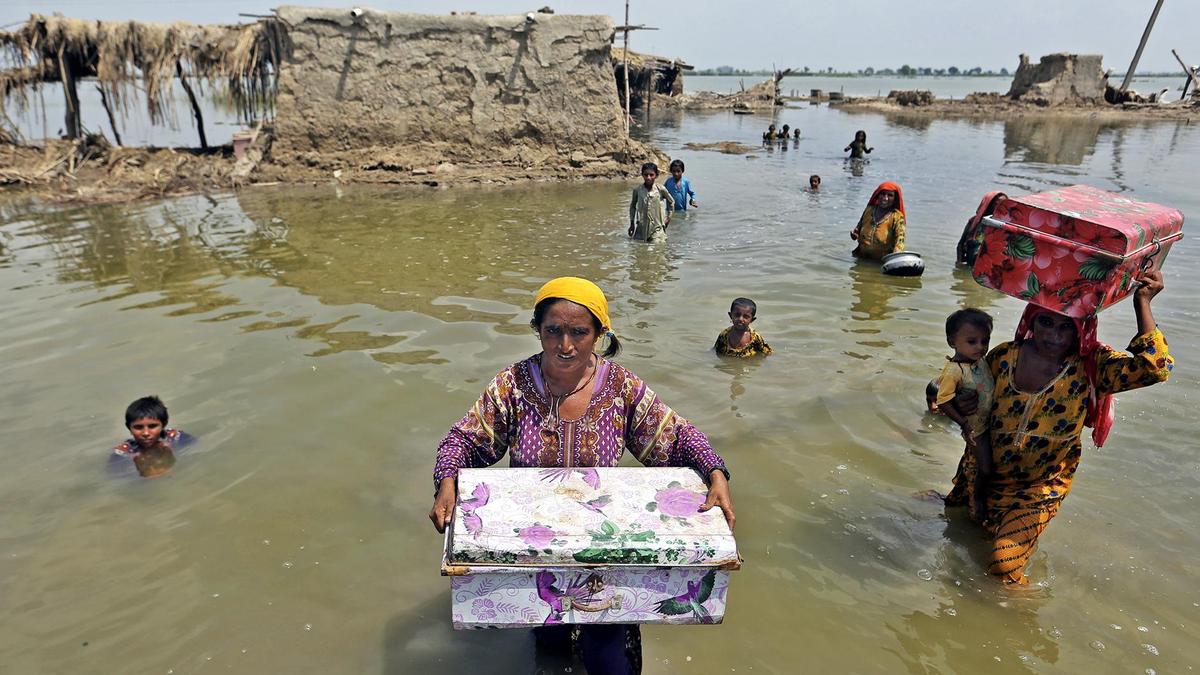
The ‘Loss and Damage’ fund, aimed at addressing climate change impacts, has seen complex developments involving India’s participation and stance. As the fund’s structure and financing mechanisms remain under negotiation, India navigates its role amid global climate discourse to balance responsibilities and vulnerabilities.
Explore India’s pivotal role and evolving position in the international ‘Loss and Damage’ fund addressing climate change impacts and finance.
The Emergence of the Loss and Damage Fund
At the 2023 United Nations Climate Change Conference (COP28), the establishment of a dedicated ‘Loss and Damage’ fund marked a significant milestone in global climate finance. Designed to provide financial assistance to countries vulnerable to climate-induced damages and disasters, the fund seeks to address gaps in adaptation efforts and loss recovery. Since its inception, the fund’s operational modalities, contributions, and governance have been subjects of intensive international deliberations.
India’s Position and Engagement
India, as a rapidly developing nation experiencing increasing climate vulnerabilities, occupies a nuanced place in the discourse surrounding the Loss and Damage fund. Official representatives and climate policy experts from India have emphasized the importance of equitable burden-sharing and clarity on funding sources. While India acknowledges the urgency of supporting vulnerable nations, it also highlights the differentiated responsibilities of developed and developing countries in mitigating climate change impacts.
Negotiations on Fund Contributions
One of the contentious issues has been determining which countries will contribute financially to the fund. Developed nations, historically responsible for the majority of greenhouse gas emissions, are viewed as primary contributors. India advocates for mechanisms that reflect historical emissions and current capacities rather than imposing disproportionate obligations on emerging economies. This stance aligns with India’s broader climate diplomacy, which calls for climate justice and financial support without compromising developmental priorities.
Challenges in Fund Operationalization
The implementation of the Loss and Damage fund faces multiple challenges, including defining eligible recipients, types of losses covered, and ensuring transparent, effective disbursement of funds. India’s policymakers have reiterated the need for robust governance structures that prevent misuse and ensure funds reach communities on the frontline of climate disasters. Additionally, India is investing in domestic resilience-building measures, illustrating a dual approach of international cooperation and national preparedness.
International Implications and Future Outlook
The trajectory of the Loss and Damage fund will significantly impact global climate resilience strategies. India’s role as a key player in international climate negotiations suggests it will continue to influence fund governance and financing models. As climate impacts intensify, the fund’s effectiveness in fostering solidarity and delivering timely support remains under close observation by the global community.
Conclusion
India’s evolving involvement in the Loss and Damage fund underscores the complexities inherent in global climate finance mechanisms. Balancing development imperatives with climate responsibility, India is striving to shape an equitable framework that acknowledges differentiated obligations. The ongoing negotiation process highlights the critical need for collaborative solutions to address the growing socio-economic impacts of climate change worldwide.