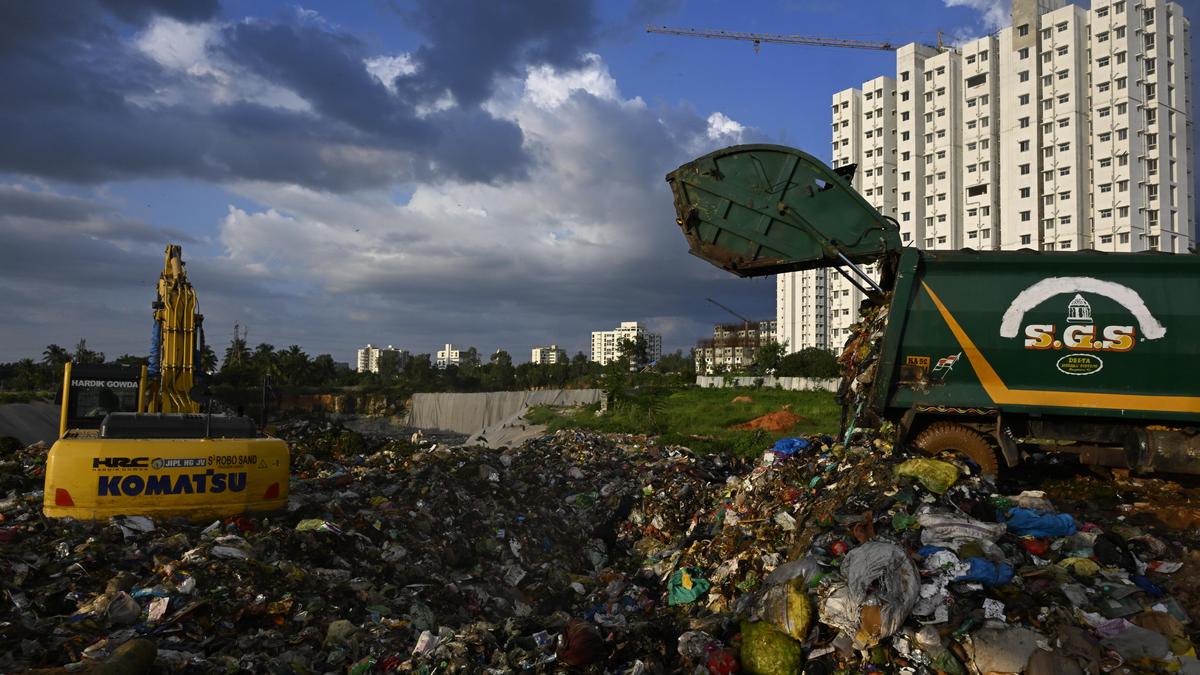
India faces escalating environmental pollution challenges, prompting the urgent adoption of bioremediation technologies to restore contaminated soil and water. This sustainable approach leverages microorganisms to naturally degrade pollutants, offering a cost-effective solution to India’s pressing waste management and ecological restoration needs.
Explore why India urgently needs bioremediation to tackle pollution and restore contaminated soil and water using sustainable microbial technologies.
India is grappling with mounting environmental pollution, driven by rapid industrialization, urbanization, and expanding agriculture. To address the widespread contamination of soil, water, and air, experts emphasize the importance of bioremediation as a sustainable and effective solution. Bioremediation utilizes naturally occurring or engineered microorganisms to break down hazardous pollutants, thus restoring environmental quality without resorting to harmful chemicals or expensive mechanical cleanup methods.
The urgency for bioremediation in India is underscored by the country’s alarming pollution statistics. The Central Pollution Control Board (CPCB) reports that over 70% of India’s water bodies are polluted due to untreated sewage, industrial effluents, and agricultural runoff, while soil contamination from chemical pesticides and heavy metals continues to affect millions of hectares of agricultural land. These environmental challenges pose significant risks to public health, biodiversity, and economic productivity.
Experts argue that conventional remediation techniques often prove insufficient or economically unviable for large-scale environmental cleanups in India. Bioremediation, by contrast, offers a natural process in which microorganisms metabolize pollutants into less harmful substances like carbon dioxide, water, and biomass. This technique is adaptable to a range of contaminants including petroleum hydrocarbons, pesticides, heavy metals, and industrial solvents.
Dr. Anil Kumar, an environmental scientist based in New Delhi, highlights, “Bioremediation presents a promising avenue given its cost-effectiveness and eco-friendly nature. It can be implemented for reclaiming contaminated sites, especially in rural and urban fringe areas where traditional waste management infrastructure is lacking.”
Various bioremediation methods are being explored and deployed in India, such as bioaugmentation – the addition of specific pollutant-degrading bacteria to contaminated sites – and phytoremediation, which uses plants to absorb or degrade pollutants. Pilot projects in states like Maharashtra and Tamil Nadu have demonstrated significant improvements in polluted water bodies and industrial site soils using these techniques.
However, challenges remain in scaling bioremediation across India. Factors such as heterogeneity of pollutants, local climatic conditions, and soil characteristics necessitate tailored approaches. Furthermore, awareness and technical expertise are still limited among stakeholders including industries, local governments, and farmers.
Policy initiatives are increasingly recognizing bioremediation’s potential. The Ministry of Environment, Forest and Climate Change has integrated bioremediation technologies into programs aimed at cleaning rivers and stabilizing soil quality. Collaborative research with academic institutions and private sector participation is also fostering innovation and practical application of these methods.
In conclusion, with environmental pollution threatening India’s ecosystems and public health, bioremediation emerges as a vital technology to rehabilitate contaminated environments. Its natural, cost-effective, and scalable nature aligns with India’s sustainable development goals, highlighting the need for greater investment, research, and awareness to harness its full potential.