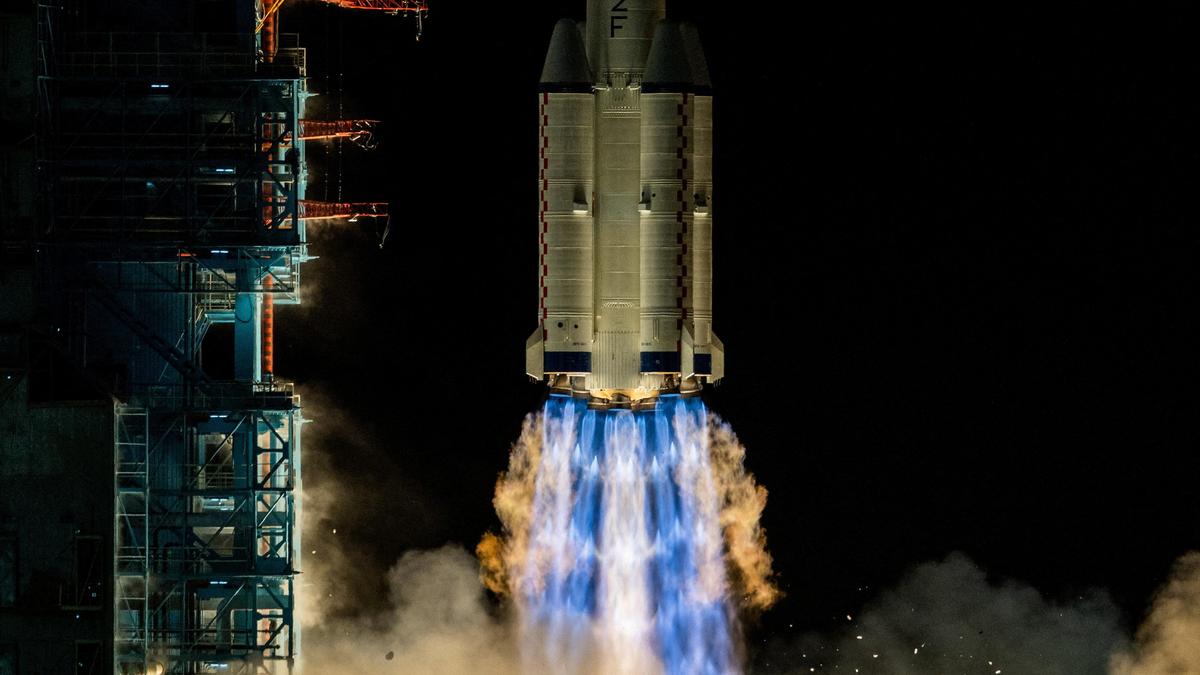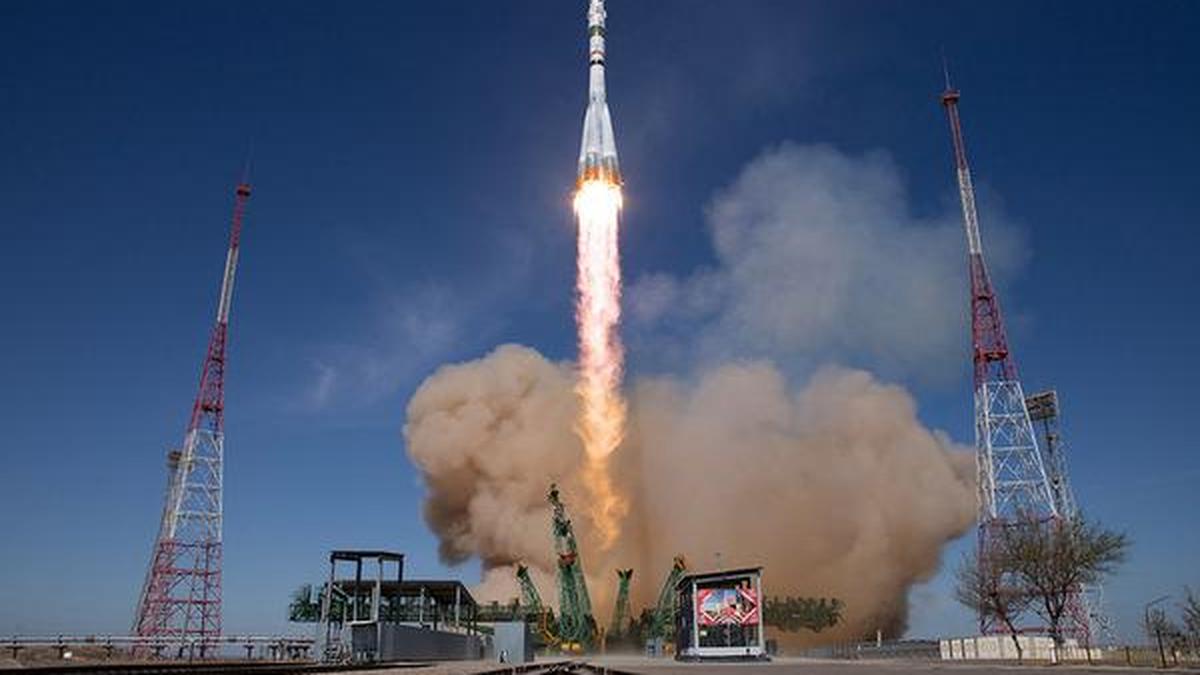
The Baikonur Cosmodrome is one of the world’s oldest and most significant space launch facilities, located in Kazakhstan and operated by Russia. Established during the Soviet era, it continues to serve as a vital hub for human spaceflight and satellite launches.
Discover the Baikonur Cosmodrome, the historic Kazakhstan space launch site operated by Russia, crucial to human spaceflight and satellite missions.
The Baikonur Cosmodrome, situated in Kazakhstan, is a historic space launch complex that has played a pivotal role in the development of human space exploration. Established in the 1950s by the Soviet Union, it remains one of the most important and active launch sites globally, operated today by the Russian space agency, Roscosmos.
Established and Location
The Baikonur Cosmodrome was founded in 1955 with the purpose of supporting the Soviet space program’s ambitious goals during the early years of the space race. Located near the city of Baikonur, which was initially a closed city named Leninsk, the cosmodrome covers a vast area in the Kazakh steppe. Following the dissolution of the Soviet Union in 1991, the facility became part of independent Kazakhstan, though Russia continues to lease the site for its space missions.
Historical Significance
Baikonur is renowned for several historic milestones in space exploration. It was the launch site for Sputnik 1, the world’s first artificial satellite, on October 4, 1957, marking the beginning of the space age. Moreover, it was from Baikonur that Yuri Gagarin embarked on his historic flight on April 12, 1961, becoming the first human to orbit Earth.
Operational Use
Today, Baikonur serves as the primary launch site for crewed missions to the International Space Station (ISS) using the Soyuz spacecraft. Alongside manned flights, the cosmodrome supports the launch of various satellites, scientific missions, and commercial payloads. Despite newer launch facilities being developed in Russia and elsewhere, Baikonur remains operational due to its well-established infrastructure and strategic location.
The facility comprises multiple launch pads, assembly buildings, and tracking stations. Its infrastructure supports a wide range of rocket systems, including the Soyuz, Proton, and the upcoming Angara series. The site also includes launch control centers and training facilities for cosmonauts.
Challenges and Future Prospects
Operating Baikonur involves logistical and geopolitical complexities, stemming from Russian reliance on a launch facility located outside its national borders. Kazakhstan and Russia maintain a lease agreement, with Kazakhstan benefiting economically from the arrangement. However, Russia has been investing in its new Vostochny Cosmodrome to reduce dependence on Baikonur.
Despite these challenges, Baikonur is expected to remain an integral part of space operations for the foreseeable future, especially for Soyuz missions. Its historical legacy and proven reliability continue to make it a cornerstone of human spaceflight.
In conclusion, the Baikonur Cosmodrome stands as a testament to the origins and evolution of space exploration. From pioneering the launch of the first satellite to supporting modern missions to the ISS, its importance transcends decades, reflecting broader technological and geopolitical narratives in space history.