India’s ambitious Samudrayaan deep-sea exploration mission faces delays due to the late arrival of syntactic foam cladding from France. The specialized material is critical for the manned submersible’s buoyancy and structural integrity during deep ocean expeditions.
India’s Samudrayaan deep-sea mission delayed due to late syntactic foam cladding from France, crucial for submersible buoyancy and safety in ocean exploration.
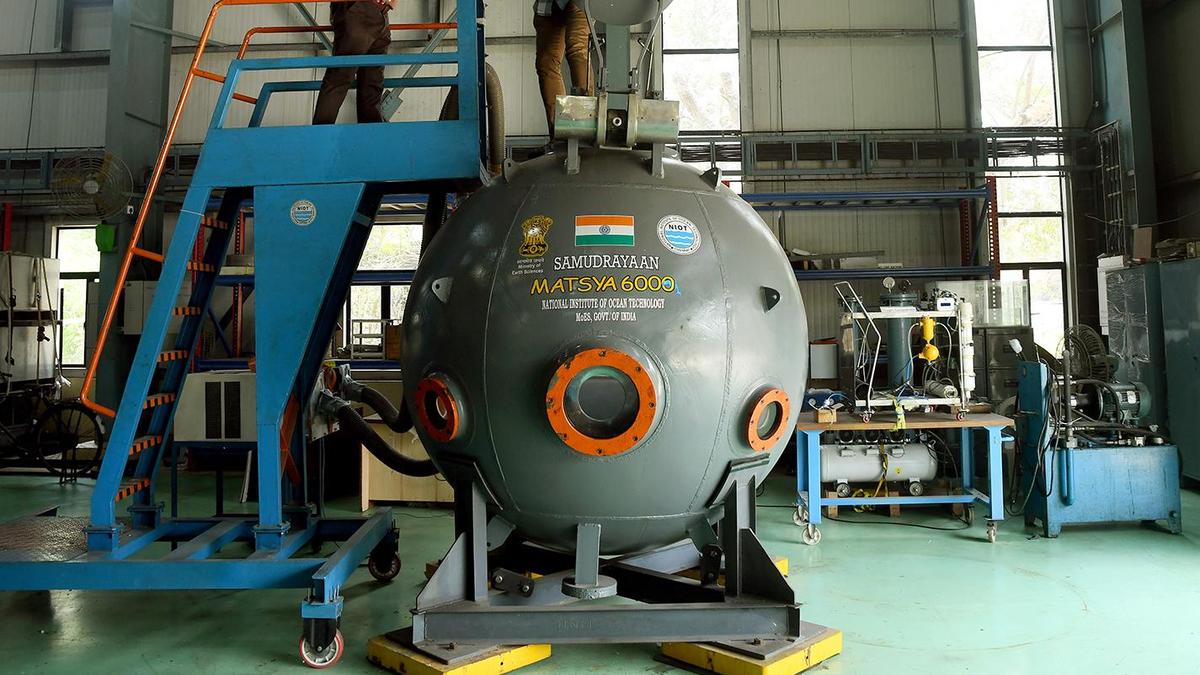
India’s pioneering Samudrayaan mission, aimed at manned deep-sea exploration, has encountered delays owing to the late shipment of syntactic foam from France, officials said on Friday. The foam is an essential component required for cladding the underwater submersible that will be deployed to explore the ocean’s depths. The mission, launched with the goal to advance marine research and resource exploration, relies heavily on this specialized material for its success. The syntactic foam provides the submersible with buoyancy and structural protection needed to withstand extreme underwater pressures. “The syntactic foam shipment has not arrived on schedule, which has impacted our project timeline,” a representative from the National Institute of Ocean Technology (NIOT) stated. NIOT is the lead agency overseeing the development of the vehicle for the Samudrayaan mission. Initially, the foam cladding was expected to arrive from a supplier in France by early November. However, logistical challenges and supply chain disruptions have caused the shipment to be delayed by several weeks. Experts underscore that the syntactic foam is integral to the safe operation of the submersible during deep dives exceeding 6,000 meters. Without this material, the submersible cannot maintain the necessary buoyancy nor ensure crew safety amid the intense underwater environment. The Samudrayaan mission represents India’s first attempt at deploying a manned submersible capable of deep ocean exploration, with objectives that include scientific research, resource mapping, and fostering technological innovation in marine sciences. The National Institute of Ocean Technology had planned for a launch within this fiscal year but now anticipates the timeline will extend by a minimum of one quarter until the material arrives and installations can be completed. While alternate sourcing options are being evaluated, syntactic foam suitable for such depths requires precise qualities that limit the number of qualified suppliers globally. Authorities confirmed that all other components of the submersible, including the pressure hull and life support systems, have progressed on schedule. The mission’s delay highlights the critical dependence on international supply chains for specialized materials in cutting-edge indigenous technology programs. Addressing such vulnerabilities is expected to be a priority in future projects. The Indian government has affirmed its commitment to advancing ocean exploration capabilities and indicated that strategic measures will be adopted to mitigate similar risks going forward. The Samudrayaan project underscores India’s growing ambitions in maritime research and its efforts to establish a foothold in deep-sea technology. As the mission resumes once the syntactic foam arrives, it will mark a significant milestone in expanding the nation’s scientific and exploratory reach into uncharted oceanic frontiers.