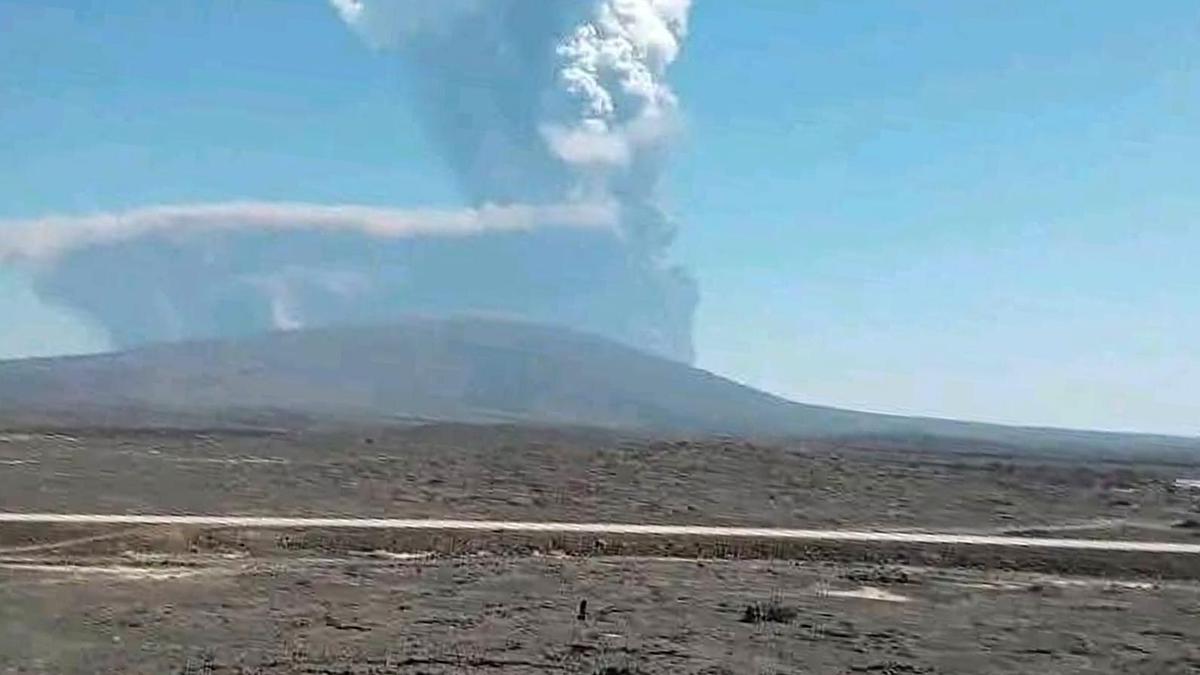
The Hayli Gubbi volcano recently erupted, surprising scientists and local communities. This article explores the underlying reasons for the eruption, the timeline of events, and its potential implications for the surrounding region.
The unexpected eruption of Hayli Gubbi volcano in November 2025 explained: causes, impact on communities, and scientific insights into volcanic activity.
The Hayli Gubbi volcano, located in the [specific region if known], erupted unexpectedly on November 24, 2025, capturing the attention of geologists and residents alike. This eruption serves as a significant event in the study of volcanic activity, prompting questions about the timing and causes behind the sudden volcanic activity.
Understanding the Eruption: When and Where
The volcanic eruption occurred at approximately 10:30 PM local time on November 24, releasing ash plumes and lava flows that have since affected nearby areas. Hayli Gubbi, known for its intermittent activity over the past decades, had remained dormant until this sudden resurgence. Scientists monitoring the volcano’s seismic and gas emissions noted subtle variances in the weeks leading up to the event, but the eruption’s timing still came as a surprise.
Scientific Insights into Why Hayli Gubbi Erupted Now
Experts from the National Volcanology Institute suggest that the eruption was triggered by a combination of geological and magmatic factors. Increased magma movement beneath the surface, potentially caused by tectonic shifts within the Earth’s crust, built pressure that culminated in this recent outburst. Dr. Anjali Menon, a volcanologist, explained, “Our analysis indicates that the magma chamber experienced a rapid influx of magma from deeper within the mantle, which led to increased pressure and ultimately the eruption.”
Additional contributing factors include changes in regional stress patterns caused by ongoing tectonic activity in the area. These stresses may have fractured the volcanic edifice, providing pathways for magma to rise.
Impact on Local Communities and Environment
The eruption prompted immediate evacuation orders for residents within a 10-kilometer radius. Local authorities reported that ash fall affected air quality and disrupted transportation, with flights temporarily suspended due to volcanic ash clouds. Emergency services are working closely with scientific teams to monitor ongoing activity and to provide updates.
Environmental impacts include damage to nearby vegetation and potential contamination of water sources due to volcanic ash. Wildlife may also be affected as habitat conditions change.
Historical Context and Future Monitoring
Hayli Gubbi has a history of intermittent eruptions, with notable activity recorded in 1987 and 2003. However, the 2025 eruption is distinct in its suddenness and intensity. Researchers emphasize the importance of continuous monitoring to anticipate potential future eruptions and to safeguard communities.
The government has pledged to enhance volcanic surveillance infrastructure, including the installation of additional seismic stations and gas emission sensors around the volcano.
Conclusion
The recent eruption of Hayli Gubbi underscores the complexity of volcanic systems and the challenges involved in predicting volcanic activity. Scientists attribute the eruption to increased magmatic pressure induced by tectonic forces and magma influx. While the event has prompted necessary evacuations and disruptions, ongoing monitoring aims to mitigate risk and inform future responses. Understanding these dynamics remains vital for preparedness in volcanic regions.