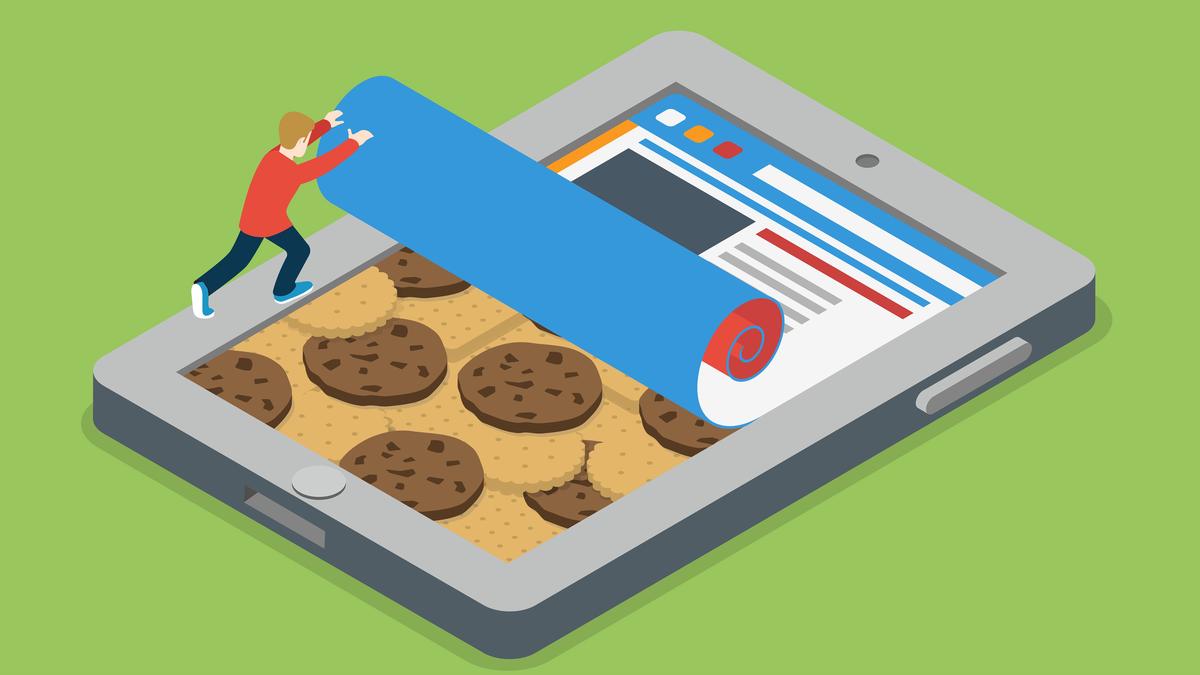
Internet cookies are small data files stored on users’ devices that help websites remember information and enhance user experience. This article explains what cookies are, their functions, types, and the importance of managing them for privacy and security.
Learn what internet cookies are, their types, functions, and how managing them affects your online privacy and browsing experience.
In the digital age, the term ‘cookies’ often arises when browsing websites, yet many users remain unfamiliar with what they actually are and how they function. Internet cookies, fundamentally, are tiny text files stored on a user’s computer or mobile device by a website. These files enable websites to remember key information about the user, enhancing the browsing experience with tailored content and services.
Cookies have become an integral part of how the internet works today. They serve numerous purposes, ranging from tracking user sessions to storing login credentials and personalizing advertisements. The concept, introduced in the mid-1990s, was designed to help websites provide a seamless and more interactive experience by remembering user preferences and activity.
Types of Internet Cookies
Cookies come in several forms, each serving distinct functions. Session cookies, for example, are temporary and deleted once the browser is closed. They are essential for activities such as keeping a user logged in while navigating between pages of a website. Persistent cookies, however, remain on the device for a set period or until manually removed. These are used to remember login details or language preferences across multiple sessions.
Another significant category includes third-party cookies, which are placed by domains other than the one the user is visiting. These are primarily used by advertisers and analytics companies to track browsing behavior across different sites, allowing for targeted advertising and data collection.
Implications for Privacy and Security
While cookies enable a more convenient and personalized online experience, they also raise important privacy considerations. Third-party cookies have come under scrutiny from regulators and privacy advocates due to their role in extensive user tracking without explicit consent. Consequently, many modern browsers have introduced features to block or limit third-party cookies.
Users are encouraged to understand and manage their cookie settings through their web browsers. Most browsers provide options to view, delete, or block cookies, giving users greater control over their data. Legal frameworks such as the General Data Protection Regulation (GDPR) in Europe have also prompted websites to obtain explicit consent before storing or accessing cookies.
Looking Ahead
As internet technologies evolve, so do the approaches to managing cookies and user privacy. Innovations like browser fingerprinting and alternative tracking methods continue to emerge, fostering ongoing debates about the balance between personalization and privacy online.
In summary, cookies are essential tools that contribute significantly to how websites function and tailor their services to users. Understanding what cookies are and how they operate enables internet users to make informed decisions about their online privacy and security.