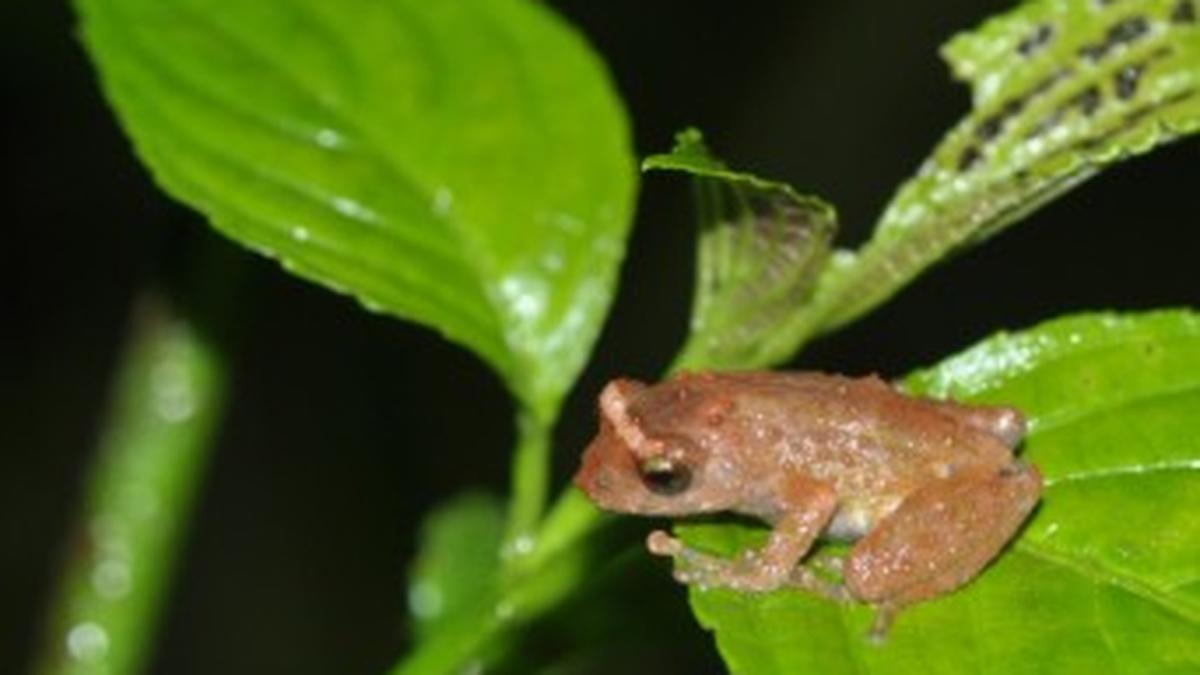
Researchers have documented 13 new amphibian species in Northeast India, highlighting the region’s rich biodiversity. This discovery underscores the ecological significance of the area and the need for continued conservation efforts.
Researchers have discovered 13 new amphibian species in Northeast India, boosting biodiversity knowledge and emphasizing conservation needs.
Scientists conducting extensive field studies in Northeast India have recorded 13 new amphibian species, marking a significant milestone in biodiversity research for the region. The discoveries, confirmed in recent surveys completed in 2025, reflect the diverse and unique ecological habitats present in the area, which is known for its rich variety of flora and fauna. The new species were identified through a combination of traditional taxonomic methods and advanced genetic analysis, enabling researchers to distinguish them from closely related species. According to the research team, these amphibians belong to several genera, representing a wide array of ecological adaptations suited to the northeastern landscape. This find adds crucial data to the global understanding of amphibian diversity and emphasizes Northeast India as a vital hotspot for herpetological studies. The region’s varied climates and habitats, ranging from tropical forests to high-altitude wetlands, provide ideal conditions for an abundance of amphibian life. Conservationists have highlighted that this discovery further stresses the importance of protecting these fragile ecosystems from threats such as habitat destruction, pollution, and climate change. The newly recorded species are likely to play significant roles in their environments, including insect population control and serving as indicators of environmental health. Experts suggest that ongoing surveys and research are imperative for monitoring amphibian populations, many of which are vulnerable or endangered worldwide. The documentation of these 13 species also offers opportunities for further scientific inquiry into their behavior, reproductive biology, and ecology, which could inform targeted conservation strategies. Authorities and local communities are being encouraged to participate in safeguarding these newly documented species through sustainable practices and habitat preservation initiatives. Overall, the study not only enriches the scientific community’s knowledge but also highlights Northeast India’s critical position in global biodiversity conservation efforts.