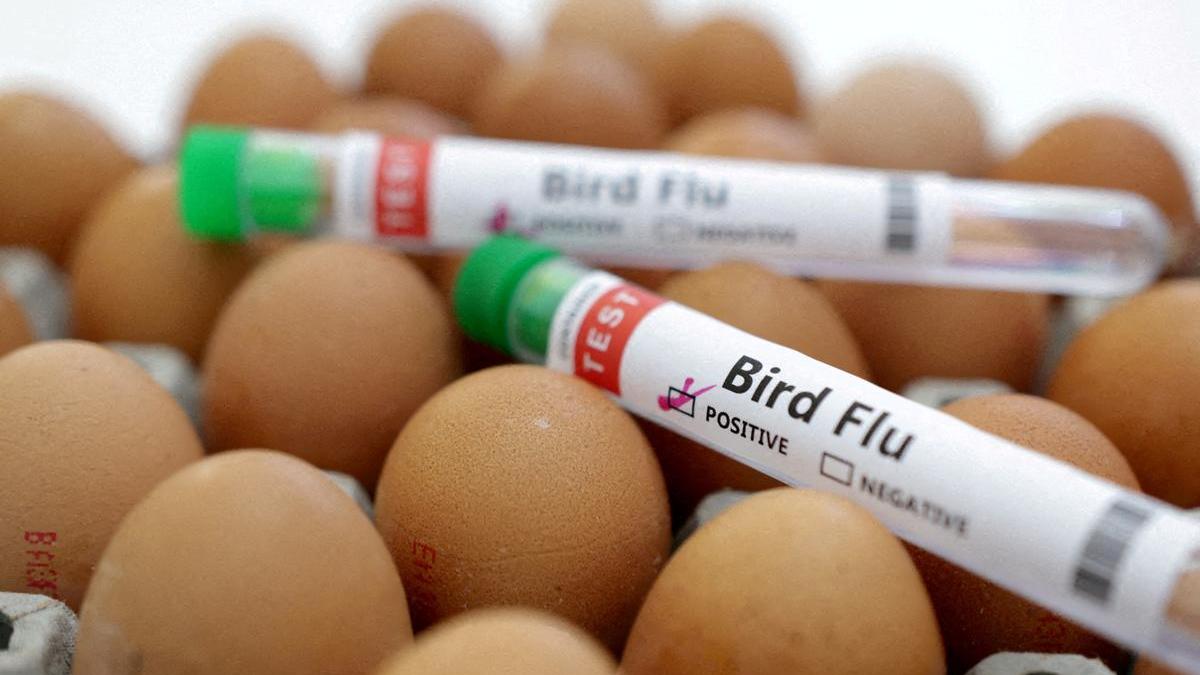
A man in Washington State has become the first person in the United States to die from the rare H5N5 strain of bird flu. Health officials are investigating the case as they monitor for potential spread of the virus among humans.
Washington man first in U.S. to die from rare H5N5 bird flu strain; officials monitoring potential spread and advising precautions.
A man in Washington State has been identified as the first person in the United States to die from the rare H5N5 strain of avian influenza, according to health officials. The victim, whose identity has not been disclosed, succumbed to the illness in late 2025, prompting local and federal agencies to intensify monitoring and response efforts.
The H5N5 bird flu virus is an uncommon subtype of avian influenza that primarily affects birds but has potential to infect humans through close contact with infected poultry or wild birds. While bird flu outbreaks have occurred sporadically in various regions, human cases linked to H5N5 are exceptionally rare. This recent fatality marks a significant development in the epidemiology of the virus within the United States.
Officials from the Washington State Department of Health, in collaboration with the Centers for Disease Control and Prevention (CDC), are conducting a detailed investigation to determine the source of the infection and assess any risk of further human transmission. The individual is believed to have contracted the virus via exposure to infected birds but did not have a recent history of international travel.
Dr. Lisa Morgan, an infectious disease expert at the University of Washington, emphasized the importance of vigilance, stating, “Although H5N5 is uncommon in humans, this fatal case highlights the ongoing need for surveillance and preventive measures, especially among individuals in close contact with poultry or wild birds.”
Public health officials have reassured the community that the risk of widespread human-to-human transmission remains low. Current measures include increased testing of avian populations in the region, enhanced biosecurity protocols for poultry farms, and public advisories on minimizing exposure to potentially infected birds.
Avian influenza viruses such as H5N1 and H5N8 have previously caused concern due to their pandemic potential, but the H5N5 subtype has not been widely documented in human cases. This incident underscores the dynamic nature of influenza viruses and the necessity for constant readiness to contain emergent strains.
The CDC recommends that people avoid contact with sick or dead birds, practice proper hygiene when handling poultry, and report any unusual bird deaths to local authorities. Healthcare providers are also advised to consider avian influenza in patients presenting with flu-like symptoms who have relevant exposure histories.
The Washington State case is currently the sole reported human H5N5 infection in the United States, with no additional cases detected to date. Authorities continue to monitor the situation closely and will provide updates as new information becomes available.
This event serves as a reminder of the potential threat posed by zoonotic diseases—those transmitted from animals to humans—and reinforces the importance of coordinated public health efforts to detect and control infectious diseases at the human-animal interface.