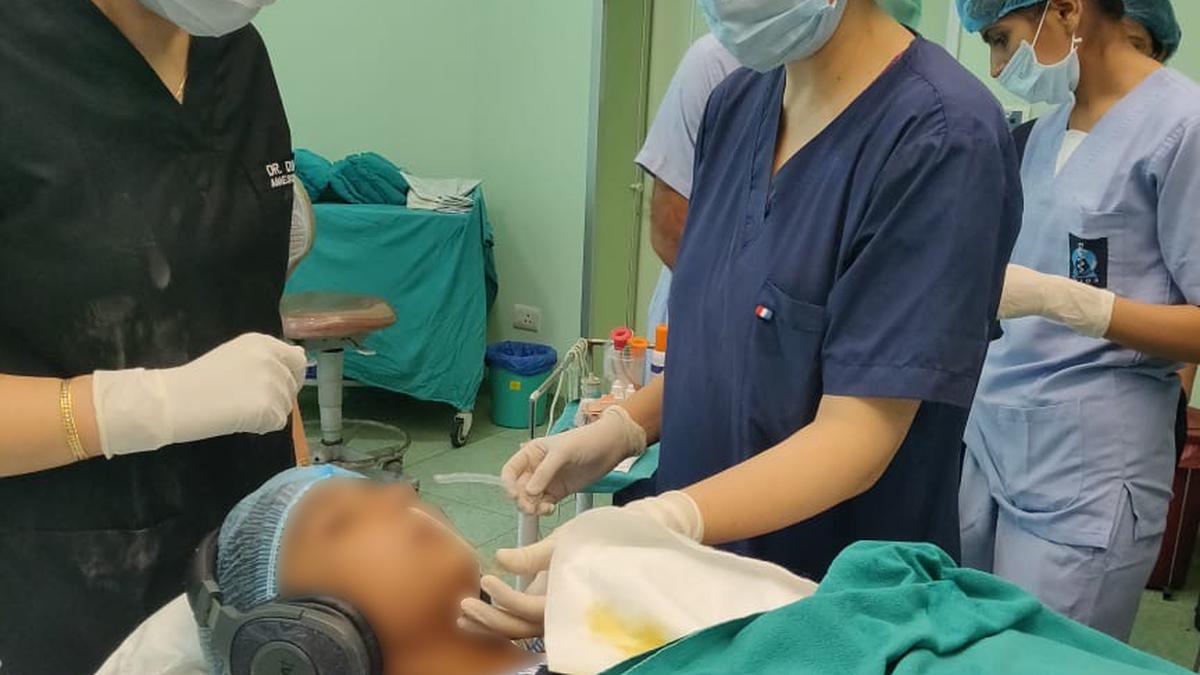
A recent study conducted in Delhi has demonstrated that playing classical Indian ragas in operating theatres can significantly reduce the need for anaesthesia during surgery. This novel approach aims to improve patient outcomes and reduce anaesthesia-related risks.
Delhi study finds playing classical Indian ragas during surgery reduces anaesthesia use and improves patient recovery, offering a novel approach to perioperative care.
A new study conducted in Delhi reveals that incorporating classical Indian ragas in the operating theatre environment can significantly decrease the amount of anaesthetic medication required during surgical procedures. The research, published on November 18, 2025, highlights the potential of music therapy, particularly traditional ragas, to enhance patient comfort and reduce pharmacological intervention.
Researchers at a prominent Delhi medical institution undertook a controlled trial involving surgical patients. They introduced recordings of specific ragas during operations and monitored the levels of anaesthesia administered, patient vital signs, and recovery outcomes. The findings indicated a noticeable reduction in anaesthesia dosage among patients exposed to ragas compared to those who underwent surgery under standard conditions without music.
Understanding the Role of Ragas in Medicine
Ragas, a classical form of Indian music consisting of melodic frameworks meant to evoke particular moods, have long been associated with emotional and psychological effects. This study leveraged these qualities to examine their influence on physiological responses during surgery. Lead researcher Dr. Anil Mehta explained, “The calming and harmonizing effects of ragas can potentially reduce the physiological stress response during operations, thereby lowering the amount of anaesthesia needed.”
Methodology and Patient Impact
The trial included patients scheduled for various types of surgeries, including general and orthopedic procedures. The medical team played selected ragas known for their soothing properties through speakers in the operation theatre. Continuous monitoring captured data on heart rate, blood pressure, and pain response.
Results showed that patients in the ragas group required up to 15% less anaesthetic drugs, exhibited more stable vital signs, and experienced quicker postoperative recovery. These outcomes suggest that auditory stimulation from ragas may modulate the body’s stress pathways and improve surgical conditions.
Implications for Surgical Practice
This pioneering research adds to the growing evidence supporting non-pharmacological interventions in medical settings. The use of ragas as a complementary approach could enhance patient care by minimizing drug-related side effects and promoting natural relaxation. Dr. Mehta noted, “Integrating music therapy with traditional surgical protocols offers a cost-effective and culturally relevant strategy to optimize anaesthesia usage.”
While further studies are needed to confirm these results across larger and more diverse patient populations, the findings encourage hospitals to consider ambient music as part of perioperative management.
Conclusion
The Delhi-based study underscores the potential benefits of classical Indian ragas in reducing anaesthesia requirements during surgery. By leveraging the therapeutic properties of music, healthcare providers may improve patient outcomes and foster holistic treatment approaches in operative care.