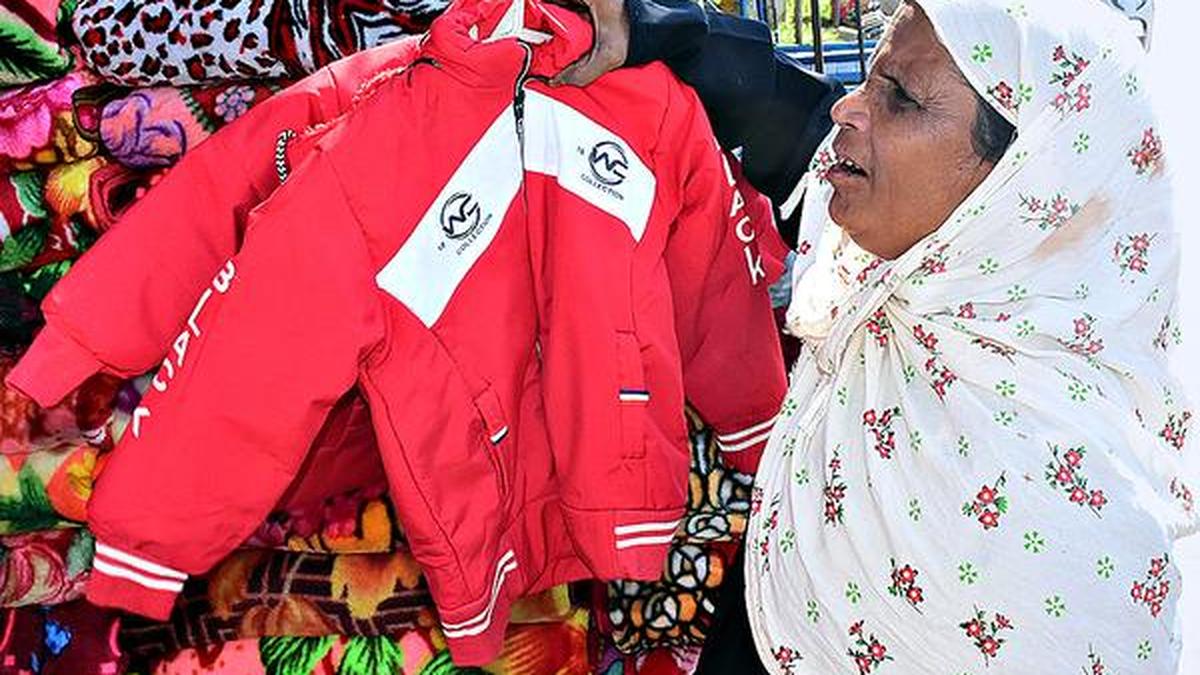
Parts of Telangana are experiencing an unusual cold wave due to a combination of meteorological factors including western disturbances and altered wind patterns. This phenomenon has led to a notable drop in temperatures, impacting daily life in the region during mid-November.
Understand the causes behind the recent cold wave in Telangana, driven by western disturbances and regional weather patterns causing unseasonal low temperatures.
Telangana is currently witnessing a cold wave across several districts, prompting residents and weather experts to seek explanations for this unseasonal drop in temperatures. Since early November 2025, parts of the state have recorded temperatures significantly lower than the average for this period, causing discomfort and concern among the population. Meteorologists attribute this phenomenon to the influence of western disturbances combined with specific regional weather dynamics.
Western Disturbances and Their Impact
Western disturbances are low-pressure systems that originate in the Mediterranean region and move eastwards, often bringing cooler temperatures and precipitation to northern India. Although typically associated with winter months, an early and intensified western disturbance this season is believed to have contributed to the below-normal temperatures in Telangana. The interaction of these weather systems with local atmospheric conditions is creating a sustained cold spell in the region.
Role of Regional Climatic Factors
The cold wave is further exacerbated by reduced solar insolation during early winter and altered wind patterns bringing colder air masses from the north. Additionally, clear skies at night have been leading to rapid heat loss from the surface, resulting in colder mornings and nights. These factors combined have led to temperatures dropping by several degrees Celsius compared to the historical averages for mid-November.
Effects on Daily Life and Agriculture
The sudden cold wave has affected daily routines, with households adjusting heating measures and altering clothing choices. Farmers have expressed concerns about the possible effects on Kharif crop residue decomposition and the upcoming Rabi sowing season. While no significant cold-related damages have been reported yet, ongoing monitoring is crucial to mitigate potential agricultural impacts.
Official Advisories and Public Response
The Telangana Meteorological Department has issued warnings and advisories to residents to stay warm and take necessary precautions, especially for vulnerable populations such as the elderly and children. Local authorities are also coordinating to ensure adequate preparedness in public health facilities and community centers.
Outlook and Future Weather Predictions
Meteorologists expect the cold wave to persist for several more days as the western disturbances continue to influence the region. Gradual warming is predicted by the end of November as the disturbances weaken and normal seasonal weather patterns re-establish. Continuous satellite monitoring and weather modeling remain essential to provide timely updates to the public.
In summary, the current cold wave in parts of Telangana results from an early western disturbance combined with regional climatic factors leading to lower-than-average temperatures. Authorities continue to monitor the situation closely and advise residents to remain cautious during this unusual weather event.