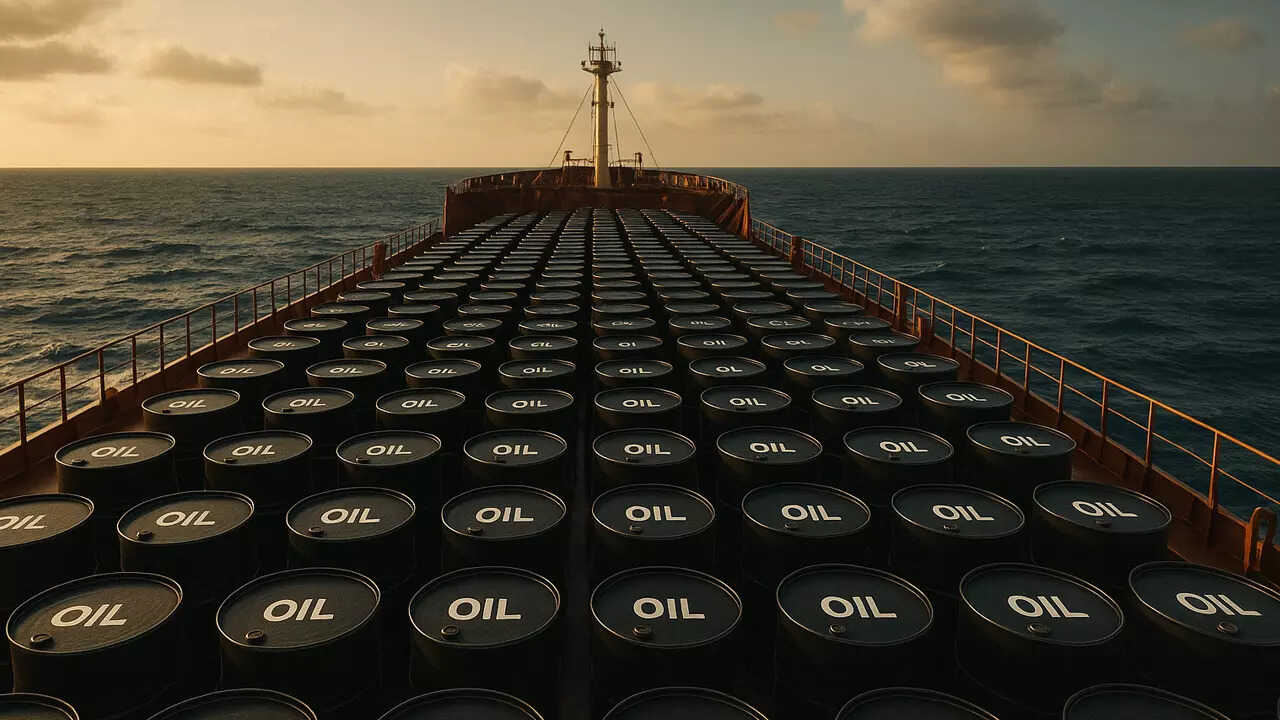
India’s crude oil imports from Russia are projected to fall to their lowest level in four years due to the ongoing impact of Trump-era sanctions. Market analysts examine how sustained these declines might be as India navigates geopolitical pressures and energy security concerns.
India’s crude oil imports from Russia hit a four-year low amid Trump-era sanctions; analysts explore the implications and future outlook for India’s energy security.
India’s crude oil imports from Russia are set to reach a four-year low, driven by the ripple effects of sanctions introduced during former U.S. President Donald Trump’s administration. The decline, observed in late 2025, reflects the complex interplay of geopolitical factors, international pressure, and India’s strategic energy procurement decisions.
Analysts report that India, traditionally a significant buyer of Russian crude oil, has seen shipments fall markedly this year. This drop is attributed largely to sanctions that restrict financial transactions and shipping related to Russian energy exports, complicating India’s procurement process. While India has diversified its sources for crude oil, Russia has remained a key supplier offering competitive pricing and favorable trade terms.
According to customs data and industry reports, imports from Russia are approaching levels not seen since 2021. This decrease coincides with heightened enforcement of sanctions regimes and increased scrutiny by global financial institutions. The sanctions, initially formulated under the Trump administration and extended by subsequent U.S. governments, effectively deter many international players from engaging with Russian energy markets, indirectly impacting India’s import patterns.
India’s energy ministry has acknowledged the challenges posed by these sanctions but emphasizes maintaining energy security and supply diversification. ‘‘Our priority remains securing affordable and consistent crude oil supplies,’’ a ministry official stated. ‘‘We continue to evaluate options in the global markets to balance geopolitical implications with our energy needs.’’
Market observers note that India’s reduction in Russian imports has been partially offset by increased purchases from the Middle East, the United States, and Africa. However, the competitive pricing and distinct qualities of Russian crude have made it a preferred source for many Indian refiners.
Experts caution that the duration of this downward trend remains uncertain. “The future trajectory of India’s Russian crude imports will largely depend on geopolitical developments, the evolution of sanctions, and India’s own strategic decisions,” said Anil Sharma, an energy analyst at Mumbai-based consultancy Energy Insights. “Should sanctions ease or alternative payment mechanisms emerge, imports could rebound.”
Despite the current downturn, India continues to engage diplomatically with Russia and other energy suppliers to secure long-term contracts. The government’s balancing act involves navigating international sanctions regimes while meeting growing domestic energy demands, projected to increase with India’s continued economic growth.
In summary, India’s crude oil imports from Russia are experiencing a notable decline, influenced by Trump-era sanctions and ongoing geopolitical complexities. While alternative sources have mitigated supply disruptions, the sustainability of this trend depends on multiple factors, including international diplomatic developments and policy shifts on energy procurement strategies.