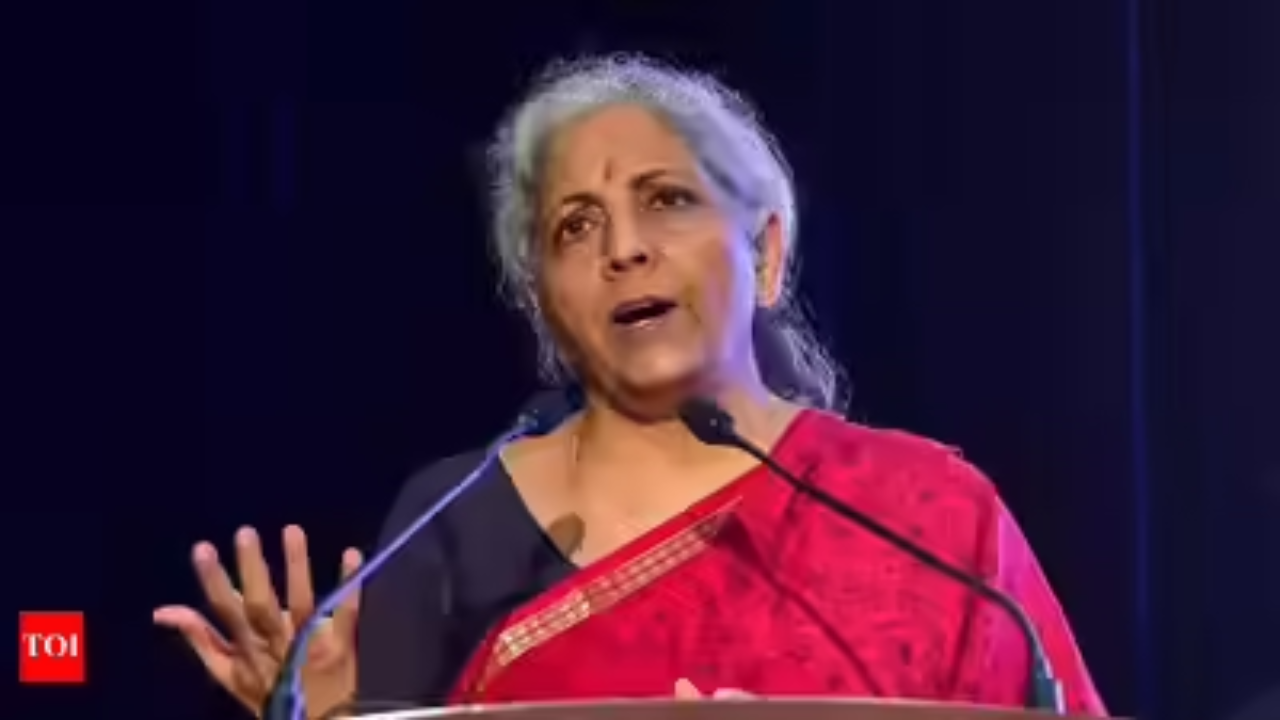
Finance Minister Nirmala Sitharaman has indicated upcoming reforms in customs duties aimed at simplification and rationalisation in the forthcoming Union Budget. These measures are intended to enhance ease of doing business and promote economic growth through streamlined customs processes.
Finance Minister Nirmala Sitharaman announces customs duty simplification and rationalisation plans in the upcoming Union Budget to boost trade and economic growth.
New Delhi – Finance Minister Nirmala Sitharaman has flagged significant changes on the horizon regarding customs duties ahead of the Union Budget presentation, scheduled for early 2026. In a statement delivered during a press briefing on December 6, 2025, the minister highlighted the government’s focus on simplifying customs procedures and rationalising duty structures as part of the broader reforms to facilitate trade and stimulate economic activity.
Addressing the media, Sitharaman described the impending changes as the “next big clean-up” in customs administration. She emphasized that these reforms aim to eliminate complexity in the customs framework, reduce compliance burdens on importers and exporters, and align duties with the current economic and industrial priorities.
“Our goal is to streamline customs processes to ensure faster clearance and transparency, thereby improving ease of doing business and encouraging investment,” the Finance Minister stated. While she did not provide explicit details on specific duty adjustments, Sitharaman hinted at rationalisation measures that could involve both tariff reductions and calibrations to protect domestic industries where necessary.
Customs duties have long been a critical tool in India’s trade and industrial policy, balancing protection for nascent industries with the need for competitive imports. However, businesses have pointed to the complexity and multiplicity of tariffs as barriers to efficient trade. Industry experts welcome the government’s intent to simplify these structures, noting that it could lower transaction costs and encourage greater participation in global value chains.
Economic analysts anticipate that the budget may include a review of existing customs rates, elimination of obsolete tariff lines, and enhanced automation in customs clearance. Such measures are expected to complement other ongoing reforms in indirect taxation and trade facilitation.
The Ministry of Finance has been progressively working on customs modernization, including the adoption of technology-driven solutions to expedite cargo movement and compliance monitoring. The proposed duty rationalisation is seen as a further step towards aligning India’s trade policies with international best practices.
Market participants are closely watching for the budget announcements, as any reduction or rationalisation in customs duties could impact sectors ranging from electronics and automotive to pharmaceuticals and consumer goods. Trade associations have expressed optimism that the government’s moves will enhance competitiveness while safeguarding domestic production incentives.
In conclusion, Finance Minister Nirmala Sitharaman has signaled upcoming reforms focusing on customs duty simplification and rationalisation in the next Union Budget. These initiatives aim to foster a more efficient trade environment, promote industrial growth, and align India’s tariffs with contemporary economic needs, marking a significant step in the government’s broader economic reform agenda.