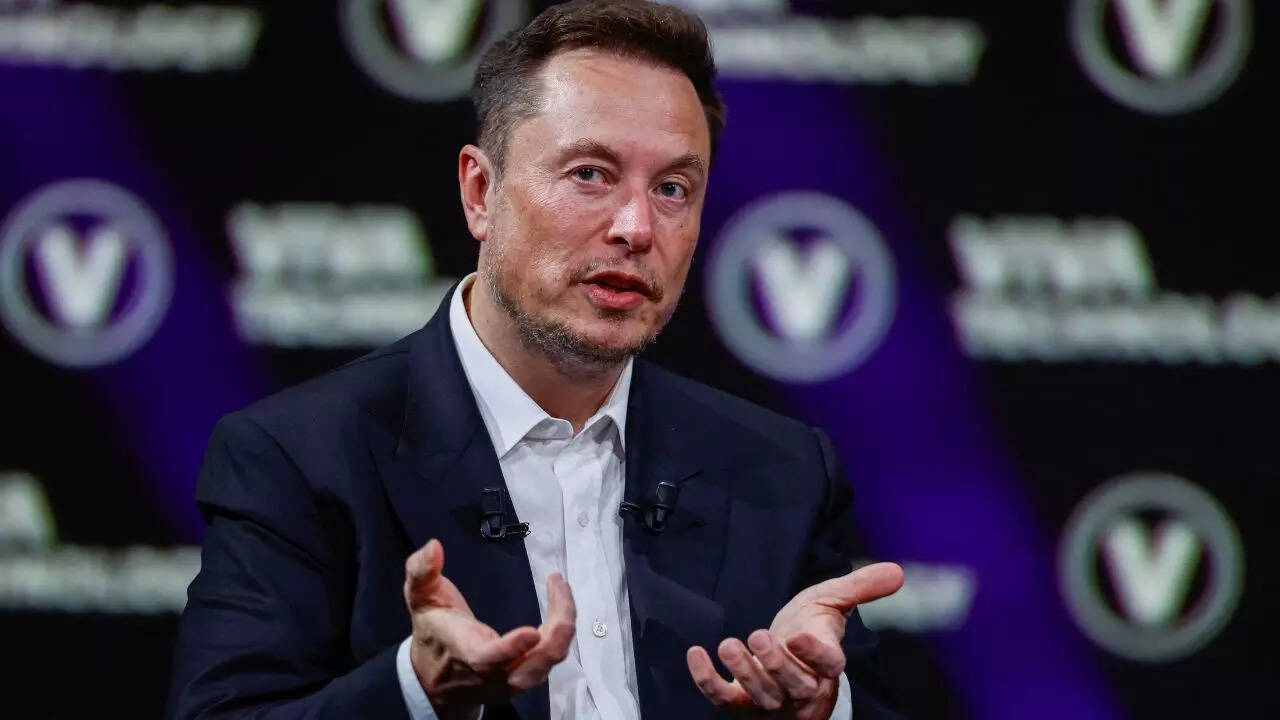
The European Union has fined Twitter’s parent company X $140 million for failing to promptly remove illegal content on its platform. Elon Musk described the penalty as ‘insane’ while emphasizing the challenges of content moderation on social media.
Elon Musk reacts to the EU’s $140 million fine on X for failing to remove illegal content promptly, highlighting challenges in content moderation under Digital Services Act.
The European Union imposed a $140 million fine on X, the social media platform formerly known as Twitter, marking one of the largest penalties for content moderation breaches in the EU’s digital regulatory history. The fine was announced on December 6, 2025, following a lengthy investigation into X’s compliance with the EU’s Digital Services Act, which mandates swift removal of illegal content.
The EU’s regulatory authorities found that X repeatedly failed to act promptly against hateful and illegal posts, despite receiving numerous complaints from users and civil society organizations. The investigation revealed that X was significantly delayed in handling flagged content, allowing harmful material to remain accessible on the platform longer than permitted under EU law.
In response, Elon Musk, owner and CEO of X, labeled the fine as “insane” during a public statement, expressing frustration over the regulatory expectations and enforcement process. Musk highlighted the complexity of moderating billions of posts daily and questioned the feasibility of immediate content removal while maintaining freedom of expression.
“We are committed to complying with all applicable laws, but the scale and speed required by the EU’s regulations present practical challenges,” Musk said. “AI and human moderation combined can only go so far, and blanket removal risks suppressing legitimate speech.”
The EU’s Digital Services Act, enforced since early 2024, aims to hold social media platforms accountable for the content they host, requiring them to take swift action against illegal content including hate speech, misinformation, and extremist material. The legislation represents a significant shift in digital governance, emphasizing user safety and platform responsibility.
X’s failure to meet these standards has triggered the record fine, highlighting increased regulatory scrutiny on global social media platforms operating within the EU market. The regulators noted that despite prior warnings and guidance, X’s content moderation systems lagged behind the required compliance measures.
Industry analysts suggest that Musk’s vocal criticism of the fine reflects ongoing tensions between tech companies and regulators over digital content oversight. Experts emphasize the importance of balancing rapid removal of unlawful content while protecting free speech rights.
X has stated its intention to appeal the fine and work collaboratively with EU authorities to improve its content moderation processes. The platform is reportedly investing in upgraded technology, including advanced AI tools and expanded moderation teams, aiming to accelerate the identification and removal of illegal posts.
As regulatory frameworks tighten globally, X’s case exemplifies the challenges faced by social media providers in navigating complex legal environments and public expectations. The outcome of this dispute may influence future enforcement actions and corporate strategies in digital content management.
In summary, the European Union’s $140 million penalty against X underscores the seriousness of regulatory efforts to enforce compliance with digital safety laws. Elon Musk’s reaction highlights the continuing debate on the balance between technological capability, regulatory demands, and free speech on social media platforms.