The Reserve Bank of India (RBI) cut the repo rate, leading to a significant reduction in home loan interest rates across the country. This move aims to stimulate economic growth by lowering borrowing costs and making housing finance more affordable for consumers.
RBI cuts repo rate to 5.75%, triggering historic low home loan interest rates and making housing finance more affordable across India.
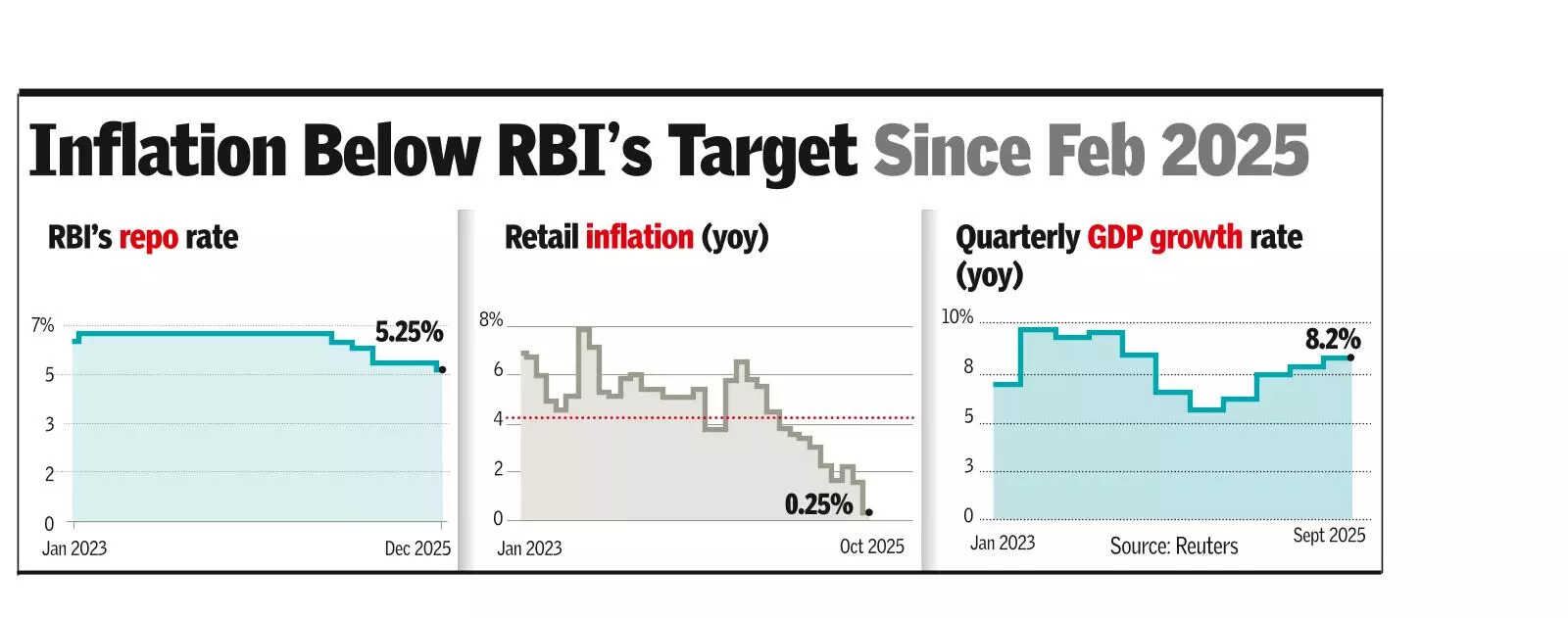
In a major monetary policy decision on December 6, 2025, the Reserve Bank of India (RBI) announced a cut in the repo rate, setting the stage for home loan interest rates to decline to unprecedented levels. This decision, aimed at boosting economic activity amid evolving financial conditions, is expected to make housing loans more affordable for Indian consumers nationwide.
The RBI lowered the repo rate by 25 basis points, bringing it down to 5.75% from the earlier 6.00%. The repo rate is the rate at which the central bank lends money to commercial banks, and reductions in this rate typically translate to lower borrowing costs for customers, especially for long-term loans such as home financing.
Economists and market analysts have welcomed the move as a proactive step to enhance liquidity in the banking system and encourage credit flow across key sectors, including real estate. “The repo rate cut comes at a crucial time when the economy needs a stimulus to sustain growth momentum,” said Dr. Rajesh Sharma, Chief Economist at Financial Insights India. “Lower interest rates on home loans will bolster demand in the housing market, supporting both consumers and builders.”
Banks are expected to pass on the reduced cost of funds to customers promptly. Several leading financial institutions have already announced intentions to lower their base rates and marginal cost of funds-based lending rates (MCLR), which directly affect home loan interest rates. Industry experts predict home loan rates could fall below the previous record lows, potentially reaching levels around 6.5% or less, depending on each lender’s internal pricing strategies.
The move to reduce the repo rate follows cautious optimism about the Indian economy’s recovery trajectory post the global financial headwinds. Inflation remains within the RBI’s target range, providing room for the central bank to ease monetary policy without jeopardizing price stability. Additionally, the government’s commitment to stimulating infrastructure and affordable housing projects complements the RBI’s efforts to maintain steady growth.
Homebuyers and prospective borrowers stand to benefit significantly from this rate cut, with estimates showing a decrease in monthly EMIs that could enhance affordability. For example, a ₹50 lakh home loan tenure of 20 years may see savings of several thousand rupees monthly compared to previous rates.
Real estate developers have also reacted positively, anticipating greater demand for residential properties amid improved financing conditions. “The rate cut is a welcome development that will likely revive the housing market, encouraging more purchases and investments,” noted Arun Mehta, spokesperson for the National Real Estate Developers Association.
However, some cautious voices highlight that banks’ willingness and speed in transmitting rate cuts to consumers will be crucial for the measure’s success. Historical trends indicate that the full benefit of repo rate cuts often takes time to reflect in lending rates due to various factors such as liquidity conditions, credit risk perceptions, and operational costs.
In conclusion, the RBI’s decision to cut the repo rate signifies a strategic monetary policy adjustment intended to support economic growth by reducing borrowing costs. The anticipated decline in home loan interest rates to record lows is expected to aid homebuyers and stimulate the real estate sector, reflecting a positive shift in India’s financial landscape.