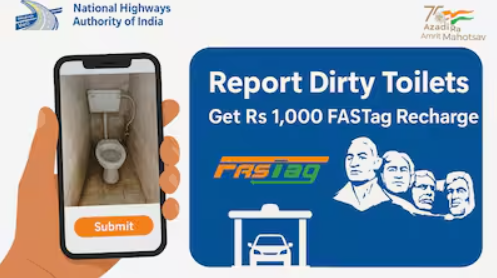
The National Highways Authority of India (NHAI) has introduced a new Rs 1000 charge added to FASTag accounts for users reporting unclean toilets on national highways. This initiative aims to improve hygiene standards but has sparked debate among commuters regarding the added cost and reporting mechanism.
NHAI introduces Rs 1000 FASTag charge for reporting dirty toilets on national highways, aiming to enhance sanitation standards and responsible complaints.
The National Highways Authority of India (NHAI) has implemented a new policy whereby a fee of Rs 1000 will be added to motorists’ FASTag accounts when they report dirty or unhygienic toilet facilities at national highway rest stops. Announced on October 14, 2025, this move is designed to encourage responsible reporting and address ongoing concerns regarding the maintenance of sanitary facilities along India’s extensive national highway network.
Under the new system, commuters who encounter substandard or unclean toilets at highway amenities can report the issue via their FASTag-linked mobile application or NHAI’s official portal. However, the act of filing a complaint will incur an additional Rs 1000 charge debited directly from the FASTag balance. The NHAI clarified that this fee is intended to curb misuse of the reporting option and ensure that grievances are submitted judiciously.
This policy update arises amid growing public dissatisfaction about the condition of sanitation infrastructure on major highways, which affects the comfort and health of millions of travelers daily. According to NHAI officials, despite regular maintenance contracts, some facilities remain inadequately serviced due to various operational challenges.
“We are committed to improving the quality of highway amenities, including toilets. The Rs 1000 charge for reporting unclean toilets is a measure to promote genuine use of the complaint system and incentivize service providers to maintain higher hygiene standards,” said a senior NHAI spokesperson. The authority continues to monitor reports and promises prompt action upon valid complaints to ensure better upkeep.
The introduction of this charge has drawn mixed reactions from the public. Some commuters appreciate the effort to maintain cleanliness but express concerns over the additional financial burden. “While clean toilets are essential, paying extra to report issues seems unfair. There should be a better way to address this without penalizing users,” commented Rakesh Sharma, a frequent highway traveler.
Experts point out that sanitation on highways is critical to public health and overall travel experience. The World Health Organization emphasizes access to clean facilities as a vital component of infrastructure quality. The NHAI’s new approach could potentially accelerate improvements by holding service providers accountable through consumer feedback backed by a fee.
In recent years, the NHAI has undertaken several initiatives to modernize highway amenities, such as upgrading rest areas and incorporating technology for better services. The FASTag-based reporting system integrates digital payments and grievance registration to streamline communication between travelers and authorities.
Commuters are advised to check their FASTag accounts regularly to monitor any deductions and utilize the complaint system responsibly. The NHAI encourages users to submit only verified issues to help improve maintenance without incurring unnecessary charges.
This move reflects India’s increasing focus on infrastructure quality and the use of digital tools to enhance citizen participation in service monitoring. Whether the Rs 1000 reporting fee will effectively improve toilet cleanliness remains to be seen, but the NHAI maintains its commitment to providing safer and more hygienic facilities on national highways.
In summary, the NHAI’s recent decision to add Rs 1000 to FASTag accounts of users reporting dirty toilets marks a significant step in addressing sanitation concerns on highways. By combining technology with regulation, the authority aims to foster accountability and better hospitality standards for millions of travelers across the country.